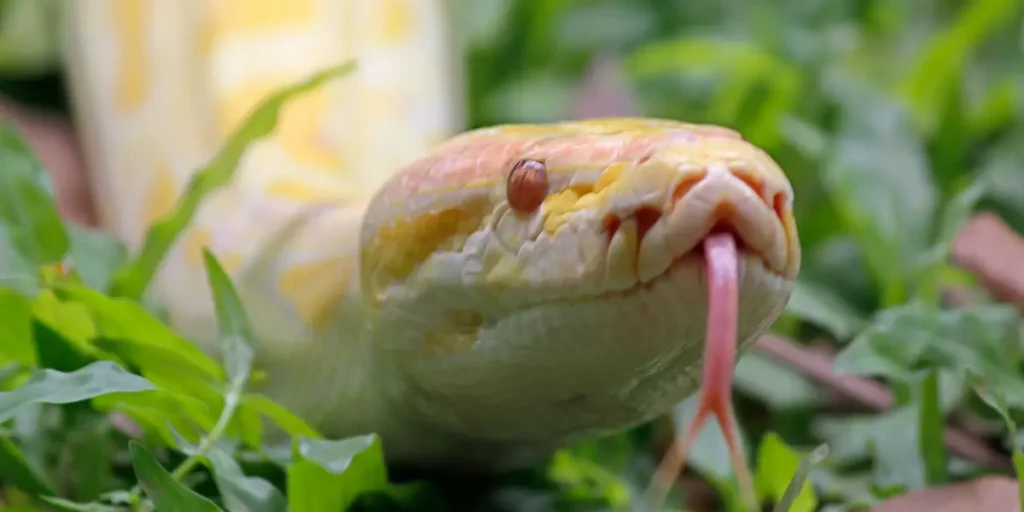

Feeding a snake can be one of the most satisfying parts of reptile ownership, but it can also become frustrating when the animal suddenly refuses to eat. I’ve experienced this before, watching my snake ignore a meal it once eagerly accepted. At first, I worried that something serious was wrong, but over time I learned that snakes often go through phases of fasting for various reasons. Some causes are natural, while others require immediate attention. The key is to identify the reason and respond calmly, rather than panicking or forcing the snake to eat.
Natural Reasons for a Snake Refusing Food
Snakes don’t always eat regularly like mammals do. Their metabolism is much slower, so it’s not unusual for them to skip meals occasionally. During cooler seasons, many snakes naturally reduce or stop eating altogether, entering a semi-dormant phase similar to hibernation known as brumation. In captivity, even if the temperature remains stable, some snakes retain this seasonal instinct.
Mature snakes, especially males, might refuse food during breeding season as their focus shifts to finding a mate. This is completely natural and doesn’t usually indicate illness. As long as the snake maintains weight and remains alert, I typically allow it to fast without worry, monitoring its condition until appetite returns.
Environmental Conditions Affect Appetite
Temperature plays one of the biggest roles in feeding response. If the enclosure is too cold, the snake cannot properly digest food. Reptiles are ectothermic, meaning they rely on external heat sources to regulate body temperature. If the heat gradient in the tank is off , too cool on the warm side or inconsistent , the snake may instinctively refuse to eat because it knows digestion would be unsafe.
I use a thermostat to ensure the basking area stays within the recommended temperature range for the species. For example, ball pythons prefer a warm side of around 88–92°F and a cooler side near 78°F. I always check that heat mats, ceramic emitters, or lamps are functioning properly and that temperature readings are accurate. Poor heat not only affects appetite but can also lead to digestive issues like regurgitation.
Lighting can also influence feeding. Snakes exposed to inconsistent light cycles may become stressed or confused. I maintain a regular day-night rhythm, simulating 12 hours of light and 12 hours of darkness. Stability is key; sudden environmental shifts can throw off their natural behavior.
Stress and Its Effect on Feeding
Stress is one of the most common reasons a snake refuses food. Even small changes can cause stress, such as a new enclosure, relocation, or too much handling. Snakes thrive on routine, and they dislike disturbances in their habitat.
I noticed my own snake stopped eating after I rearranged the enclosure decor. Moving hides, branches, or water bowls may seem harmless, but it can make a snake feel insecure. It’s crucial to provide hiding spots on both the warm and cool sides of the tank so the snake feels protected. Snakes that feel exposed or threatened often refuse to feed until they feel secure again.
Handling right before or after offering food can also cause refusal. I avoid touching the snake for at least 24 hours before feeding and several hours after it eats. Excessive handling can make the snake defensive or nervous, leading it to ignore or even strike at prey without consuming it.
Shedding Periods and Appetite Changes
During shedding, snakes often refuse food altogether. The shedding process, called ecdysis, can make them feel vulnerable and irritated. Their eyesight becomes cloudy or blue as a layer of skin loosens, and they may feel disoriented. I avoid feeding during this time because snakes rarely eat before or during a shed.
I look for signs of an upcoming shed , dull skin, blue eyes, and hiding more often. Once the snake has fully shed, its appetite usually returns within a few days. Offering food too soon can stress it further or result in refusal.
Illness and Parasites
A healthy snake will usually have clear eyes, smooth skin, and steady movement. If it refuses food repeatedly, it might be a sign of illness or internal parasites. Respiratory infections, mouth rot, or digestive problems can all affect appetite. I watch for symptoms such as wheezing, mucus around the mouth or nostrils, swelling, or unusual behavior like lethargy.
If I suspect illness, I don’t try to force-feed or guess the cause. Reptile veterinarians can examine fecal samples for parasites and check for infections. Treating underlying health issues usually restores normal feeding patterns. Ignoring these signs can lead to more severe conditions that make recovery harder.
Improper Prey Type or Size
Sometimes a snake refuses food simply because the prey isn’t right. Different species have different preferences. Some snakes prefer live prey, while others only take frozen-thawed. I’ve noticed that snakes often develop habits based on what they were raised eating. If a captive-bred snake was started on frozen-thawed mice, it might refuse live prey or vice versa.
I ensure that the prey size matches the girth of the snake at its widest point. Offering prey that’s too large can intimidate or harm the snake, while prey that’s too small may not stimulate a feeding response. Warming frozen prey to about body temperature and moving it slightly with tongs mimics live movement, often triggering the snake’s hunting instinct.
The scent of prey also matters. Some snakes won’t eat if the prey smells off. I never reheat or refreeze rodents multiple times, as this can change their scent and cause refusal. Freshly thawed prey always yields the best results.
Scent and Feeding Tricks
If a snake still refuses food, I try a few scenting techniques. Some snakes are more responsive to certain scents that remind them of natural prey. For instance, rubbing a thawed mouse with a small piece of chicken or lizard can make it more appealing. I’ve also seen success using different prey species, such as switching from mice to rats or even quail for variety.
Another trick is feeding at night. Many snake species are nocturnal and prefer to hunt under dim light or complete darkness. Offering food in the evening often increases feeding response. I minimize movement around the tank during this time so the snake feels safe enough to strike.
Seasonal Changes and Feeding Patterns
Even in captivity, snakes often follow seasonal feeding patterns influenced by daylight hours and room temperature. During winter, appetite typically drops. Some snakes enter a brumation-like phase even in consistently warm environments. I don’t panic if my snake skips a few meals during this period, especially if it remains healthy and active.
However, I track each feeding attempt in a notebook to monitor patterns. If the snake continues to refuse food for several weeks or starts losing weight, that’s a sign to intervene or seek veterinary advice. Stable body condition often indicates that fasting is natural rather than medical.
Newly Acquired Snakes and Feeding
New snakes often refuse food during their first weeks in a new home. They need time to adjust to the environment, scents, and sounds. I give new arrivals a quiet space and limit handling until they eat regularly. Feeding too soon after arrival or offering food in a stressful environment usually leads to rejection.
I also ensure that the enclosure setup matches the species’ natural habitat as closely as possible. This includes temperature, humidity, and hiding places. Once the snake feels secure, it usually resumes feeding without issue.
Breeding Behavior
Adult snakes often change their feeding habits during breeding season. Males, in particular, may fast for several weeks while searching for a mate. This behavior is instinctual and not a sign of poor health. Females may also stop eating before or after laying eggs.
During this period, I monitor their weight and hydration closely. As long as the snake remains active and alert, I don’t force-feed or stress it. Appetite typically returns once breeding behavior subsides.
Avoiding Force-Feeding
Force-feeding should always be a last resort and only done under veterinary supervision. It can cause injury or aspiration if done incorrectly. Instead, I focus on identifying and fixing the underlying cause. Most snakes resume eating once their environment and conditions are optimal. Patience and observation usually resolve feeding issues without intervention.
Maintaining the Right Feeding Environment
The feeding environment plays a significant role in a snake’s willingness to eat. I make sure the enclosure is quiet, dimly lit, and free from distractions during feeding. I also avoid feeding in the main habitat if my snake tends to associate handling with food, as this can lead to defensive strikes. Instead, I use a separate feeding container to prevent confusion and reduce substrate ingestion.
After feeding, I give the snake time to rest and digest. Handling immediately afterward can cause regurgitation, which stresses the animal and can lead to digestive complications. I wait at least 48 hours after a meal before any handling.
Monitoring Weight and Hydration
Even if a snake skips a few meals, it can survive long periods without eating, especially adults. However, I always monitor its weight. A sudden drop in body mass signals that something might be wrong. I use a small scale to track weight every few weeks, noting any significant changes.
Hydration is equally important. Dehydration can reduce appetite and cause other health problems. I keep a clean water bowl available at all times, large enough for soaking if the snake prefers. For tropical species, I mist the enclosure occasionally to maintain humidity levels.
Reestablishing Feeding Routines
Once I identify and correct the issue, I slowly reintroduce regular feeding. I start with smaller prey items to encourage acceptance, then gradually return to the normal size once the snake eats consistently. Consistency and patience are crucial. Snakes thrive on predictable routines, and once they regain confidence, they usually return to normal eating habits.
If the snake continues to refuse food after several adjustments and appears to lose condition, I seek professional help. A reptile veterinarian can assess underlying medical causes or nutritional deficiencies and suggest targeted treatments.
Conclusion
A snake refusing food can feel concerning, but it’s often a natural or environmental issue rather than a serious illness. Factors like temperature, stress, shedding, or breeding cycles all influence feeding behavior. I’ve learned that patience, careful observation, and maintaining proper conditions go a long way in resolving feeding problems.
The goal isn’t to force the snake to eat but to create an environment where it feels comfortable and secure enough to do so. Monitoring weight, adjusting prey, ensuring proper temperatures, and reducing stress often restore appetite naturally. With consistent care and attention, most snakes return to feeding without complication.
Owning a snake means respecting its rhythms, instincts, and subtle cues. By staying observant and calm, I not only solve feeding problems but also build a better bond with my reptile. A healthy, well-fed snake is a sign of good husbandry , and patience is the most important tool I’ve learned to use along the way.