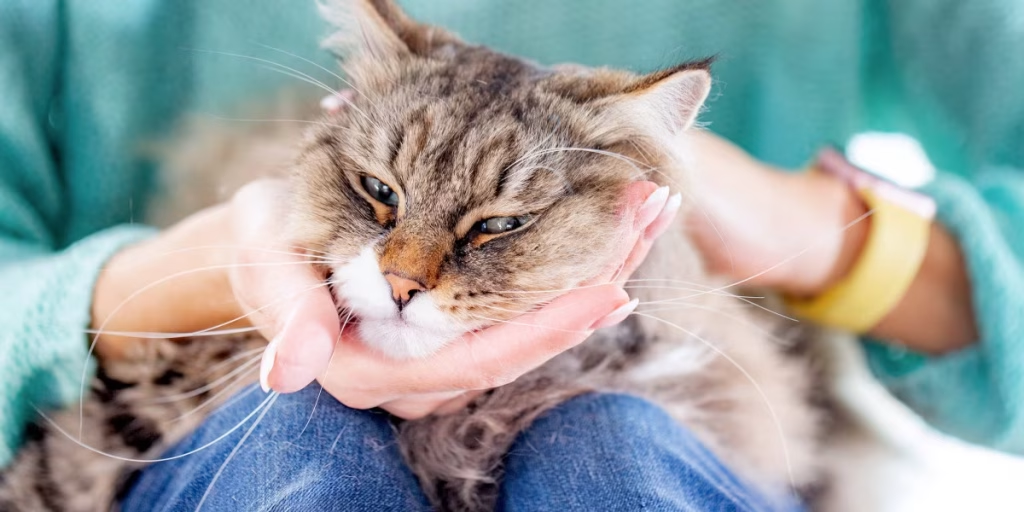

Shedding is one of those things most pet owners accept as part of the package, but excessive shedding can sometimes make you pause and wonder if something deeper is going on. While a little fur on the furniture is normal, an unusual amount can signal stress, diet issues, health conditions, or seasonal changes that your pet is struggling to adapt to. Over the years, I’ve noticed that shedding patterns tell a story , one that’s often connected to your pet’s environment, habits, and overall well-being.
The Natural Pet Shedding Cycle
All furry pets shed, but the amount and frequency depend heavily on their species, breed, and even where they live. Dogs and cats, for instance, go through seasonal shedding to adapt to changing weather. During spring, they often lose their thick winter coats to stay cool, while in autumn, new layers grow to prepare for the cold months ahead. This is completely normal and usually doesn’t require intervention beyond regular grooming.
However, not all shedding is created equal. Indoor pets, for example, don’t experience natural light cycles like outdoor animals do. Artificial lighting and controlled temperatures can disrupt their natural rhythm, leading to continuous light shedding rather than distinct seasonal phases. I’ve seen pets living indoors all year round shed moderately but consistently, and while this isn’t necessarily alarming, it’s still important to monitor patterns over time.
Seasonal Versus Abnormal Shedding
Distinguishing normal seasonal shedding from abnormal hair loss starts with observation. Healthy shedding typically occurs evenly across the body and doesn’t leave bald patches. The fur will appear soft, shiny, and abundant once the loose hair is brushed out. Abnormal shedding, on the other hand, can involve clumps of fur, visible skin irritation, thinning patches, or an unusual dullness in the coat.
One key indicator is behavior. If your pet is scratching, licking, or biting certain areas excessively, it could point to an underlying issue such as allergies or parasites. Another red flag is finding fur all over the home outside of usual shedding seasons. In these cases, something environmental or health-related may be contributing to the excess hair loss.
The Role of Diet in Coat Health
A pet’s diet plays an enormous role in coat condition. Nutritional deficiencies can weaken hair follicles and cause dull, brittle fur that falls out more easily. Proteins, omega fatty acids, vitamins A and E, and zinc are essential for strong, healthy hair growth. I’ve noticed pets on low-quality diets often have rougher coats and shed more frequently than those fed nutrient-rich meals.
If your pet is shedding excessively, evaluate their food quality first. Look for complete, balanced meals that list real meat as the primary ingredient. Omega-3 and omega-6 fatty acids, found in fish oil or flaxseed oil, are especially beneficial. These nutrients help maintain skin elasticity and hydration, preventing dryness that can lead to shedding.
Hydration also matters. Just like humans, pets need adequate water to maintain skin health. Dry, flaky skin often leads to irritation and shedding. Ensuring your pet always has access to clean water can make a noticeable difference in coat quality over time.
Stress and Shedding
Stress affects pets in surprising ways, and one of the most visible symptoms can be excessive shedding. Moving to a new home, loud noises, new family members, or even another pet can trigger anxiety that manifests physically. Some pets shed heavily after vet visits or car rides due to the sudden stress.
In such cases, the shedding often resolves once your pet feels secure again. Creating a calm environment can help , provide quiet resting areas, maintain a predictable routine, and offer gentle reassurance. If you’ve recently introduced changes at home, give your pet time to adjust and monitor whether shedding stabilizes afterward.
Chronic stress, however, may require professional help. Persistent anxiety can disrupt hormonal balance and skin health, causing ongoing fur loss. Consulting with a veterinarian or animal behaviorist can identify triggers and guide you toward effective management strategies.
Parasites and Skin Conditions
One of the most common causes of excessive shedding is external parasites like fleas, ticks, and mites. These pests irritate the skin, leading to constant scratching and biting that pulls out fur. Flea saliva can also cause allergic reactions in some pets, leading to inflamed skin and patchy hair loss.
Regular flea prevention is critical. I always recommend year-round protection, even for indoor pets, because fleas can hitch a ride on humans or other animals into the house. Check your pet’s fur regularly, especially around the tail, neck, and behind the ears. If you notice black specks or scabs, a parasite issue may be at play.
In addition to parasites, skin infections or fungal issues like ringworm can contribute to shedding. These conditions often cause circular bald spots, redness, or flaky skin. A veterinarian can perform simple tests to diagnose such issues and prescribe the right treatment.
Allergies and Environmental Factors
Allergies are another major reason pets lose more fur than usual. Food allergies, pollen, dust, or even certain cleaning products can trigger reactions that affect the skin and coat. If your pet develops itchy spots, rashes, or persistent licking in specific areas, allergies may be the culprit.
Environmental factors such as humidity and air quality also play a role. During dry winter months, heated indoor air can cause skin dryness and flaking, which contributes to shedding. Adding a humidifier to your home can help maintain moisture in the air and prevent irritation.
For pets with suspected allergies, consider switching to hypoallergenic food formulas or using natural cleaning products that are less likely to cause skin sensitivity. Sometimes, identifying and eliminating the source of the allergen can stop excessive shedding almost immediately.
Hormonal Imbalances and Medical Causes
Certain medical conditions can cause shedding that goes beyond normal patterns. Thyroid imbalances, Cushing’s disease, and hormonal changes after spaying or neutering can all disrupt the hair growth cycle. Pets with thyroid issues often exhibit thin coats and fatigue, while Cushing’s disease may lead to symmetrical bald patches and thinning skin.
In females, shedding can also increase after pregnancy or during heat cycles due to hormonal fluctuations. Male pets may experience temporary fur loss if testosterone levels shift significantly. In these cases, the shedding typically subsides once hormones stabilize.
If you suspect a medical cause, scheduling a veterinary checkup is essential. Blood tests can reveal hormonal imbalances or deficiencies that may not be apparent from visual inspection alone. Addressing these root causes can restore your pet’s coat to its natural luster.
Grooming Practices and Their Impact
Regular grooming helps control shedding by removing loose hairs before they spread around your home. Brushing stimulates blood flow to the skin and distributes natural oils, keeping the coat soft and healthy. The frequency and type of grooming depend on your pet’s breed and coat length.
Short-haired pets may need brushing once or twice a week, while long-haired breeds require daily maintenance. Using the right tools , like de-shedding brushes or grooming gloves , makes the process more effective and comfortable for both you and your pet.
Bathing also influences shedding. Overbathing can strip the skin of natural oils, leading to dryness and hair loss. Use gentle, pet-specific shampoos, and limit baths to once every few weeks unless your veterinarian recommends otherwise. After bathing, make sure to dry your pet thoroughly to prevent moisture-related skin issues.
Age and Shedding Changes
Age affects shedding patterns as well. Puppies and kittens often shed their soft baby fur as they mature, transitioning into adult coats that may differ in texture and color. Senior pets, on the other hand, may experience thinning coats due to slower cell regeneration and hormonal changes.
Older pets might also develop conditions like arthritis that limit their ability to groom themselves effectively, leading to matted or uneven fur. Regular brushing becomes even more important in these cases to maintain comfort and skin health.
Monitoring shedding in senior pets is particularly vital since sudden changes may indicate underlying health issues. If your older dog or cat begins losing fur rapidly or develops bald spots, a veterinary visit is recommended to rule out disease or nutritional problems.
Environmental Comfort and Shedding Control
A comfortable environment supports a healthy coat. Maintaining consistent indoor temperatures, providing shaded areas outdoors, and ensuring your pet has a cozy resting spot all reduce stress and support natural shedding cycles.
I’ve found that pets who spend time both indoors and outdoors adapt better to temperature changes, which helps their coat stay balanced throughout the year. However, sudden shifts , like bringing an outdoor pet inside full-time , can temporarily increase shedding as their body adjusts to the new conditions.
Vacuuming regularly and using furniture covers can also help manage loose hair around the home, making life easier during heavy shedding seasons.
Veterinary Care and Prevention
While most shedding is harmless, knowing your pet’s normal pattern helps you recognize changes early. If excessive hair loss continues despite a balanced diet, good grooming, and a comfortable home, a veterinary evaluation is the next step.
Your vet can rule out issues such as parasites, infections, or internal conditions through skin tests, blood work, and diet reviews. Early detection not only prevents further fur loss but also ensures your pet remains healthy overall.
Preventive care also matters , regular checkups, vaccinations, and parasite control protect your pet from many shedding-related causes before they escalate. A proactive approach keeps both your pet and your household cleaner and happier.
Final Thoughts
Excessive shedding can be frustrating, but it’s often your pet’s way of signaling that something needs attention , whether that’s nutrition, grooming, comfort, or health. By paying attention to changes in coat texture, behavior, and environment, you can often pinpoint the cause and take simple steps to restore balance.
In my experience, most shedding issues can be managed through a combination of proper diet, consistent grooming, and stress reduction. But the most important thing is observation. The more familiar you are with your pet’s normal habits, the quicker you’ll spot potential issues and address them before they become serious.
A glossy, full coat is more than just a sign of beauty , it’s a reflection of your pet’s inner health. Taking time to nurture that from the inside out ensures they stay comfortable, happy, and looking their best year-round.