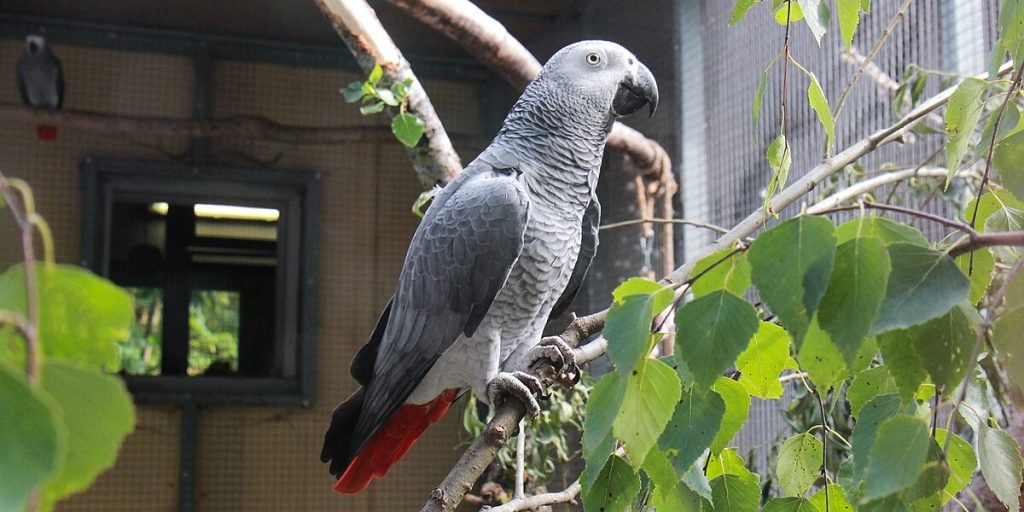

Feather plucking can be one of the most distressing things a parrot owner experiences. Watching a once-beautiful bird pull out its own feathers, sometimes until bald spots appear, leaves you worried and confused. I remember the first time I saw a parrot do it, the sound of the beak tugging at feathers was enough to make my heart sink. Parrots are naturally meticulous about grooming, but excessive feather plucking is never normal. It’s usually a sign that something deeper is wrong, physically, emotionally, or environmentally.
Let’s deep dive into Why Is My Parrot Plucking Its Feathers?
Parrots are complex creatures. Their intelligence and sensitivity make them extraordinary companions, but those same qualities also make them prone to behavioral and emotional struggles. Feather plucking is their way of signaling distress or discomfort, and understanding the root cause is the first step in helping them recover.
The Nature of Feather Plucking
Feather plucking, or feather-destructive behavior, isn’t just a bad habit. It’s a symptom of an underlying problem. Parrots preen naturally to keep their feathers clean and aligned, but plucking involves pulling or biting feathers out entirely. Some parrots only pluck a few feathers, while others can strip large areas of their bodies, leaving skin exposed.
The reasons behind it vary widely. It can stem from medical issues, psychological stress, or environmental factors. What makes it complicated is that once the habit starts, it can become self-reinforcing, like a person biting their nails when anxious. Even after the original trigger is removed, the parrot may continue plucking out of habit or lingering anxiety.
Medical Causes That Should Never Be Overlooked
Before assuming the problem is behavioral, it’s important to rule out medical issues. Parrots can pluck due to irritation, discomfort, or pain caused by physical conditions. I always recommend starting with a full veterinary examination.
Skin infections, mites, or fungal growths can make a parrot’s skin itchy, prompting them to pick at themselves for relief. Allergies to food or airborne particles can also cause itching and inflammation. In some cases, internal health problems like liver disease, hormonal imbalances, or malnutrition trigger feather loss or plucking.
I once knew a parrot that began plucking due to a vitamin A deficiency caused by an all-seed diet. Once the diet was corrected and fresh vegetables were added, the behavior gradually stopped. That experience taught me that what seems behavioral can actually have a very physical root.
A vet visit is essential not only to diagnose these issues but also to ensure the plucking hasn’t caused infections or damaged the skin. Parrots with open wounds from plucking are vulnerable to bacteria, and untreated infections can make the condition much worse.
The Emotional Side of Feather Plucking
Parrots are emotionally intelligent animals. In the wild, they live in social flocks where they communicate constantly, fly for miles, and engage in complex social behaviors. In captivity, their environment is often quieter and less stimulating. Without enough mental or social interaction, many parrots develop emotional distress that manifests through plucking.
Loneliness is one of the most common causes. Parrots crave companionship, and in a home setting, they look to humans as part of their flock. If they spend long hours alone without interaction or enrichment, they can become anxious or depressed. Plucking becomes a form of self-soothing, much like how humans might pace or fidget when stressed.
Boredom is another trigger. Parrots are problem-solvers by nature. In the wild, they use their beaks to forage, crack nuts, and build nests. A parrot confined to a cage with few toys and little stimulation may resort to plucking simply because they have nothing else to do.
Stress also plays a huge role. Loud noises, changes in environment, or lack of routine can unsettle parrots. Even something as simple as moving their cage or changing lighting patterns can cause anxiety. I’ve seen parrots begin plucking after a family brought home a new pet or moved to a new house. The change overwhelmed the bird’s sense of safety and triggered the behavior.
Poor Diet and Nutritional Deficiencies
Diet has an enormous impact on a parrot’s feather health. A diet high in seeds but low in fruits, vegetables, and essential nutrients leads to dry, brittle feathers and itchy skin. Over time, this discomfort can drive a parrot to pluck.
A balanced diet for most parrots should include a mix of formulated pellets, fresh fruits, leafy greens, and healthy grains. Foods rich in vitamins A and E, omega-3 fatty acids, and calcium help maintain healthy feathers and skin. I’ve seen dramatic improvements in parrots that were switched from seed-only diets to balanced ones that mimic their natural diet.
Hydration is just as important. Dry indoor air, especially during winter, can make feathers brittle and skin flaky. Providing access to fresh water for drinking and bathing can reduce irritation and promote healthier preening habits.
Hormonal Influences on Behavior
Hormonal changes, especially during breeding seasons, can make parrots irritable and prone to behavioral shifts. During these periods, some parrots over-preen or pluck feathers due to hormonal stress. The increased hormone levels can make their skin feel sensitive or itchy, which leads to excessive grooming.
Managing lighting can help control hormonal triggers. Parrots rely on natural light cycles to regulate hormones, so keeping them on a consistent schedule that mimics day and night patterns reduces overstimulation. Avoiding excessive petting, especially around the back or under the wings, can also help, since such contact can inadvertently trigger breeding behavior.
Environmental Factors That Contribute to Plucking
The parrot’s environment has a huge influence on their mental and physical well-being. Small cages, poor lighting, lack of fresh air, or exposure to smoke and chemical odors can cause significant stress. I make sure my bird’s cage is large enough for stretching and climbing, and positioned in a part of the house where they can see activity without being overwhelmed by noise or drafts.
Temperature and humidity are also important. Parrots from tropical regions thrive in warm, moderately humid conditions. Dry air from heating or air conditioning can make their skin itchy. Using a humidifier and offering regular misting baths can make a noticeable difference.
Toys are another vital element. Parrots need stimulation that mimics foraging and exploration. Toys made of natural materials, like wood or rope, allow them to chew safely, helping redirect the urge to pluck. Rotating toys regularly prevents boredom and keeps their minds engaged.
The Role of Attention and Social Bonding
Parrots form deep emotional bonds with their caregivers. They thrive on social interaction, and neglect, intentional or not, can lead to emotional distress. Spending time talking to, training, and playing with your parrot every day helps build trust and security.
A few minutes of interaction isn’t enough for such a social creature. Parrots need quality time, whether through games, foraging challenges, or simple conversation. I’ve found that teaching basic commands or tricks not only stimulates their minds but also strengthens the bond between parrot and owner.
If a parrot feels ignored, plucking can become a way of seeking attention. They learn quickly that plucking provokes a reaction from humans, even if it’s negative. That’s why it’s crucial to respond calmly and avoid scolding, as strong reactions can unintentionally reinforce the behavior.
Behavioral Training and Enrichment
Once medical and environmental factors are addressed, behavioral enrichment becomes the next step. Parrots need structured activities to redirect their focus. Puzzle toys that hide treats encourage natural foraging instincts and occupy their time.
Training sessions using positive reinforcement, like rewarding calm, playful behavior, can help break the plucking cycle. For some birds, introducing a new perch or rearranging their cage offers enough novelty to distract them from plucking.
I’ve also found that background music or nature sounds can create a calming atmosphere. Parrots respond well to consistent, gentle sounds that mimic the chatter of a flock, helping them feel less isolated.
The Importance of Routine
Parrots thrive on predictability. Sudden changes can make them anxious. Maintaining consistent feeding, sleeping, and interaction times helps them feel secure. I’ve noticed that once a daily rhythm is established, plucking behavior often decreases because the bird feels more in control.
Cage placement also matters. A quiet corner with good visibility allows the parrot to observe household activity without feeling threatened. Too much noise or foot traffic near their cage can make them nervous, while total isolation can make them lonely. Balance is key.
Professional Help and Patience
In some cases, feather plucking becomes a deeply ingrained behavior that requires professional intervention. Avian behaviorists specialize in identifying emotional triggers and creating tailored behavior modification plans. Combining their guidance with veterinary care often produces the best results.
Recovery takes time. Feathers don’t grow back overnight, and the emotional healing process can be slow. Patience is essential. Small victories, like reduced plucking or visible new feather growth, should be celebrated as signs of progress.
Preventing Future Plucking
Prevention is always easier than treatment. Ensuring a parrot’s physical, emotional, and environmental needs are met greatly reduces the risk of feather plucking. Regular vet visits, a nutritious diet, mental stimulation, and daily social interaction create a strong foundation for a healthy, happy bird.
I’ve learned that parrots mirror the energy of their environment. A calm, consistent household helps them thrive, while tension or neglect can trigger negative behaviors. Being attentive to small changes in behavior or mood allows early intervention before plucking becomes a serious issue.
Conclusion
Feather plucking is a cry for help, not a sign of defiance. It’s a parrot’s way of expressing discomfort, loneliness, or imbalance. The solution lies in patience, observation, and compassion. By addressing the root causes, whether medical, emotional, or environmental, we can guide our feathered companions back to health.
Helping a parrot overcome feather plucking isn’t just about restoring their beauty; it’s about restoring their peace of mind. Each step taken to create a more enriching, secure environment strengthens the bond between bird and owner. Over time, that bond becomes the greatest healing force of all, reminding both of you that care, trust, and understanding can transform even the most troubling habits into renewed harmony.