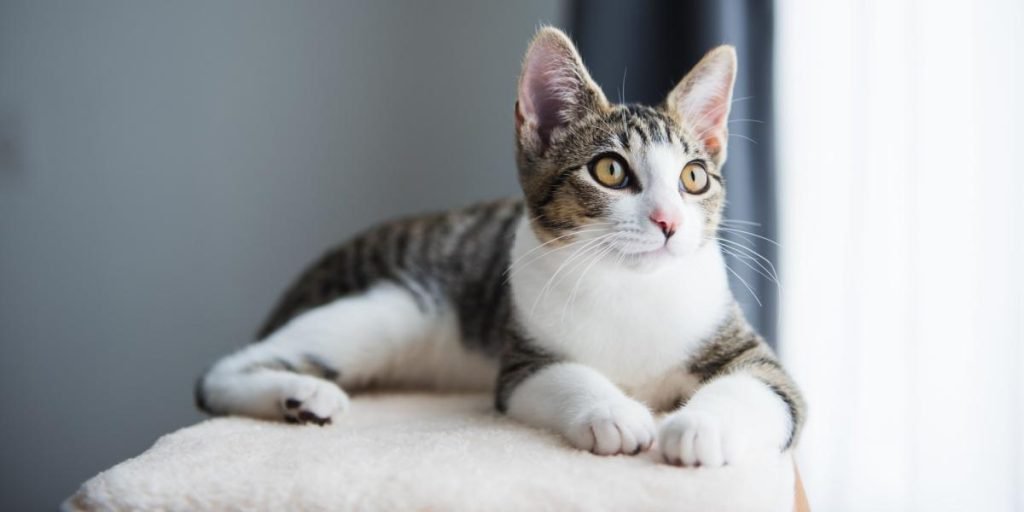

Cats have a mysterious way of showing affection, and one of the strangest yet most endearing behaviors is their tendency to curl up right on top of your head while you sleep. I’ve often woken up to find my cat’s whiskers tickling my face, her purrs vibrating against my pillow, and her body perfectly balanced on my head as though it were the most comfortable bed in the world. At first, it felt confusing and a little inconvenient, but over time I realized that this odd habit reveals a lot about the feline mind.
Seeking Warmth And Comfort
Cats are naturally drawn to warmth, and your head happens to be one of the warmest spots on your body. During sleep, our heads release steady heat, making it an irresistible magnet for a cat looking to stay cozy through the night. Unlike the rest of the body, which is often covered by blankets, the head remains exposed, offering the perfect balance of heat and space for your cat to snuggle against.
Many cats instinctively seek out warmth because their body temperature drops slightly while they sleep. In the wild, this instinct would help them conserve energy and stay comfortable in cool environments. Your head, radiating gentle warmth, provides the same comfort as a patch of sunlight or a cozy heater.
Bonding Through Scent And Familiarity
Cats have an incredible sense of smell, and scent plays a major role in how they experience the world. By sleeping on your head, your cat surrounds herself with your scent, the smell of your hair, your skin, and even your pillow. These familiar scents make her feel safe and connected to you. It’s her way of reinforcing the bond between you, as scent is one of the strongest signals of trust in feline behavior.
In multi-pet households, cats often rub against each other to exchange scents, marking one another as part of the same social group. By pressing herself against your head, your cat is essentially marking you as family. This is not dominance or control, it’s affection, a quiet declaration that you belong to her inner circle.
Claiming Territory In The Softest Way
Cats are territorial creatures by nature. They have specific areas they consider theirs, and those boundaries often expand to include people. By sleeping on your head, your cat might be expressing ownership in the most loving way possible. You’re her safe zone, her trusted territory, and she wants to be close enough to remind herself, and everyone else, that you belong to her.
The scent glands located on her cheeks and head also play a role here. As she presses against your hair or pillow, she’s leaving behind her own scent markers, subtly reinforcing that comforting sense of belonging. It’s her way of blending her world with yours.
Security In Your Presence
Cats, even the most independent ones, rely on a sense of security during rest. In the wild, a sleeping cat is vulnerable to predators, which is why they often seek out protected, high, or hidden places to nap. When your cat sleeps on your head, she’s showing that she feels safe enough to let her guard down completely.
Your steady breathing, body warmth, and heartbeat create an environment of reassurance. She recognizes your presence as protective and stable. To a cat, sleeping near your head, where movement is minimal compared to your arms or legs, feels like the safest and calmest place in the bed.
Avoiding Disturbance While Sleeping
Cats are incredibly perceptive to movement, and they learn quickly where it’s safest to sleep without being disturbed. If you’ve ever tossed and turned in bed, your cat has probably learned that your feet and torso are unpredictable zones. The head, on the other hand, barely moves.
By perching near your head, your cat avoids being kicked or rolled on during the night. It’s her way of ensuring an undisturbed sleep. She gets to stay close to you while maintaining her own comfort. Over time, this preference becomes a habit, turning your head into her nightly resting spot.
The Role Of Affection And Trust
Cats may have a reputation for independence, but they are deeply affectionate creatures once they bond with someone. Sleeping near your head is one of the most intimate ways your cat can express love and trust. It’s her way of saying she feels safe with you, that she wants to be close to your heartbeat and your scent while she sleeps.
This behavior often appears in cats that have strong attachments to their owners. It’s not just about physical closeness, it’s emotional security. She’s not guarding you or depending on you for warmth alone; she’s participating in a ritual of trust and companionship.
Comfort In The Familiar Nighttime Routine
Cats are creatures of habit. Once they find a sleeping spot that feels safe, warm, and consistent, they tend to return to it night after night. Your head becomes part of your cat’s bedtime ritual. She knows that at a certain time, you lie down, the lights dim, and the world quiets. That predictable pattern creates an inviting environment for her.
Over time, this nightly companionship becomes more than a habit, it becomes a comforting ritual for both of you. Even if it’s inconvenient, it’s also endearing. It’s her way of sharing the peace of the night with you.
Mimicking Kitten Behavior
In the early weeks of life, kittens sleep in a pile with their littermates and mother. This closeness keeps them warm, safe, and comforted by the familiar rhythm of breathing and heartbeats. Many adult cats continue to seek that same kind of security from their human companions.
By curling up on your head, your cat might be replicating that early-life comfort. The sound of your breathing and the warmth of your scalp remind her of those first safe moments as a kitten. It’s a form of regression that signals deep trust and emotional connection.
Sensing Your Emotions And Stress
Cats are surprisingly intuitive. They often pick up on the emotional energy of their owners. If you’ve had a stressful day, your cat might climb onto your pillow and settle near your head to comfort you. Her purring has a calming vibration that can lower stress levels, and she instinctively knows that being close to you helps both of you relax.
It’s not uncommon for cats to act almost like emotional barometers, adjusting their behavior based on your mood. By resting near your head, she may be trying to share calmness or even absorb some of your tension in her own quiet way.
Temperature Regulation For Both Of You
While it’s true that your cat is drawn to warmth, your cat might also be acting as your tiny nighttime heater. During colder nights, that extra bit of warmth can actually benefit both of you. Cats have a body temperature slightly higher than humans, so their closeness provides a natural source of heat that makes the sleeping environment more comfortable.
Some people even find the gentle purring and warmth of a cat on their pillow soothing enough to improve sleep quality. It may not be the most practical arrangement, but it can create a cozy and peaceful bedtime atmosphere.
Your Hair Feels Like A Soft Nest
Cats love textures, and your hair may simply feel good to them. The softness and slight movement of hair mimic the sensation of a nest or cozy fur pile. Some cats knead or nuzzle into their owner’s hair before settling down, a behavior reminiscent of how kittens knead their mothers while nursing.
This sensory pleasure, combined with your scent, makes your head one of the most appealing sleeping spots in the house. Your cat may even bury her face in your hair or gently paw at it before dozing off.
Why Some Cats Prefer The Head Over The Lap
While most cats love lounging in laps during the day, the nighttime routine is different. At night, they prefer to be close but undisturbed. The head area offers proximity without interference. Unlike your hands, which might move or shift while you sleep, your head provides a stable surface for long hours of rest.
It’s also higher than the rest of your body. Cats naturally like elevated positions, they feel safer and can better observe their surroundings from above. Sleeping near your head combines the best of both worlds: warmth, safety, and elevation.
How To Manage The Behavior If It Bothers You
As adorable as it sounds, having a cat sleep on your head isn’t always ideal. The fur, movement, or late-night purring might make it hard to rest. If you’d prefer a bit of personal space, you can gently encourage your cat to sleep elsewhere without hurting her feelings.
Start by providing an appealing alternative. Place a soft blanket or heated cat bed near your pillow or at the foot of your bed. You can even sprinkle a little catnip or place one of your worn shirts there to transfer your scent. This keeps her feeling close while gradually redirecting her sleeping spot.
Be patient during this transition. Cats form habits through repetition, so it may take time for her to adjust. Avoid pushing or scolding her away suddenly, it could cause stress and confusion. Instead, use gentle guidance and positive reinforcement.
Possible Health Considerations
While sleeping on your head is mostly harmless, it’s worth noting that cats can occasionally transfer allergens or dander. If you have allergies, sinus issues, or a sensitive scalp, it’s best to maintain some distance during sleep.
Regular grooming and brushing help minimize loose fur and dander. You can also wash your pillowcases more frequently to maintain cleanliness. None of this takes away from your bond; it simply helps you both share a comfortable, hygienic space.
Different Personalities, Different Habits
Not all cats exhibit this behavior, and that’s perfectly normal. Just as humans have unique sleeping preferences, cats do too. Some might prefer your lap, your chest, or a nearby blanket instead. A cat’s choice of sleeping location reflects their personality, mood, and level of trust.
An affectionate, confident cat may prefer direct contact, while a more independent or anxious one might settle nearby. Observing where your cat sleeps can actually reveal a lot about how she feels about her environment and her bond with you.
The Symbolism Of Sleeping On Your Head
In a broader sense, a cat sleeping on your head is a gesture of deep trust. Cats do not place themselves in vulnerable positions around people they don’t feel secure with. Curling up so close to your face, where they can feel your breath and hear your heartbeat, is one of the most intimate ways they can connect.
It’s a quiet, instinctive act that says, “I’m safe with you.” While it may seem funny or inconvenient, it’s actually one of the highest compliments a cat can give.
Balancing Affection With Boundaries
Sharing your bed with a cat can be comforting, but boundaries are also healthy. If your cat’s nighttime habits interfere with your sleep, establishing a balance benefits both of you. Set consistent cues at bedtime, like turning off lights or using calming scents, so your cat knows it’s time to settle in her own space.
You can still bond before bed through gentle petting, brushing, or playtime. This maintains emotional closeness while giving you uninterrupted rest once you’re asleep.
Why This Quirk Is Worth Appreciating
Having your cat sleep on your head may not be the most convenient experience, but it’s one of those quirks that make living with cats so unique. It’s a mix of instinct, affection, and habit all rolled into one. While it may test your patience occasionally, it’s also a reminder of the deep, unspoken connection between humans and cats, a relationship built on comfort, warmth, and mutual trust.
The fact that your cat chooses your head over any other cozy corner in the house says a lot about how much she values your presence. She could sleep anywhere, yet she picks you, night after night.
Conclusion
So why does your cat sleep on your head? It’s not just about warmth or territory, it’s about love, safety, and connection. Cats choose the people they trust most to share their most vulnerable moments with, and sleep is one of them.
From marking you with scent to mimicking the comfort of kittenhood, every reason behind this behavior is rooted in affection. Whether you decide to let her stay there or gently guide her elsewhere, know that her choice reflects deep attachment and trust.
In her quiet, purring way, your cat is telling you that you’re her favorite place in the world. And even if it means waking up with fur in your hair or a slightly numb scalp, it’s hard not to feel a little honored that your cat sees you as the safest pillow she could ever find.