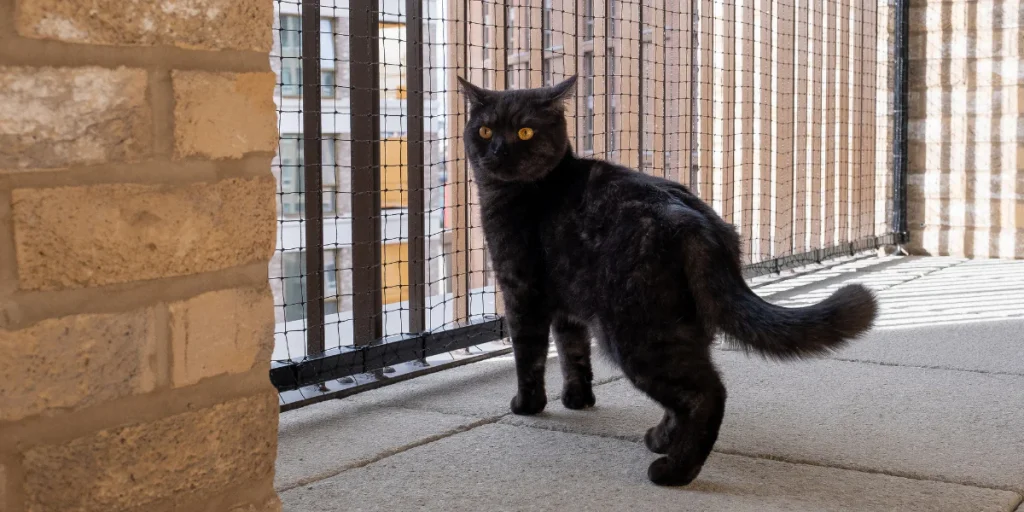

Cats communicate in many ways, from body language to subtle gestures, but meowing is their most direct form of expression. It’s how they talk to us, tell us what they want, and express how they feel. Over time, I began to notice that my cat meowing far more than usual, sometimes in the middle of the night, sometimes for no clear reason. It made me wonder what she was trying to say. As I paid closer attention, I realized her excessive meowing wasn’t random. It was her way of communicating something specific, whether it was hunger, loneliness, or simply the need for attention.
The Language Of Meows
Cats don’t meow to each other very often once they become adults. They reserve that vocal communication mainly for humans. Each meow has its own tone, pitch, and rhythm, carrying different meanings. Short, quick meows can mean greetings or mild irritation, while long, drawn-out meows often signal demands or distress.
Over time, I began to recognize patterns in my cat’s vocalizations. She had a distinct meow for mealtime, another for wanting to go outside, and a soft, rolling trill whenever she was feeling affectionate. Excessive meowing is usually a sign that your cat is trying to communicate something important. The key is figuring out what that message is.
Hunger And Feeding Schedules
One of the most common reasons a cat meows excessively is hunger. Cats quickly learn to associate humans with food, and they’re not shy about reminding us when it’s time to eat. If your cat starts meowing more often around mealtime, pacing near her bowl, or following you into the kitchen, it’s likely she’s hungry or anticipating food.
I realized that my cat’s meowing intensified in the hour leading up to feeding time. Once I established a consistent feeding schedule and stuck to it, the meowing decreased significantly. Cats thrive on routine, and feeding them at the same time every day helps reduce anxiety and vocal demands.
Sometimes, though, meowing continues even after they’ve eaten. This can happen if they’re not getting enough nutrition or if the food isn’t satisfying. Switching to a higher-quality diet or offering smaller, more frequent meals can help. Cats are natural grazers, and spreading out their feeding times throughout the day can calm their behavior.
Attention-Seeking Behavior
Cats may act independent, but they crave attention from their humans. Excessive meowing can be a direct plea for interaction. My cat often meowed loudly when she wanted to play, be petted, or simply be near me. Ignoring her only made the behavior worse because she learned that louder meows got my attention faster.
I found that spending dedicated time playing with her each day made a big difference. Interactive toys like feather wands and laser pointers gave her the stimulation she needed. Cats have bursts of energy and need to chase, pounce, and hunt to feel fulfilled. Without that outlet, they can become vocal and restless.
Cats are also social creatures. If they spend long hours alone, they may start meowing out of loneliness. Leaving a radio on, providing puzzle feeders, or adopting another pet can help reduce that sense of isolation. Sometimes, all they need is reassurance that they’re not forgotten.
Stress And Anxiety
Cats are sensitive animals, and even small changes in their environment can trigger stress. Moving to a new home, rearranging furniture, bringing in new pets, or hosting guests can all make a cat anxious. Meowing is one of the ways they express that discomfort.
I remember how my cat reacted the first time I moved apartments. She wandered from room to room, meowing loudly and constantly, as if asking where everything had gone. It took a few weeks of patience, familiar scents, and comforting routines before she settled down.
Stress-related meowing often comes with other signs, like hiding, over-grooming, or changes in appetite. Keeping a calm environment, maintaining predictable routines, and offering safe hiding spaces can help them adjust. Using pheromone diffusers or sprays can also help create a soothing atmosphere.
Aging And Cognitive Changes
As cats get older, their behavior often changes, and excessive meowing can become more common. Senior cats sometimes experience cognitive dysfunction, similar to dementia in humans. They may become disoriented, forget familiar places, or cry out at night for no clear reason.
My older cat began meowing more frequently after dark, pacing around the house as if confused. After consulting my vet, I learned this was a common symptom of feline cognitive decline. Keeping lights on at night and maintaining a consistent routine helped calm her.
Older cats may also meow due to hearing loss or declining vision. They may cry out louder simply because they can’t hear themselves or feel less secure in low-light conditions. Providing nightlights, extra bedding, and gentle reassurance can make them feel safer and reduce the vocalization.
Medical Issues
Excessive meowing can sometimes signal an underlying health problem. Cats can’t tell us they’re in pain, so they use their voice to alert us. Conditions like hyperthyroidism, kidney disease, or high blood pressure can cause increased vocalization. Cats with urinary tract infections, dental pain, or arthritis may also meow more than usual.
I once noticed my cat meowing repeatedly near her litter box, which was unusual for her. A vet visit revealed she had a mild urinary infection. After treatment, her vocal behavior returned to normal. That experience taught me never to ignore sudden changes in her meowing patterns.
If your cat starts meowing more often, especially if it’s accompanied by other symptoms like weight loss, increased thirst, or changes in appetite, a trip to the vet is essential. Early detection and treatment can prevent discomfort and serious complications.
Mating Behavior And Hormonal Changes
Unspayed female cats in heat and unneutered males can become very vocal. Females often let out loud, drawn-out yowls to attract mates, while males may respond with equally loud calls. These mating-related meows are distinct, they’re intense, repetitive, and usually occur at night.
I once fostered an unspayed cat, and her yowling filled the entire apartment for several days. It wasn’t distress, it was instinct. After she was spayed, the vocalizations stopped completely.
Spaying or neutering your cat not only prevents unwanted litters but also significantly reduces hormonal-driven behaviors like excessive meowing, roaming, and aggression. It also contributes to a calmer, happier pet.
Boredom And Lack Of Stimulation
A bored cat can be a noisy cat. Indoor cats, especially those without enough stimulation, may meow out of sheer boredom. Cats are natural hunters and explorers, and if their environment doesn’t challenge them, they’ll seek attention through vocalization.
To combat boredom, I introduced more play sessions, climbing shelves, and puzzle toys. My cat loved chasing toy mice and exploring new textures. Rotating her toys kept things fresh and prevented her from losing interest.
Creating a stimulating environment helps quiet the constant meowing. Window perches, bird-watching spots, and scratching posts all give cats something to focus on other than trying to get your attention. Mental stimulation is just as important as physical activity for keeping them content.
Nighttime Meowing
Few things are more frustrating than a cat that meows loudly in the middle of the night. Nighttime vocalizations are often caused by boredom, loneliness, or an irregular feeding schedule. Cats are naturally crepuscular, meaning they’re most active during dawn and dusk.
My cat used to wake me up with persistent meows at 3 a.m., demanding food or playtime. I eventually learned that adjusting her routine could solve the problem. I started feeding her a small meal before bed and scheduled a play session in the evening to tire her out. The result was a much quieter night.
If your cat continues to meow at night, ensure they have enough stimulation during the day and consider giving them interactive toys or puzzle feeders before bedtime. Over time, they’ll learn to sleep through the night, or at least let you sleep in peace.
Territorial Behavior
Cats are territorial by nature, and excessive meowing can sometimes be a sign that they feel their territory is being threatened. This often happens when new animals are introduced to the home or when outdoor cats come near the window.
My cat once went into a vocal frenzy whenever a neighborhood cat appeared outside. She’d pace along the window sill, tail twitching, letting out sharp, agitated cries. To reduce her stress, I closed the blinds and redirected her attention with a toy.
If territorial behavior is the cause, blocking visual access to the intruder and providing alternative distractions usually helps. In multi-cat homes, ensuring each cat has its own space, litter box, and resting area can minimize conflicts and vocal tension.
Medical Checkups And Observation
Excessive meowing shouldn’t be ignored, especially if it’s a new behavior. Cats are experts at hiding discomfort, so vocalization can be one of the few visible signs something is wrong. Regular veterinary checkups are essential to rule out medical issues.
I’ve learned to pay attention not just to how often my cat meows but also to how the sound changes. A higher pitch, increased frequency, or meows during unusual times can all be clues. Writing down patterns, time of day, triggers, and duration, can help the vet make a more accurate diagnosis.
Even if the cause turns out to be behavioral rather than medical, your vet can offer advice or recommend a feline behavior specialist.
Training And Behavior Adjustment
Once medical causes are ruled out, training can help modify excessive meowing. The key is consistency and patience. If your cat meows for attention, responding immediately reinforces the behavior. Instead, wait for a quiet moment before engaging or offering affection.
I began ignoring my cat’s demanding meows and rewarding her only when she was calm. At first, she meowed louder, but eventually, she learned that silence got her what she wanted faster. It’s all about teaching them that quiet behavior is more effective.
Avoid shouting or using negative reinforcement, as it only creates fear and confusion. Cats respond best to gentle correction and predictable patterns.
Comfort And Communication
Sometimes, cats meow simply because they’re happy to see you. After spending hours alone, they’ll greet you at the door with a flurry of meows, tails high, and eyes bright. It’s their version of a conversation. Responding with a calm voice or a few gentle words can strengthen that bond.
I’ve learned to talk back to my cat, matching her tone softly. It may sound silly, but it’s our way of connecting. Over time, she began meowing less for attention and more as a form of friendly communication.
Cats rely on us to interpret their sounds. By observing their tone, body language, and environment, we can understand their needs better and respond appropriately.
Conclusion
A cat that meows excessively isn’t being difficult, it’s trying to tell you something. Whether it’s hunger, stress, boredom, or illness, each meow carries meaning. By paying attention to patterns, environment, and behavior, it becomes easier to decode those vocal cues.
Addressing the cause rather than the sound itself brings better results. Establishing routines, offering stimulation, ensuring good health, and spending quality time together all reduce unnecessary meowing.
Over time, I learned that my cat wasn’t just making noise, she was communicating. The constant meows that once felt irritating turned into a language of trust and connection. Listening, observing, and responding with patience transforms that chatter into a deeper bond between you and your feline friend.