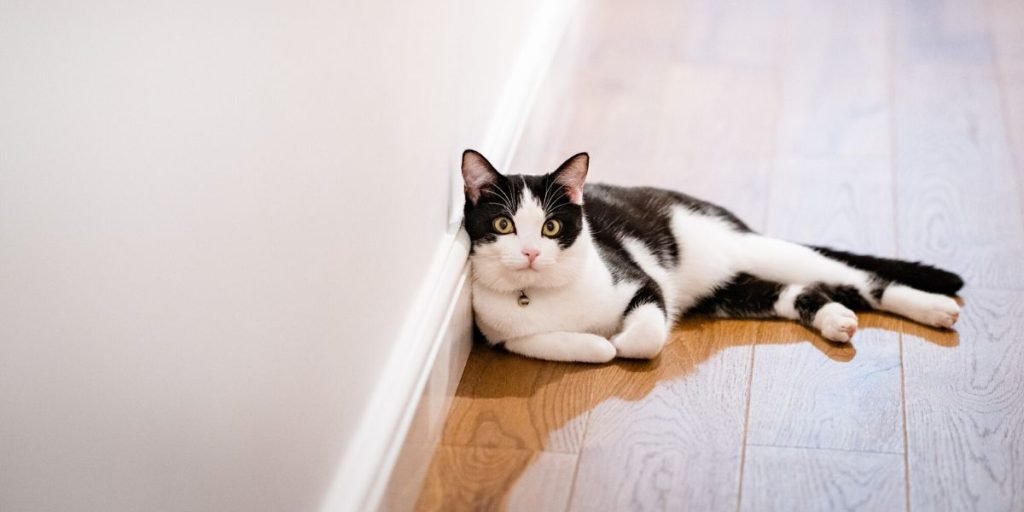

Cats are fascinating creatures, and one of their most intriguing behaviors is hiding. Whether it’s slipping under the bed, curling up in a closet, or squeezing behind the couch, cats seem to have an endless fascination with disappearing. It can be both adorable and concerning to see a cat vanish for hours, especially if it happens often. I’ve asked myself many times why my own cat prefers to stay tucked away instead of lounging in plain sight, and over time, I’ve realized that this behavior tells us a lot about how cats think and feel.
The Instinct Behind Cat Always Hiding
Hiding is a deeply ingrained survival instinct in cats. Long before they became our domestic companions, cats lived in the wild as both predators and prey. To stay safe from larger threats, they sought out hidden spots where they could rest without being noticed. That instinct remains strong even in the most pampered house cat.
When my cat curls up under the bed, she’s acting on that ancient programming. Hidden spaces make her feel secure, especially if there’s noise, movement, or new activity in the house. It’s her way of controlling her environment, ensuring she can rest without being startled or approached unexpectedly.
The Need For Security
Cats are territorial by nature. They see their home as their personal domain, and they need to feel safe within it. If a cat senses that something has changed, new furniture, a new pet, or unfamiliar smells, it may retreat to a familiar hiding spot to regain a sense of security.
I’ve noticed that after rearranging furniture or hosting guests, my cat tends to vanish for a while. She doesn’t do this out of fear exactly, but rather as a way to retreat until she feels comfortable again. It’s almost like she’s processing the changes from a safe distance.
Stress And Anxiety
Cats are sensitive creatures, and stress affects them in subtle ways. Loud noises, unfamiliar visitors, or even minor changes in routine can make them anxious. Hiding becomes a coping mechanism, a safe place to calm down until the perceived threat passes.
In my home, thunderstorms and vacuuming are the biggest triggers. My cat instantly disappears, often into the same quiet corner of the closet. Once things settle down, she reappears as if nothing happened. This pattern shows just how much cats rely on hiding to manage anxiety.
Long-term stress, however, can lead to constant hiding. If a cat spends most of its time in secluded spots, it might be reacting to ongoing tension, maybe from another pet, a noisy household, or a new baby. In such cases, it’s important to identify the stressor and make changes to restore balance.
Illness Or Pain
Sometimes, frequent hiding is not just emotional, it’s physical. Cats are masters at concealing pain. In the wild, showing weakness would make them vulnerable to predators, so even domesticated cats instinctively hide when they’re unwell.
I’ve seen this firsthand when my cat wasn’t feeling her best. She withdrew and avoided contact for days, and only after visiting the vet did I realize she had an infection. Once treated, her social behavior returned to normal.
If a normally outgoing cat suddenly begins hiding for long periods, it might be a sign of illness. Other indicators include loss of appetite, unusual vocalizations, lethargy, or changes in grooming habits. Consulting a vet is always the safest step to rule out underlying medical issues.
Adjusting To New Environments
Moving to a new home or even rearranging furniture can make a cat feel lost. Cats rely on scent and familiarity to feel grounded, and when that’s disrupted, they often retreat to the first safe place they find.
When I moved apartments, my cat spent days hiding under the bed. She wasn’t exploring much, just observing from her hidden spot. Gradually, I made her feel comfortable by spreading her scent around the house, placing her blankets, toys, and scratching post in visible areas. Eventually, curiosity overcame her fear, and she started venturing out.
The process taught me that patience is key. Cats need time to adjust, and forcing them out only increases their anxiety.
Fear Of Strangers
Cats can be cautious around unfamiliar people. Unlike dogs, who often greet guests enthusiastically, cats prefer to assess from afar. My cat, for example, hides under the bed whenever friends visit, peeking out only after she’s heard their voices for a while.
This doesn’t mean she dislikes people; it’s her way of maintaining control. Each cat’s tolerance for strangers varies based on socialization. Kittens exposed to many people early in life are more likely to feel comfortable later on, while cats raised in quieter environments may always prefer distance.
To help, I usually advise guests to ignore her completely. This lets her approach on her own terms, which builds confidence over time.
Weather And Temperature
Cats are experts at seeking comfort, and their hiding habits sometimes have practical reasons. On colder days, they might tuck themselves into warm, enclosed areas. During hot weather, they often find cooler, shaded spots.
My cat loves curling up inside my closet during winter because it’s warm and quiet. In summer, she prefers under the bed where the air is cooler. This behavior is perfectly normal, it’s her way of regulating body temperature and maintaining comfort.
New Pets In The Home
Bringing a new pet into the house can dramatically change a cat’s sense of security. Whether it’s another cat, a dog, or even a small pet, the presence of a new animal introduces unfamiliar scents and sounds.
When I adopted a second cat, my older one disappeared for days. She was not angry but overwhelmed. To ease the transition, I kept them in separate rooms at first, letting them sniff each other’s bedding before meeting face-to-face. Gradual introductions helped both cats adjust and eventually coexist peacefully.
Hiding is a natural response to such major changes. Allowing your cat time to process the new dynamic helps prevent stress-related issues and fosters a smoother adjustment.
The Comfort Of Privacy
Cats value solitude more than most animals. They often seek quiet moments to recharge, just as we do. A cozy nook or quiet corner gives them privacy and control over their surroundings.
I’ve realized that my cat’s favorite hiding spots are her safe zones, places where she can nap undisturbed and observe her environment. She often emerges happier and more affectionate afterward, suggesting that these moments of solitude are emotionally restorative.
It’s easy to mistake solitude for sadness, but most cats hide simply because they enjoy alone time. As long as they’re healthy and still engaging with you daily, there’s no cause for concern.
Territorial Instincts
Cats are naturally territorial. Each one claims specific areas as their own, and hiding spots often fall into that category. My cat, for example, has a few “claimed” spaces around the house, under the bed, inside a box, and behind a curtain. She returns to them regularly, marking them subtly with scent.
If another animal or even a human disrupts that territory, she’ll retreat temporarily until it feels safe again. Recognizing and respecting these spaces is important for maintaining her comfort and trust.
Sensitivity To Noise
Cats have incredibly sensitive hearing. Sounds we barely notice can seem loud and intrusive to them. Construction, fireworks, or even loud television volumes can push them into hiding.
I’ve noticed that on days with heavy rain or distant thunder, my cat becomes more reclusive. The unfamiliar sounds unsettle her, and she finds comfort in small, enclosed spaces where the noise feels muffled.
In such cases, I create a calming environment by keeping windows closed, playing soft music, and ensuring her favorite hiding spot remains accessible. Small actions like these reassure her that she’s safe.
Age And Behavior Changes
A cat’s age can also influence its tendency to hide. Kittens explore fearlessly, while older cats may prefer quiet solitude. As cats age, they might experience reduced mobility, hearing loss, or cognitive changes that make them less comfortable in open spaces.
My senior cat began spending more time in her favorite basket as she aged. She wasn’t scared, she just found comfort in routine and familiarity. Respecting those changes is part of caring for an aging cat.
Encouraging A Cat To Feel Safe
If a cat hides frequently, the goal isn’t to eliminate the behavior but to ensure it’s rooted in comfort rather than fear. I’ve found that small adjustments can make a big difference.
Providing multiple hiding options around the house, like covered beds, cardboard boxes, or cat trees, gives them freedom to retreat without isolating themselves. It also helps to maintain a predictable daily routine. Feeding, playtime, and affection at consistent times help cats feel secure.
Using calming diffusers or sprays with pheromones can also reduce anxiety. These mimic the natural scent cats release when they feel safe, encouraging relaxation.
When To Be Concerned
Occasional hiding is normal, but sudden or excessive withdrawal could signal a problem. If your cat stops eating, avoids interaction entirely, or stays hidden for more than a day or two, it’s time to investigate further.
I always pay attention to changes in body language and daily habits. Cats communicate discomfort subtly, through posture, grooming patterns, and appetite. Spotting these shifts early can prevent small issues from becoming serious health concerns.
A vet visit is essential if hiding behavior accompanies other symptoms like vomiting, weight loss, or limping. Physical pain often drives cats into isolation, so never dismiss it as shyness.
Building Trust Over Time
Trust is the foundation of a confident cat. The more secure your cat feels with you, the less often it will hide out of fear. Building that trust takes time, especially with timid or rescued cats.
I’ve learned to move slowly and speak softly around my cat, letting her set the pace. Sitting near her hiding spot and talking gently helps her associate my presence with safety. Over time, she began emerging on her own, seeking affection instead of solitude.
Rewarding her bravery with treats or gentle petting reinforced that positive experience. Step by step, hiding became less about fear and more about comfort.
How To Make A Safe Environment
Creating a cat-friendly home means balancing privacy with engagement. I’ve arranged my home so my cat has safe retreats but can still observe the main living areas. Window perches, cat tunnels, and quiet shelves give her options to hide while staying connected to daily life.
Avoid chasing or pulling a hiding cat out by force. That only breaks trust. Instead, allow them to emerge naturally. Soft lighting, quiet surroundings, and familiar scents all encourage confidence.
Final Thoughts
Cats hide for many reasons, instinct, fear, stress, illness, or simply the desire for peace. It’s a behavior that tells us how they feel and what they need from us. The key is not to see hiding as a problem, but as communication.
By observing their patterns and creating a safe, predictable environment, we can ensure our cats feel secure enough to come out and engage when they’re ready. Hiding is part of their nature, a reflection of their independent spirit and need for control. Once we respect that, our bond with them becomes stronger, built on trust rather than fear.
My own cat still loves to vanish now and then, curling up in her favorite hidden corner. But I’ve come to see those moments not as withdrawal, but as part of who she is, a reminder that even in the comfort of home, a cat’s wild heart still beats quietly beneath the surface.