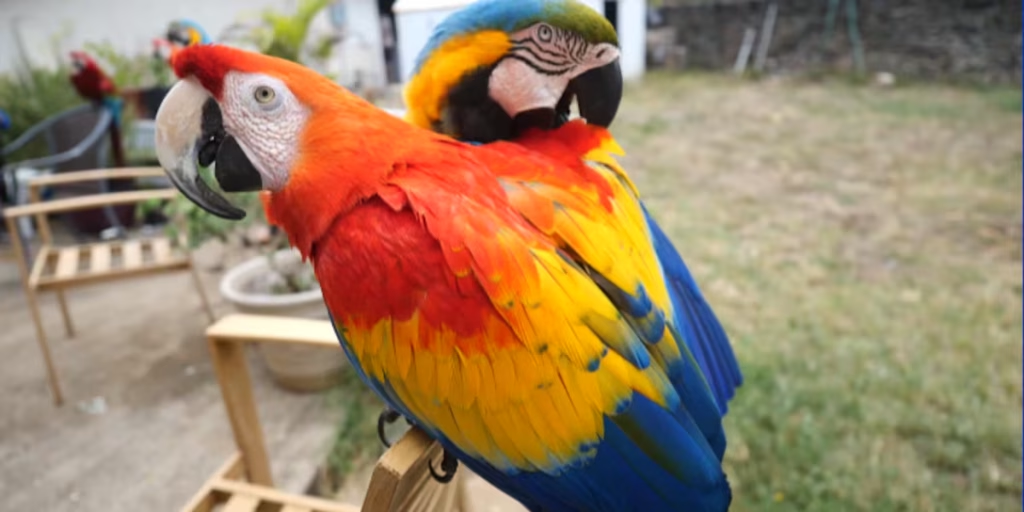

The sound of a bird screeching can be startling, especially if it echoes through the house at unexpected times. I remember how confused I felt the first time my bird started screeching without any obvious reason. Birds are expressive creatures, and their vocalizations often carry meaning. Screeching isn’t always about being loud for the sake of it, it’s their way of communicating. Over time, I learned that a bird’s screech could signal many things: boredom, fear, excitement, or even loneliness. Figuring out why a bird is screeching takes patience, observation, and a genuine desire to understand their behavior.
Bird Screeching Communication and Natural Behavior
Birds are naturally vocal animals. In the wild, they use sounds to communicate with their flock, warn about predators, or express emotions. For a pet bird, the household becomes its flock, and screeching is simply its way of getting attention or sharing feelings. Birds call out to each other frequently, and this instinct doesn’t disappear in captivity.
Parrots, cockatoos, macaws, and conures are especially vocal species. They rely heavily on sound to interact with their surroundings. I’ve realized that expecting complete silence from a bird is unrealistic. The key is distinguishing normal vocalization from excessive or distress-related screeching. Once I started to recognize the patterns and triggers, it became easier to address the behavior without frustration.
Attention-Seeking Screeches
Birds are intelligent and social, and they crave interaction with their human companions. If a bird feels ignored or lonely, it might screech just to grab attention. I’ve experienced moments when my bird would let out loud calls the moment I stepped out of the room. It wasn’t anger, it was their way of saying, “Come back!”
In such cases, the best approach is balance. Giving attention every time the bird screeches reinforces the behavior, but ignoring it completely can make the bird feel neglected. I try to reward calm, quiet behavior instead. Spending dedicated time talking, whistling, or playing with the bird reduces their need to scream for attention. They learn that calmness, not chaos, earns a response.
Boredom and Lack of Stimulation
A bored bird can quickly become a noisy bird. Birds have active minds and need constant mental and physical engagement. If they’re left alone with nothing to do, screeching becomes a form of self-entertainment or an outlet for pent-up energy.
I make sure my bird’s environment is stimulating by rotating toys, adding puzzles, and introducing new objects to explore. Foraging toys that hide small treats keep them busy for hours, encouraging natural problem-solving behavior. Background sounds, like soft music or gentle conversation, also help keep them company.
Birds confined in silent, unstimulating environments often develop repetitive behaviors, including loud calling. In my experience, even a few minutes of interactive play can dramatically reduce unwanted noise.
Fear or Startled Reactions
Sometimes screeching isn’t about attention, it’s about fear. Birds are sensitive to sudden movements, unfamiliar objects, or loud noises. A change in lighting, a barking dog, or even a new piece of furniture can cause alarm. I’ve noticed that if my bird screeches suddenly, it’s often reacting to something in the environment that I overlooked.
To ease fear-based screeching, I maintain a calm atmosphere and introduce changes gradually. Speaking softly and offering treats after a scary event reassures the bird that everything is safe. Birds take emotional cues from their owners; if I remain calm and collected, they tend to settle down faster.
Hormonal Behavior
Hormones can also trigger loud vocalizations. During breeding season, many bird species become more vocal, territorial, or restless. My parrot, for instance, becomes noticeably louder during spring and early summer. This behavior is natural, but it can be frustrating indoors.
To manage hormonal screeching, I adjust their environment slightly. Reducing daylight hours by covering the cage earlier at night can help limit hormonal stimulation. Avoiding excessive petting or offering dark nesting spaces also prevents triggering breeding behavior. Keeping their routine consistent minimizes stress and helps them calm down naturally once the hormonal phase passes.
Hunger or Basic Needs
Birds have their own way of reminding us when it’s mealtime. If I’m even slightly late feeding my bird, I’ll get a sharp series of screeches until I respond. They quickly associate sound with results, and if screeching brings food or fresh water, they’ll continue doing it.
The best solution is consistency. I maintain a fixed feeding schedule so my bird knows when to expect meals. Fresh water, clean bowls, and properly portioned food prevent unnecessary distress calls. Meeting their physical needs regularly creates a sense of security, reducing the urge to vocalize loudly.
Loneliness and Lack of Socialization
Birds are flock animals, and isolation can take a toll on their mental well-being. Prolonged loneliness can cause excessive noise as the bird calls out in search of companionship. I noticed this with a rescue parrot I once cared for, it screeched almost all day because it wasn’t used to human interaction and missed the presence of other birds.
To counter loneliness, I spend time near the cage, talking and interacting often. Even if I’m working or reading, I keep the bird within sight. Birds find comfort in routine presence. Some people also adopt a second bird, though that decision requires careful introduction and supervision.
Environmental Triggers
Changes in the environment can also trigger screeching. A new home, rearranged furniture, or unfamiliar sounds may stress a bird until it adjusts. Birds thrive on predictability, so disruptions to their space or daily routine can lead to noise outbursts.
To make adjustments smoother, I give my bird time to explore new surroundings at its own pace. Soft lighting, familiar toys, and calm speech help them feel secure again. I’ve learned that even subtle environmental changes can affect a bird’s sense of stability, so patience and reassurance are key.
Mimicking and Learned Behavior
Some birds screech because they’ve learned that it gets a reaction. If a bird sees that screeching makes people respond, whether by talking, rushing over, or scolding, it reinforces the behavior. Birds thrive on interaction, and any response can feel like a reward.
I’ve had better success using quiet reinforcement instead. If my bird stays calm or uses gentle chirps instead of loud calls, I offer praise or treats. Over time, they associate quiet behavior with positive attention, gradually reducing unnecessary noise.
Mimicking can also play a role. Birds often imitate household sounds, from phone rings to alarms, and even the laughter or yelling of humans. What may seem like random screeching might just be your bird’s way of copying what it hears most often.
Health-Related Screeching
Not all loud behavior stems from emotion or environment, sometimes, it’s a cry for help. Birds in pain or discomfort might screech more often. This can result from injuries, illnesses, or even something as simple as a feather growing in awkwardly.
I always observe for accompanying signs like loss of appetite, fluffed feathers, or unusual posture. If screeching is accompanied by other symptoms, a vet visit is essential. Birds are experts at hiding illness, so sudden behavioral changes should never be ignored.
Daily Routine and Sleep Patterns
Birds thrive on structure, and their internal clocks are closely tied to natural light. Disrupting their routine, especially their sleep, can lead to irritability and excessive noise. A bird that doesn’t get enough rest becomes cranky and vocal.
I ensure my bird gets at least 10 to 12 hours of uninterrupted sleep each night. Covering the cage with a breathable cloth and placing it in a quiet, dark area signals bedtime. A well-rested bird is calmer, happier, and less likely to screech out of fatigue.
Overstimulation and Noise Response
Ironically, too much noise can also cause screeching. Birds often respond to their surroundings, loud televisions, music, or people talking can prompt them to compete vocally. I’ve noticed that if I play music too loudly, my bird starts matching the volume.
To help, I keep noise levels moderate and ensure my bird has quiet breaks during the day. Creating calm moments helps them relax, just like it does for humans. Overstimulation can be just as harmful as boredom, and finding balance is key.
Training and Positive Reinforcement
Behavioral training can significantly reduce unnecessary screeching. I use positive reinforcement techniques to encourage desired behavior. Whenever my bird makes pleasant sounds or plays quietly, I reward it immediately with praise or a small treat.
Consistency is vital. Punishment or yelling back doesn’t work, it only increases stress and confusion. Birds respond best to calm repetition and predictable outcomes. Over time, they learn that quiet communication brings attention and rewards, while screeching doesn’t.
Building Trust Through Interaction
A trusting bird is often a quieter bird. Birds that feel safe and bonded with their owners have less need to scream for reassurance. I spend time daily talking softly, offering treats by hand, and letting my bird perch on my shoulder or arm.
This gentle interaction strengthens our bond and builds confidence. Birds that trust their environment are less anxious and less prone to loud vocalizations. They begin to associate your presence with calmness rather than needing to shout for attention.
Recognizing Individual Personality
Each bird has its own personality. Some species, like cockatoos and sun conures, are naturally louder than others. Even within the same species, personality differences can make one bird more vocal than another. Recognizing this individuality helps set realistic expectations.
I try not to suppress my bird’s natural expressions entirely. The goal isn’t silence, it’s balance. Birds communicate through sound, and occasional loudness is part of their charm. The key is ensuring the noise isn’t rooted in distress or unmet needs.
Patience and Observation
Solving loud screeching takes patience. I spend time observing my bird’s behavior patterns, noting what triggers noise and what calms it down. Each bird communicates differently, and recognizing subtle cues makes it easier to respond effectively.
For instance, my bird’s tone changes depending on the situation. A sharp screech means surprise, a repetitive one signals boredom, and a drawn-out cry indicates fear. The more I pay attention, the more I understand the emotional language behind the sounds.
Consistency and Routine as Comfort
Birds find comfort in predictability. I keep feeding, play, and sleep times consistent. A regular schedule builds trust and reduces anxiety-driven noise. Even small changes, like moving their cage or changing feeding times, can unsettle them.
I also make sure their environment feels stable. Familiar surroundings, consistent lighting, and recognizable objects make them feel safe. Once they know what to expect, the need for constant vocal reassurance decreases significantly.
Conclusion
A bird that screeches constantly isn’t just being difficult, it’s trying to communicate something important. Whether it’s loneliness, boredom, fear, or excitement, every sound carries meaning. I’ve learned that the key to peace and harmony with a pet bird is empathy and attentiveness.
Addressing loud screeching starts with understanding the cause. Meeting their physical, emotional, and social needs transforms their behavior naturally over time. A bird that feels loved, safe, and stimulated won’t need to scream for attention, it will sing because it’s content.
Living with a bird means accepting a little noise, but with patience, structure, and compassion, that noise becomes part of a joyful, mutual conversation rather than a cry for help. And once that balance is found, the bond between human and bird deepens in a way that words, or screeches, can barely describe.