
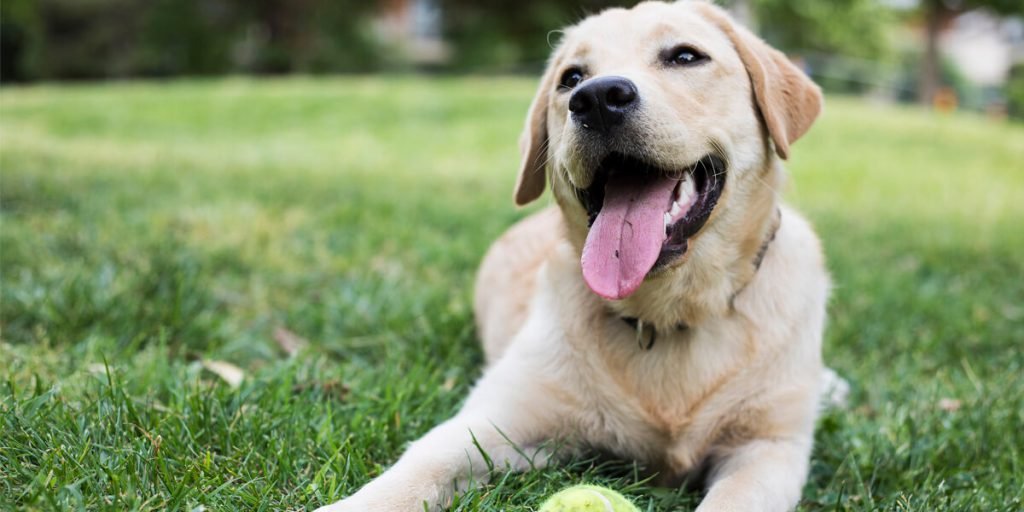

Every dog owner has witnessed that adorable moment when their dog tilts its head slightly to the side, eyes focused, ears perked, and expression curious. It’s one of the most endearing gestures in the canine world, and it always makes me pause and wonder what’s really going on in that furry head. Is my dog genuinely trying to understand me, or is it just reacting to my tone? Over time, I’ve come to realize that head tilting in dogs is a fascinating behavior rooted in communication, perception, and emotional connection.
Let’s deep dive into Why Does My Dog Tilt Its Head When I Talk?
The Role Of Sound And Hearing
Dogs hear differently from humans, and their sense of hearing is far more acute. They can detect sounds at much higher frequencies and from greater distances than we can. When a dog tilts its head, it’s often trying to get a better sense of where a sound is coming from. By adjusting the position of their ears, they can triangulate the source of a noise with greater accuracy. This behavior is similar to how we might turn our heads slightly to locate a faint sound in a crowded room.
In a quiet environment, this behavior becomes more noticeable when a familiar sound is introduced , like your voice. The tone, rhythm, and pitch of speech can trigger a dog’s curiosity. Dogs are highly responsive to emotional cues in our voices, so when you speak in an affectionate tone or say a familiar phrase like “walk” or “treat,” their brains become alert. The tilt is often a result of that auditory focus , a sign that your dog is processing what it hears and trying to decode its meaning.
Visual Perception And Facial Recognition
Dogs read faces just as much as they listen to voices. They rely on subtle visual cues to interpret emotions and intent. When you talk to your dog, especially face-to-face, tilting the head may help them see your expression more clearly. A dog’s muzzle can sometimes obstruct part of its field of vision, particularly for breeds with longer snouts. By tilting their head, they gain a clearer view of your eyes and mouth, both of which are essential for understanding your mood and intention.
This act of improving visibility has an emotional layer as well. Dogs form strong bonds with their owners and are incredibly sensitive to facial expressions. When they tilt their head, they might be trying to get a full picture of your emotional state , gauging whether you’re happy, excited, or upset. Over time, they learn that certain facial expressions accompany specific words, which reinforces their understanding and response.
Emotional Connection And Communication
Beyond sound and vision, the head tilt is a form of emotional communication. Dogs are social animals that thrive on interaction, and they’re skilled at mirroring human emotions. When they tilt their heads in response to your voice, they’re not only listening , they’re engaging. It’s their way of saying, “I’m paying attention to you.”
Many owners instinctively reward this behavior without realizing it. When we see our dogs tilt their heads, we often respond with affection, laughter, or praise. This positive feedback reinforces the gesture, teaching the dog that head tilting results in attention and rewards. Over time, some dogs may learn to tilt their heads more frequently because it gets a reaction.
This dynamic creates a subtle feedback loop between dog and owner. What begins as a natural response to auditory and visual stimuli becomes a communicative tool , one that strengthens the bond between human and pet. It’s a beautiful example of how dogs adapt to the social world we share with them.
Cognitive Processing And Attention
Another reason dogs tilt their heads might be cognitive. Research suggests that dogs process familiar words differently from unfamiliar ones. When a dog hears a phrase it recognizes, such as “let’s go” or “fetch,” its brain responds with excitement. But when it hears something new or complex, the tilt may indicate that it’s concentrating. This behavior could be similar to how humans furrow their brows when trying to understand something.
The tilt, in this case, represents focus and mental engagement. Dogs are intelligent creatures that pick up patterns in speech, tone, and even body language. When you talk to them in an animated or emotional way, they pick up on those variations and try to interpret meaning. Tilting the head might help them process auditory information more effectively, especially when they’re distinguishing between familiar words and unfamiliar ones.
Breed Differences And Physical Factors
Not all dogs tilt their heads equally. Some breeds seem to do it more often than others, and physical characteristics might play a role in that. Dogs with longer muzzles or ears that hang low may tilt their heads more frequently to enhance hearing and visibility. Breeds like Golden Retrievers, Cocker Spaniels, and German Shepherds are often seen tilting their heads because their facial structure benefits from the motion.
In contrast, breeds with flatter faces, such as Pugs or Bulldogs, may tilt their heads less often because their visual field isn’t as obstructed. That said, personality plays a big role too. Some dogs are naturally more expressive and communicative, and they might use the head tilt more as part of their social behavior.
Training Influence And Learned Behavior
Dogs are quick learners, especially when it comes to human reactions. If you’ve ever responded with excitement or laughter when your dog tilted its head, you may have unknowingly encouraged the habit. Dogs love positive reinforcement, and even small gestures of approval , a smile, a pat, or a cheerful tone , can teach them to repeat actions that get attention.
Over time, the tilt becomes more than instinctive curiosity; it becomes a learned expression. Some dogs even use it strategically to engage their owners. When you’re holding a treat or toy and your dog tilts its head, it may be partly out of anticipation but also because it has learned that this expression melts hearts. This interplay of instinct and conditioning makes head tilting one of the most charming ways dogs communicate with us.
The Role Of Empathy And Social Intelligence
Dogs are among the few animals capable of reading human emotions with remarkable accuracy. They understand our moods not only through tone and gestures but also through subtle cues in behavior and scent. When a dog tilts its head, it may be expressing empathy , a form of emotional mirroring that shows awareness of your state of mind.
Studies have shown that dogs often adjust their body language in response to their owners’ emotions. If you sound upset or anxious, your dog might tilt its head while observing you closely, as if trying to figure out what’s wrong. This shows that dogs are not only hearing words but also responding to emotional energy. Their sensitivity to human feeling is one of the reasons we form such deep connections with them.
Sound Frequency And Brain Stimulation
Head tilting also has to do with how a dog’s brain processes sounds at different frequencies. Dogs hear a broader range of frequencies than humans do, which means certain tones in our voices stand out more. A high-pitched or sing-song tone often triggers an immediate reaction. When you talk in that manner, your dog’s brain becomes more alert, and the tilt may indicate heightened attention.
The shape of a dog’s ear canal allows them to pick up sounds that we can’t perceive, and head movement helps them interpret those signals. This is especially true when they hear unfamiliar sounds , a doorbell, a new voice, or a musical note. The tilt becomes part of their auditory exploration, helping them distinguish between friendly, neutral, or alarming noises.
Situational And Environmental Triggers
You may notice your dog tilting its head more often in certain environments. For example, at home during relaxed conversations, it might tilt its head in response to your words or tone. But outdoors, where sounds are more varied, it could be reacting to multiple stimuli , birds, traffic, other dogs, or distant voices.
The setting influences how often your dog engages in the behavior. In calm surroundings, the tilt often signals focus and curiosity toward you. In busy or noisy environments, it might serve a practical purpose, helping the dog filter and locate sounds more accurately.
What Excessive Head Tilting Might Mean
While head tilting is generally harmless and endearing, excessive or persistent tilting can sometimes indicate a medical issue. Inner ear infections, vestibular disease, or neurological problems can cause a dog to hold its head at an angle. If your dog’s tilt seems unbalanced, frequent, or accompanied by loss of coordination, it’s important to consult a veterinarian.
A healthy tilt is brief, responsive, and purposeful , it happens when your dog is alert or engaged. But if your pet seems disoriented or has difficulty standing straight, the behavior might signal an underlying issue. Regular checkups can help rule out ear problems or other conditions that might affect balance and orientation.
Reinforcing Healthy Communication
As an owner, it’s rewarding to see your dog respond to your voice and expressions. Head tilting is a beautiful reminder of how closely dogs pay attention to us. You can encourage healthy communication by maintaining consistent tones, using clear cues, and rewarding engagement with affection or treats.
Talking to your dog regularly strengthens the emotional bond and reinforces trust. When your pet tilts its head, acknowledge it with a gentle smile or a kind word , not because you’re training it, but because you’re participating in a mutual exchange of attention and affection. Dogs thrive on this connection, and every small gesture deepens that relationship.
How Puppies Develop The Behavior
Puppies may not tilt their heads as often in their earliest weeks, but as they begin to associate sounds with experiences, the behavior starts to emerge. It’s part of their learning process. They begin to recognize that certain sounds , like your voice , carry meaning. With repetition and positive interaction, head tilting becomes more pronounced and expressive as they grow.
Puppies are naturally curious and observant. As they explore the world, every new sound or word is a puzzle. The head tilt reflects both their inquisitiveness and their effort to understand. When nurtured with affection, this habit becomes a lifelong part of their communication style.
Conclusion
The question “Why does my dog tilt its head when I talk?” reveals much more than a simple behavioral quirk. It’s a sign of intelligence, empathy, and connection. Each tilt represents a moment of engagement , your dog’s way of saying that your words matter. Whether it’s fine-tuning hearing, improving vision, or responding emotionally, the gesture underscores the extraordinary bond between dogs and humans.
Every time my dog tilts its head, I see more than just a cute pose. I see curiosity, attentiveness, and love. It’s a small reminder that communication between species doesn’t always need words , sometimes, it’s found in a single, silent, sideways glance that says everything.


