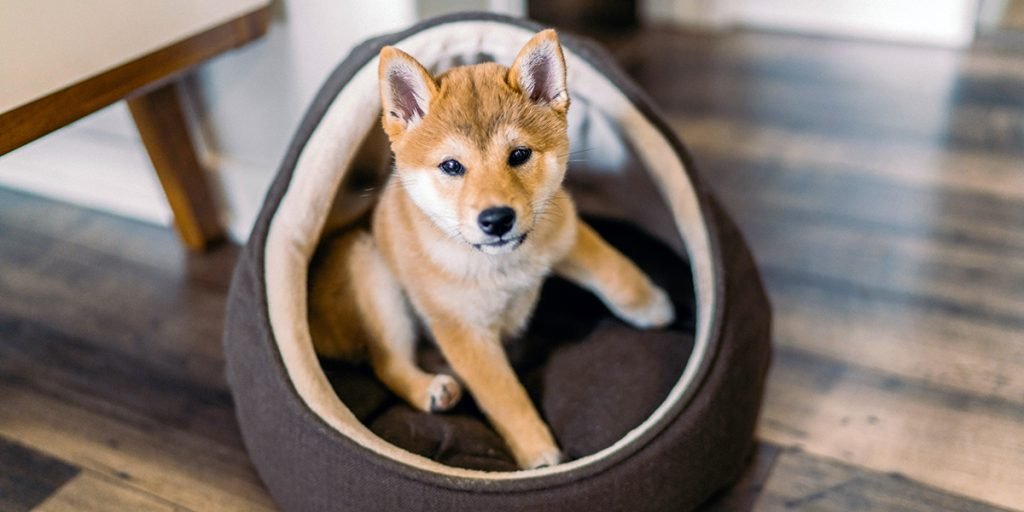

I’ve always noticed how dogs can drift into deep sleep at almost any time of day. Whether it’s in the middle of a busy afternoon or right after a short walk, many dogs seem perfectly content to curl up and nap. It can be easy to wonder if all that sleeping is normal or if it’s a sign of something deeper. The truth is, dogs do sleep a lot, far more than humans, and most of the time, it’s completely natural. But understanding why they sleep so much can help ensure their behavior is healthy and not linked to an underlying issue.
The Natural Sleep Cycle of Dogs
Dogs have very different sleep patterns from humans. While most people need about seven to nine hours of uninterrupted sleep, dogs typically need anywhere from twelve to fourteen hours of rest each day. Puppies and senior dogs may sleep even longer, sometimes up to eighteen or twenty hours a day.
Their sleep cycles are shorter, too. A dog’s sleep alternates between light dozing and short bursts of deep sleep, known as REM (rapid eye movement). They can wake up at the smallest sound, stretch, move around, and then fall back asleep easily. That’s why they might seem to be in a constant state of half-rest throughout the day.
Dogs evolved this way out of survival instincts. Wild canines had to stay alert to avoid predators or protect their pack, which meant they slept in shorter, lighter cycles. Even domesticated dogs retain these natural habits, which explains their ability to wake up quickly at the faintest noise or movement.
How Age Affects Sleep Patterns
Age plays a huge role in how much your dog sleeps. Puppies are at the top of the list because their bodies are growing rapidly. They expend a tremendous amount of energy exploring, playing, and learning. After a short burst of activity, they’ll often crash for a long nap to allow their muscles and brain to recover.
Adult dogs, especially those in their prime, tend to have a more predictable sleep schedule. They’ll rest throughout the night and take shorter naps during the day. However, the amount of sleep can still vary depending on their breed, activity level, and environment.
Older dogs, on the other hand, tend to sleep longer as their metabolism slows down and their joints stiffen. Just like aging humans, senior dogs tire more easily. They might prefer to spend much of the day resting, especially after even mild activity. It’s a normal part of the aging process as their bodies and energy levels change.
Breed and Energy Level Differences
Not all dogs have the same sleeping habits. Breed characteristics can significantly influence how much rest they need. Working breeds, such as Border Collies, Australian Shepherds, and Labrador Retrievers, often require more physical and mental stimulation. If their energy isn’t used up during the day, they might seem restless and nap less often.
In contrast, companion breeds like Bulldogs, Basset Hounds, and Shih Tzus are famous for their love of lounging. They can spend a large portion of the day snoozing without any problem. Giant breeds, such as Great Danes and Mastiffs, are also known for needing more rest because their large bodies require extra recovery time after exertion.
Every dog has a unique rhythm, but the pattern often matches their natural instincts. A highly active dog that doesn’t get enough exercise might sleep excessively out of boredom, while a laid-back breed might simply enjoy long naps as part of their normal routine.
Daily Activity and Environment
The environment you create for your dog has a direct effect on how much they sleep. A dog with a predictable daily routine, regular walks, playtime, and quiet moments, will generally have more balanced sleep patterns. If a dog doesn’t get enough mental stimulation or exercise, they may sleep excessively out of sheer boredom.
I’ve found that dogs left alone for long periods often end up sleeping because there’s nothing else to do. It’s not always a sign of fatigue but a way for them to pass time. On the other hand, if they’re overstimulated, living in a noisy household or having irregular schedules, they may experience disrupted sleep and seem more tired during the day.
Comfort also matters. A soft, quiet, and secure sleeping space helps dogs relax and get deeper rest. If your dog constantly moves from one spot to another, it might be a sign that their environment is uncomfortable, too warm, too cold, or too noisy.
Diet and Nutrition
A dog’s diet influences its energy levels and overall health. Poor-quality food or an unbalanced diet can cause lethargy, leading to increased sleeping. Dogs need a diet rich in proteins, healthy fats, and essential vitamins to maintain steady energy throughout the day.
Overfeeding can also contribute to sluggishness. A dog that eats too much may become overweight, which often results in lower activity levels and more sleep. On the other hand, underfeeding or nutritional deficiencies can make a dog tired because their body isn’t getting the fuel it needs.
I always recommend monitoring your dog’s eating habits alongside their sleep patterns. If a dog suddenly becomes drowsier than usual, checking their diet and hydration can be a good first step before assuming something is wrong.
Seasonal Changes and Weather
Many dogs tend to sleep more during colder months or gloomy weather. Just like humans, they might feel more relaxed and less motivated to move around when it’s chilly or raining outside. During winter, I notice my dogs prefer curling up under blankets or near the heater instead of going for long walks.
Conversely, hot weather can also lead to more sleep because dogs tire quickly in high temperatures. Their bodies work harder to stay cool, and they often conserve energy by resting more. It’s a normal seasonal adjustment, but owners should always ensure dogs stay hydrated and avoid overheating.
Emotional and Mental Factors
Dogs are deeply emotional animals. Stress, loneliness, or boredom can all affect their sleeping habits. If a dog is anxious, due to loud noises, separation from their owner, or changes in the household, they may sleep more as a coping mechanism.
I’ve noticed that dogs often retreat to sleep when they’re emotionally overwhelmed. It’s their way of finding comfort or escaping stress. In other cases, dogs that are lonely or under-stimulated might sleep just because they lack engagement.
Mental health is just as important as physical well-being. Spending quality time, maintaining consistent routines, and providing enrichment activities like puzzles or toys can reduce emotional fatigue and keep your dog’s sleep balanced.
Signs of Excessive Sleeping
While long hours of sleep are normal for dogs, excessive sleep can sometimes indicate a problem. A healthy adult dog typically sleeps about half the day, including nighttime rest and naps. If your dog suddenly starts sleeping far more than usual, it could be a sign of an underlying issue.
Pay attention to other symptoms accompanying increased sleep, such as loss of appetite, sluggish movement, weight gain, or changes in mood. Dogs that struggle to wake up or seem uninterested in things they usually enjoy may need a veterinary check-up.
Certain conditions, such as hypothyroidism, diabetes, or infections, can cause fatigue and lead to excessive sleeping. Sometimes, medications prescribed for other health issues can also make dogs drowsy. It’s always best to consult a vet if you notice a sudden or significant change in their energy levels.
How Age-Related Illness Affects Sleep
Older dogs often face medical conditions that contribute to longer sleep times. Arthritis, cognitive dysfunction, or general weakness can make movement painful or tiring. This often results in more naps and longer rest periods throughout the day.
Some senior dogs may also experience disrupted sleep at night, causing them to nap more during the day to compensate. If your older dog appears confused or restless during certain hours, it could be related to cognitive decline. Regular checkups can help identify these changes early and provide treatments or adjustments that make their lives more comfortable.
The Role of Physical Exercise
Physical exercise directly impacts how much and how well your dog sleeps. A well-exercised dog tends to have a deeper, more restful sleep. Without enough physical activity, dogs accumulate energy that can lead to restlessness during the night and more random naps during the day.
A healthy balance of walks, playtime, and mental stimulation is essential. I like to vary activities, long walks, games of fetch, or even agility exercises, to keep their minds and bodies active. After a good workout, dogs often sleep peacefully and wake up refreshed, ready for the next activity.
How Routine Impacts Sleep Behavior
Dogs thrive on structure. Their internal clock, known as the circadian rhythm, depends on consistent schedules. Feeding, walks, and bedtime routines help them predict what comes next, allowing their body to regulate sleep more efficiently.
Disrupting their routine, such as changing feeding times, traveling, or having irregular sleeping arrangements, can throw off their rhythm and cause changes in how much they rest. Maintaining a predictable routine supports healthy sleep patterns and reduces anxiety or restlessness.
Medical Reasons for Excessive Sleep
While many cases of frequent sleeping are harmless, some are linked to medical conditions. Thyroid disorders, heart disease, anemia, or infections can all cause fatigue. Dogs with chronic pain, such as joint issues or dental disease, may also rest more to avoid discomfort.
If your dog’s excessive sleeping is paired with heavy breathing, disinterest in play, or a noticeable drop in appetite, it’s important to visit a veterinarian. Blood tests, physical exams, and sometimes imaging can reveal underlying causes that might not be obvious otherwise.
The Importance of Monitoring Changes
Knowing your dog’s normal habits helps you recognize early warning signs. Each dog has its own sleep rhythm, and minor changes are usually nothing to worry about. However, sudden or drastic shifts, such as sleeping all day and ignoring food or walks, can be cause for concern.
I like to keep track of sleep-related behaviors just like I do feeding or exercise patterns. Observing when they sleep, how long they nap, and how alert they are afterward can help identify subtle changes that might signal a problem.
Improving Your Dog’s Sleep Quality
Helping your dog get good-quality sleep is as important as managing how much they sleep. A comfortable bed, quiet environment, and moderate room temperature make a big difference. For dogs with joint issues, orthopedic beds can provide extra support.
I also make sure my dogs have designated rest areas free from disturbances. This helps them feel secure and encourages deeper, uninterrupted sleep. Avoiding late-night feeding or overly stimulating activities before bed helps them settle down more easily.
Encouraging Healthy Activity
Balancing sleep with activity ensures your dog stays healthy. Dogs who sleep too much out of boredom can benefit from increased engagement. Interactive toys, obedience training, and social play with other dogs can reduce idle sleeping.
Adding short training sessions or games throughout the day can improve their focus and help them rest more effectively afterward. Dogs that feel mentally and physically satisfied tend to sleep the right amount, neither too little nor excessively.
Recognizing Individual Differences
Not all dogs fit into a single mold. Some naturally require more rest than others. Factors such as age, breed, health, and lifestyle all influence their sleeping patterns. The most important thing is to know what’s normal for your individual dog and support their unique rhythm.
I’ve had dogs that loved to sleep in the sun for hours and others that preferred to stay active all day with only a few naps. As long as their eating, playing, and behavior remain consistent, those patterns are usually perfectly fine.
Conclusion
Dogs sleep more than humans because their bodies and instincts are designed that way. Puppies need rest for growth, adults require naps to recover from daily activity, and older dogs rely on extra sleep to manage aging. Most of the time, long hours of sleep are a sign of comfort and security, not a problem.
Still, being observant helps catch potential issues early. If a dog suddenly starts sleeping far more than usual, seems lethargic, or loses interest in food or play, a vet check is always a good idea.
Healthy sleep reflects a healthy life. With proper nutrition, exercise, affection, and routine, your dog’s long naps are simply part of a happy, well-balanced existence. A dog that sleeps soundly is usually one that feels safe, loved, and content, and that’s exactly what every dog deserves.