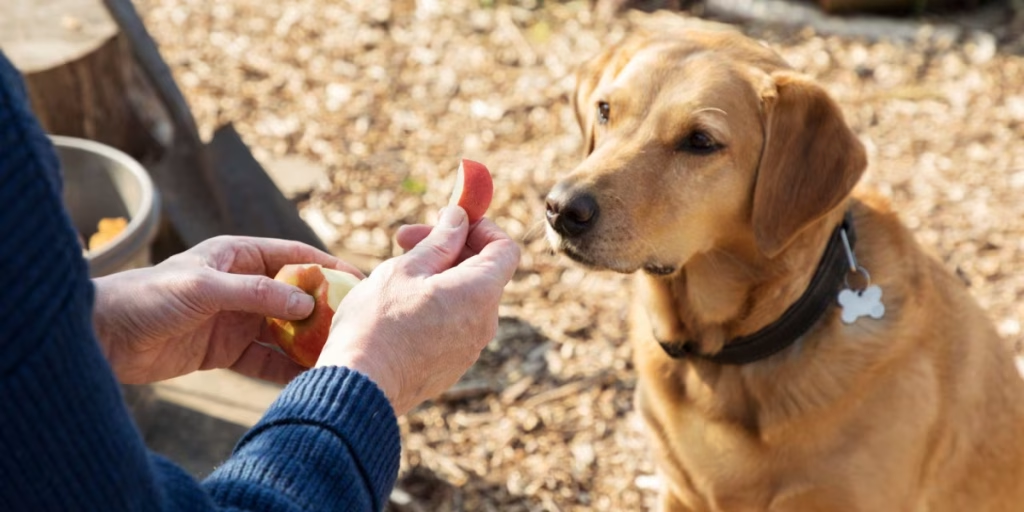

It’s a common sight for dog owners: walking from room to room only to find your dog right behind you, watching your every move. Whether you’re making coffee, folding laundry, or heading to the bathroom, your furry friend seems to have made it their mission to stay by your side. At first, it feels cute, proof that your dog loves you. But over time, it raises questions. Why does my dog follow me everywhere? Is it attachment, habit, or something deeper?
Dogs are incredibly social creatures, hardwired to form close bonds with their pack. In the wild, dogs depend on one another for safety and survival, and in a household, you become that pack leader and source of security. Following you is not just affection, it’s instinct, curiosity, and sometimes anxiety all mixed together. To truly understand this behavior, it helps to explore the reasons behind it and what it reveals about your dog’s emotions and daily life.
Seeking Comfort And Security
Dogs thrive on consistency and familiarity. You are the center of their world, the one who feeds them, walks them, and provides warmth and safety. By staying close, your dog feels reassured. The scent of your skin, the sound of your footsteps, and even the rhythm of your voice become comforting signals.
This behavior is especially strong in dogs that were adopted from shelters or had difficult pasts. For them, staying near their owner means safety. The fear of being abandoned again can make them cling more closely than usual. Puppies also tend to follow their owners because they see them as their protector. Much like they would stick close to their mother, they find security in knowing you’re nearby.
Even confident dogs can display this behavior. It’s not always about fear, sometimes it’s simply about wanting to be near the person they trust most. Dogs rely on non-verbal communication, and by staying close, they can observe your cues, movements, and emotions to understand what’s happening next.
Bonding And Pack Instinct
Dogs are pack animals by nature. In their evolutionary background, survival depended on cooperation, leadership, and unity. Every member of the pack had a role, and sticking together was key. In a household, your dog views you as their pack leader, and following you is their way of staying connected and maintaining that natural order.
This instinct explains why dogs often follow their owners even when they don’t need anything. They simply want to be part of what you’re doing. If you move to another room, they’ll follow because they think something important might be happening. Your movements are signals to them, each step could mean food, playtime, or an adventure outside.
Some breeds have stronger pack instincts than others. Working breeds like Border Collies, Australian Shepherds, and Retrievers were bred to stay close to their handlers and respond to their direction. This means that following behavior is deeply rooted in their genetics.
Curiosity And Routine
Dogs are naturally curious about human behavior. They notice patterns, and they learn from repetition. If you regularly perform certain actions, like going to the kitchen before feeding time or grabbing your shoes before a walk, your dog will connect these routines to something rewarding.
This curiosity fuels their desire to follow you everywhere. They don’t want to miss out on anything that might involve them. To your dog, your actions are full of meaning. Even mundane things like opening a cupboard or sitting on the couch could signal potential attention, play, or food.
Dogs are also creatures of habit. Once they associate following you with positive outcomes, like affection, treats, or a walk, they’re likely to repeat the behavior. It becomes part of their daily rhythm, a learned response shaped by routine and reinforcement.
Affection And Loyalty
Dogs express love through proximity. Following you is one of the purest signs of loyalty and affection. Your presence brings them joy, and they want to share their time with you. Just like humans feel comforted by being near loved ones, dogs experience emotional satisfaction when they can see, smell, and touch their favorite person.
In many ways, this behavior is their way of saying, “You are my person.” They might lie at your feet while you work, follow you to the bathroom, or curl up next to you on the couch. These actions reinforce their emotional connection and strengthen the bond between you.
While this behavior is endearing, it can become problematic if it turns into dependence. Some dogs become overly attached and struggle when left alone, which leads to separation anxiety. Recognizing the difference between affection and unhealthy attachment helps maintain balance.
Separation Anxiety And Over-Attachment
Following you everywhere can sometimes be a symptom of separation anxiety. Dogs with this condition become distressed when they’re apart from their owners, often whining, pacing, or barking when left alone. They may also destroy household items or refuse to eat until you return.
This kind of behavior usually stems from insecurity or a fear of abandonment. Dogs that have been rehomed multiple times or experienced trauma are especially prone to it. Their need to stay close is not just emotional, it’s a way to ensure you don’t disappear.
If your dog follows you constantly, even when they seem exhausted or anxious, it may be time to help them build confidence. Gradually encouraging independence through short separations can help. Start by leaving them in a different room for a few minutes and return calmly. Over time, extend the duration. Reward them when they stay relaxed, teaching them that being alone isn’t scary.
Boredom And Lack Of Stimulation
Sometimes, following behavior is less about emotion and more about lack of engagement. Dogs that don’t get enough exercise or mental stimulation often shadow their owners out of boredom. They crave activity, and since you are their main source of entertainment, they follow you in hopes that something interesting will happen.
If your dog’s day lacks variety, they’ll find excitement in your movements. Even walking to the kitchen or opening a closet becomes fascinating. The more you move, the more they follow, searching for a spark of interaction.
To reduce this, provide enrichment throughout the day. Interactive toys, puzzle feeders, training sessions, and regular walks keep their mind busy and body active. A mentally satisfied dog is less likely to rely solely on your presence for stimulation.
Reinforced Behavior Through Attention
Dogs learn from consequences. If following you leads to attention, whether it’s a pat on the head, a treat, or even a smile, they quickly associate that behavior with reward. Over time, this creates a habit. You may not even realize you’re reinforcing it each time you acknowledge their closeness.
For instance, if your dog follows you to the kitchen and you occasionally drop food or offer a snack, they’ll remember it. The same goes for petting or talking to them whenever they tag along. To a dog, that’s all positive feedback.
If you want to reduce clinginess, be mindful of how you respond. Offer attention when your dog is calm and settled in their own space instead of only when they’re at your feet. This teaches them that they don’t need to follow you to receive affection.
Breed Tendencies And Personality
Some dogs are simply more inclined to follow their owners due to breed traits. Velcro dogs, as they’re often called, are breeds known for strong attachment and loyalty. These include Labrador Retrievers, Poodles, German Shepherds, and certain toy breeds like Chihuahuas and Pomeranians.
Working dogs, in particular, are bred to cooperate closely with humans. Their intelligence and focus make them attentive to every movement and command. On the other hand, independent breeds such as Huskies or Shiba Inus may not exhibit the same level of clinginess.
Personality also plays a role. Some dogs are naturally more social or anxious than others. Early socialization, environment, and upbringing all shape how attached a dog becomes. A confident dog might follow you out of companionship, while a more insecure one does so out of need for reassurance.
Fear Of Missing Out
Dogs are prone to what could be described as a “fear of missing out.” They’re curious by nature and want to be involved in everything their favorite human does. To them, being left out feels unnatural.
If they see you preparing to leave or doing something without them, they might follow you just to stay informed. This is why many dogs become extra alert when you pick up keys, put on shoes, or grab your bag. These actions signal change, and they want to make sure they’re part of whatever comes next.
Pack Bonding In Multi-Dog Homes
Even in households with multiple dogs, it’s common for one dog to become particularly attached to a specific person. While other dogs might spread their attention around, one may choose you as their preferred human and follow you more persistently.
This happens because dogs form unique social hierarchies not only with other dogs but also with people. They recognize the individuals who give them care, attention, and leadership. Following you reinforces that bond, reflecting their trust in your role as the leader of their personal pack.
The Influence Of Routine And Consistency
Dogs feel safest in predictable environments. They memorize patterns and routines, and they often follow you simply because they anticipate what’s next. If you consistently go to the back door before letting them outside, they’ll learn to follow you there automatically.
Your movements become cues that help them understand the flow of daily life. In a way, they’re not just following you, they’re following the routine that structures their day. That’s why dogs often seem to know exactly when it’s walk time or dinner time, even before you say anything.
Signs Of Unhealthy Attachment
While following you can be normal and affectionate, it becomes problematic when your dog shows distress at being separated, even briefly. Signs of unhealthy attachment include whining when you leave the room, destructive behavior when alone, constant pacing, or refusal to eat without you present.
Dogs with these tendencies may struggle to self-soothe or engage in independent play. This level of dependence can make life stressful for both of you. Addressing it early with confidence-building exercises and gradual separation helps restore balance.
Helping Your Dog Develop Independence
Encouraging your dog to enjoy time alone is essential for their emotional health. Start with small steps, reward them for staying in their bed while you move around. Introduce interactive toys that keep them occupied without your involvement. Provide consistent routines so they know you’ll always return.
Crate training or designating a comfortable resting space can help, as it gives them a safe zone they associate with calmness. Over time, they’ll learn to relax without constantly tracking your movements.
Patience is crucial. Dogs don’t unlearn attachment behaviors overnight, but steady reinforcement of calm independence helps them build confidence.
Age And Developmental Stages
Puppies naturally follow their owners because they’re still learning about the world. They rely on you for protection and guidance. As they mature, some dogs outgrow this phase, while others retain the habit as a lifelong expression of attachment.
Older dogs, especially those with declining senses or cognitive changes, may start following you more closely again. They might feel unsure of their surroundings and seek your presence for reassurance. In these cases, patience and gentle care go a long way in helping them feel safe.
Balancing Attachment And Space
The goal isn’t to stop your dog from following you, it’s to create healthy boundaries. A balanced relationship allows your dog to feel secure with or without you in sight. It’s about teaching them that your absence isn’t a threat and that they can trust the environment around them.
Spending quality time together through play, training, and walks strengthens your bond, while alone time fosters independence. Both are equally important for emotional well-being.
Conclusion
If you’ve ever wondered, “Why does my dog follow me everywhere?” the answer lies in a mix of love, instinct, and trust. Dogs follow their owners because they crave connection and security. To them, you represent safety, companionship, and leadership.
Whether it’s affection, curiosity, or anxiety, each step they take beside you tells a story about your bond. With understanding and gentle guidance, you can nurture that relationship while also teaching your dog that independence is just as rewarding as togetherness. In the end, their loyalty isn’t a problem to fix, it’s a reflection of the unconditional love that makes dogs such remarkable companions.