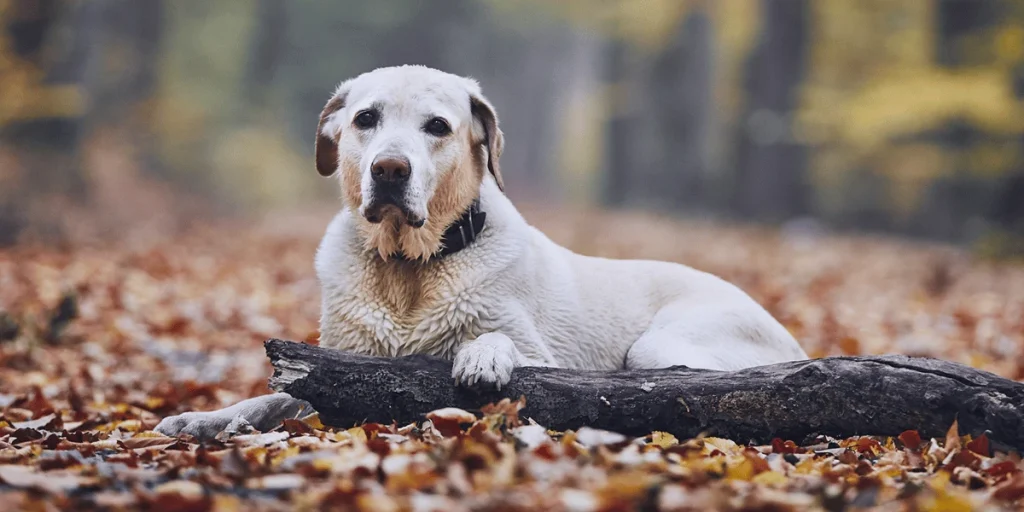

Dogs have a natural instinct to chew, and while it may be a normal behavior, it becomes frustrating when your couch, shoes, or wooden chairs become the target. I’ve dealt with this issue myself, watching my dog gnaw at the arm of a sofa as if it were a bone from the butcher. It’s easy to feel annoyed or even helpless, but the truth is, chewing serves several purposes for dogs, it can be emotional, behavioral, or even physical.
Chewing is one of the main ways dogs explore their world. From puppies cutting new teeth to adults relieving stress or boredom, chewing gives dogs comfort and satisfaction. The trick lies in understanding why your dog does it and how to redirect that behavior in a healthy way.
Natural Instincts Behind Dog Chewing
Dogs use their mouths like we use our hands. Chewing is a deeply rooted instinct that goes back to their wild ancestors who tore apart meat and bones to survive. This habit didn’t vanish through domestication. In fact, dogs still have an innate need to chew, it helps keep their teeth strong and their jaws exercised.
For puppies, chewing is a way to soothe the discomfort of teething. It relieves the pain and pressure of new teeth pushing through their gums. Adult dogs, on the other hand, chew for different reasons, sometimes out of boredom, anxiety, or simply as a way to pass time.
Chewing can also be self-rewarding. When your dog chews something, it feels good physically and releases feel-good chemicals in the brain. That’s why stopping it completely is never the goal; the aim is to redirect it toward appropriate items like chew toys.
Teething and Puppy Behavior
Puppies chew everything in sight because they’re teething. Between three weeks and six months of age, puppies lose their baby teeth and grow adult ones. During this period, their gums are sore and sensitive, so they instinctively bite, chew, and gnaw to relieve that discomfort.
If your puppy is chewing furniture, it’s not because they’re being naughty, it’s because they’re trying to feel better. The key is to guide them gently. Offering teething toys or frozen chew treats can help soothe their gums while protecting your furniture.
It’s also important to supervise your puppy closely during this stage. Puppies don’t yet understand what’s acceptable to chew. Consistency in correction and redirection makes a big difference. If you catch them chewing the wrong thing, calmly take it away and replace it with an appropriate toy. Over time, they’ll learn what’s allowed.
Boredom and Lack of Mental Stimulation
Dogs that spend long hours alone or have little to occupy their minds often resort to chewing as entertainment. It’s not unlike humans biting their nails when bored. A dog’s mind thrives on stimulation, if they’re not getting it through play, exercise, or interaction, they’ll find their own outlet, and unfortunately, your furniture may become the victim.
I’ve seen this happen often in dogs left alone for extended periods. Without enough walks, toys, or human engagement, they build up excess energy and anxiety, which leads to destructive behavior.
To combat boredom-based chewing, I like to mix mental and physical enrichment. Puzzle feeders, interactive toys, or games like hide-and-seek with treats keep dogs busy and satisfied. Regular exercise also helps burn off that extra energy, leaving them calmer and less inclined to destroy furniture.
Separation Anxiety and Emotional Triggers
Another major reason dogs chew on furniture is separation anxiety. Dogs are social creatures, they bond closely with their humans. When left alone, some experience stress or panic, and chewing becomes a coping mechanism. It’s how they soothe themselves in your absence.
You can tell if separation anxiety is behind your dog’s chewing by watching for other signs like whining, pacing, or destructive behavior shortly after you leave the house. You may also notice excessive drooling or scratching at doors and windows.
Helping a dog with separation anxiety takes patience and consistency. Gradually increasing the time you spend away helps your dog get used to solitude. Leaving behind a piece of clothing with your scent or using calming aids can also reduce their distress. In some cases, professional training or behavior therapy might be needed, especially for severe anxiety.
The Role of Diet and Health
Sometimes, chewing is linked to dietary needs or underlying health issues. Dogs may chew furniture or other non-food items if they’re missing certain nutrients, especially minerals. This condition, known as pica, can cause them to eat or chew inappropriate objects.
If you suspect that your dog’s chewing has a medical cause, a trip to the vet is essential. Your veterinarian can rule out deficiencies, dental pain, or gastrointestinal discomfort that may lead to unusual chewing habits.
Keeping your dog on a balanced, nutritious diet helps ensure they don’t turn to furniture out of physical need. High-quality food with sufficient protein, fats, and vitamins supports healthy teeth and gums while reducing unwanted chewing.
Stress, Anxiety, and Environmental Changes
Dogs can become anxious due to changes in their surroundings, such as moving houses, introducing a new pet, or even loud noises like thunderstorms. This emotional tension often manifests through chewing as a form of relief.
I once noticed my dog start chewing more during a renovation period when loud construction sounds filled the house. It wasn’t until I created a quiet, safe space for him that the behavior subsided. Dogs need consistency and security, and changes in their environment can easily unsettle them.
Providing a calm atmosphere helps your dog feel safe. Calming music, aromatherapy (dog-safe essential oils), or simply spending quiet time together can ease anxiety.
Lack of Exercise and Energy Release
Dogs with excess energy are more likely to engage in destructive chewing. Active breeds like Border Collies, Huskies, or Labradors require regular physical exercise. Without enough outlets for their energy, they’ll turn to chewing as an alternative.
Daily walks, runs, or play sessions can make a huge difference. I’ve found that even an extra 20 minutes of fetch or tug-of-war can drastically reduce furniture chewing. Exercise doesn’t just tire your dog physically; it relaxes them mentally.
For highly active dogs, try agility training, swimming, or even dog sports. Giving them a sense of purpose satisfies their natural instincts and reduces boredom-driven destruction.
Providing the Right Chew Toys
Dogs need to chew, but they should have the right things to chew on. Offering durable, safe toys can redirect their natural chewing instincts away from your furniture. I like to keep a variety of textures available, such as rubber, rope, and nylon toys. This prevents boredom and satisfies their chewing urge.
Rotating toys every few days keeps them exciting. You can also stuff puzzle toys with peanut butter or treats to make chewing even more rewarding. Supervise playtime, especially if your dog tends to destroy toys quickly. Always choose items that are size-appropriate and made from non-toxic materials.
Chew toys also help maintain dental health by cleaning teeth and reducing plaque buildup. It’s a win-win for both you and your dog.
Training and Behavioral Correction
Training plays a vital role in curbing destructive chewing. Dogs don’t instinctively know what’s acceptable to chew; they need to be taught. The best approach is positive reinforcement, rewarding good behavior rather than punishing bad ones.
If you catch your dog in the act of chewing furniture, calmly say “no” and replace the item with a chew toy. When they start chewing the right thing, praise and reward them. Over time, they’ll associate appropriate chewing with positive outcomes.
Avoid yelling or punishing your dog for chewing. Negative reactions can increase anxiety and worsen the problem. Patience and consistency work far better.
Using deterrent sprays on furniture can also discourage chewing. These sprays have a bitter taste that dogs dislike but are safe for use on most surfaces.
Building a Dog-Friendly Home
Preventing destructive chewing starts with creating a dog-friendly space. Keeping temptations out of reach, offering designated chew areas, and maintaining structure all help. Make sure your dog has access to toys, comfort items, and resting spaces.
Puppy-proofing your home is especially important. Remove or secure cables, shoes, and items that might tempt your dog. A crate or playpen can provide a safe zone when you’re not around, giving your dog comfort and boundaries.
Consistency is key in managing behavior. If furniture chewing only happens when you’re away, consider crate training or leaving the dog in a confined space with safe toys until they learn self-control.
How to Handle Recurring Chewing
If your dog keeps returning to the same piece of furniture, it could be due to residual scent or habit. Clean the area thoroughly with an enzymatic cleaner to remove any lingering smell that may attract them.
You can also block access to certain rooms or furniture until the behavior improves. Using baby gates or barriers helps manage the environment while your dog learns better habits.
In cases where chewing persists despite your efforts, consulting a professional dog trainer or behaviorist can uncover underlying issues that may not be obvious.
Conclusion
Dogs chew on furniture for many reasons, from natural instincts and teething to boredom, anxiety, and lack of exercise. It’s a behavior that can be corrected with patience, proper guidance, and understanding of your dog’s needs.
Redirecting chewing toward safe toys, providing mental and physical stimulation, and maintaining a consistent routine can make a world of difference. Dogs thrive on structure, love, and engagement, and when their emotional and physical needs are met, destructive chewing often fades away naturally.
I’ve found that once you identify the root cause, it becomes easier to work with your dog rather than against them. They’re not acting out of defiance, they’re communicating in the only way they know how. With care, attention, and a few adjustments, your furniture can stay intact, and your dog can stay happy and healthy.