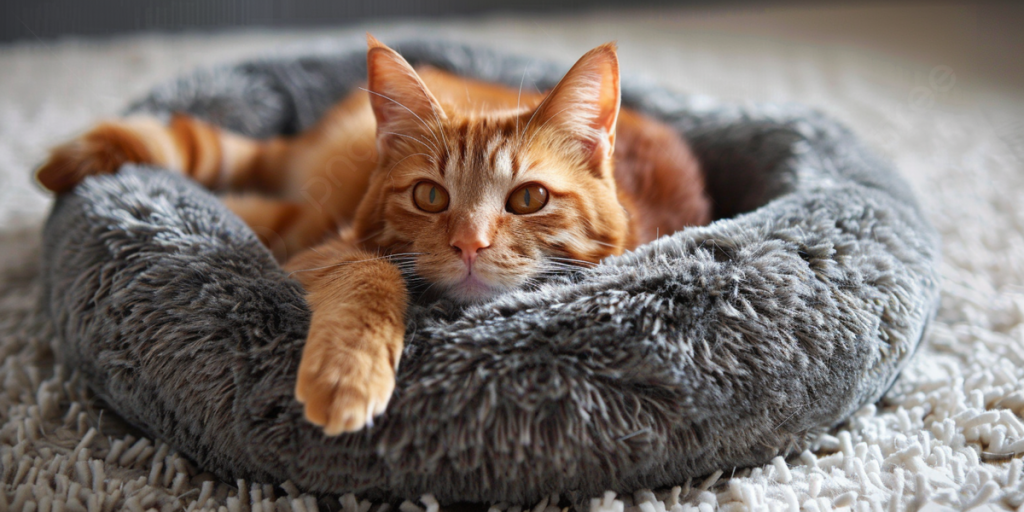

Cats have a way of turning ordinary moments into small mysteries. One of the quirkiest and most frustrating behaviors I’ve observed is how they seem obsessed with knocking things off tables, counters, or shelves. Whether it’s a pen, glass, phone, or keys, it’s as if no object is safe from their curious paws. Watching a cat gently tap something until it falls can make you wonder, are they bored, seeking attention, or just being mischievous?
Over time, I’ve realized this behavior isn’t random. It’s deeply rooted in feline instincts, communication, and curiosity. To understand why cats do this and how to manage it, it helps to look at their natural behaviors, environment, and emotional needs.
Natural Hunting Instincts at Play
Cats are predators by nature, even if they spend their entire lives indoors. Knocking objects off tables often stems from their hunting instincts. In the wild, cats test the movement of potential prey by batting at it with their paws. This helps them determine if something is alive and worth chasing.
A moving pen or rolling coin might mimic the unpredictable motion of prey, triggering that instinct to bat and pounce. From your cat’s perspective, this isn’t misbehavior, it’s a form of practice. They’re honing their coordination and satisfying their instinct to stalk and strike.
Even well-fed indoor cats have this need. Since they don’t have live prey to hunt, they redirect that energy toward nearby objects. I’ve noticed my cat especially targets lightweight items that make a satisfying clatter when they hit the floor, which adds to the thrill. It’s a harmless but instinctive outlet for their inner hunter.
Curiosity and Exploration
Cats are naturally curious creatures. They use their paws the way humans use their hands, to explore their surroundings. By touching or moving an object, they gather information about its texture, weight, and sound. Knocking something off a table is simply their way of investigating how it reacts to their touch.
For a cat, cause and effect is fascinating. If they tap a glass and it wobbles, they’ll often push harder to see what happens next. Once it falls, they might jump down to inspect their handiwork. It’s not defiance, it’s curiosity in action.
I’ve found that cats often do this more in new environments or after you’ve rearranged furniture or décor. They’re checking out changes in their territory, making sure everything is familiar again. So, what looks like destruction might just be a feline version of exploring and understanding their environment.
Attention-Seeking Behavior
Cats are masters at observing our reactions. If knocking an object off a table gets a big response, like us running over, talking to them, or scolding them, they quickly learn that this behavior gets attention. For a cat, any reaction is better than being ignored.
I’ve seen this pattern often, especially if I’ve been busy or distracted. My cat might start batting at a pen or my phone, watching closely to see if I’ll respond. Once they realize it works, they repeat it whenever they want engagement. It’s their version of saying, “Look at me!”
The best way to discourage attention-seeking behavior like this is not to give it power. Reacting too strongly reinforces it. Instead, redirecting their energy toward a toy or playtime can teach them that they’ll get attention in more positive ways.
Boredom and Lack of Stimulation
Indoor cats, especially those left alone for long stretches, can become bored. With limited outlets for their energy, they start to entertain themselves in creative ways, like batting objects off tables. It becomes a game that provides instant results: sound, motion, and maybe even your attention.
Boredom-driven mischief is common in intelligent, high-energy breeds like Bengals, Siamese, and Abyssinians. These cats crave stimulation and will invent their own fun if they don’t get enough. I’ve noticed that once I increased interactive play sessions and added enrichment like puzzle feeders and window perches, my cat’s destructive curiosity decreased significantly.
Playtime that mimics hunting, such as chasing feather wands or toy mice, helps satisfy that same instinct that leads them to push objects off tables. Providing stimulation reduces the urge to create excitement by knocking things down.
Testing Boundaries
Cats are clever and often test limits to see what they can get away with. They might knock objects off the table simply to observe your reaction. It’s their way of testing the rules of the household. If you rush over every time they do it, they may view that as part of the fun.
This behavior is similar to a toddler throwing food from a high chair just to see what happens. Cats experiment with their surroundings and human responses. If you consistently react the same way, calmly removing the object and redirecting their attention, they’ll eventually learn that knocking things down doesn’t lead to an exciting outcome.
Territory and Control
Cats are territorial animals, and they view your home as their domain. By knocking objects off surfaces, they might be marking or asserting ownership over their space. Cats have scent glands on their paws, and touching or moving objects helps spread their scent around. It’s their way of saying, “This is mine.”
This becomes especially noticeable if a new object or piece of furniture appears in the home. A cat may bat at or push it off the table to assert dominance over the unfamiliar addition. It’s less about being naughty and more about reinforcing a sense of security in their environment.
Sensory Exploration
Cats experience the world through their senses. Touch, sound, and sight all play a role in how they interact with their environment. Knocking objects off tables provides a sensory experience, they can feel the object move, hear it crash, and watch it fall.
That multisensory feedback is stimulating and satisfying to them. I’ve noticed my cat seems particularly drawn to objects that make unique noises, like metallic pens or ceramic mugs. It’s not about destruction; it’s about sensory engagement.
Providing alternative outlets for sensory play, like crinkly toys or hanging mobiles, can satisfy this need without putting your belongings at risk.
How to Prevent or Manage the Behavior
While it’s natural for cats to knock things down, it can still be frustrating or even dangerous, especially if they break glass items or knock over drinks near electronics. Preventing the behavior involves addressing the cause rather than just the symptom.
Here’s what has worked for me over time:
1. Remove Temptations
Keep fragile or valuable items out of reach. Cats will target objects within easy paw distance, so moving items like glasses, vases, or small decorations to more secure locations can make a big difference.
2. Increase Playtime
A tired cat is less likely to look for trouble. Engaging your cat in daily interactive play, especially sessions that mimic hunting, burns off excess energy and fulfills their natural instincts.
3. Provide Enrichment
Environmental enrichment can go a long way in curbing boredom. Puzzle feeders, treat-dispensing toys, scratching posts, and climbing trees all keep your cat occupied and mentally engaged. Rotating toys weekly keeps things fresh.
4. Avoid Overreacting
Cats often enjoy our reactions, even negative ones. If your cat knocks something off and you yell or rush over, they might interpret that as entertainment. Instead, stay calm and quietly remove the object. Redirect their attention to a toy or scratching post.
5. Use Deterrents
If your cat consistently targets one area, deterrents like double-sided tape, citrus-scented sprays, or motion-activated air devices can discourage them. Cats dislike sticky or strong-smelling surfaces and will usually avoid those spots.
6. Reward Good Behavior
Positive reinforcement is key. Reward your cat with treats, petting, or praise when they engage with toys instead of household objects. Over time, they’ll associate proper play with good outcomes.
7. Add Vertical Spaces
Cats love height and vantage points. If your cat keeps jumping on tables or counters, giving them their own designated climbing areas, like cat trees, wall shelves, or window perches, can redirect their climbing instincts.
8. Keep Them Mentally Stimulated
Boredom often leads to mischief. Training sessions, food puzzles, and even clicker training can challenge a cat’s mind and reduce unwanted behaviors. Cats that feel mentally satisfied are less likely to engage in destructive play.
Addressing Persistent Behavior
If your cat continues knocking things over despite your best efforts, it might be worth discussing the issue with your vet. Persistent or compulsive behaviors can sometimes indicate anxiety, stress, or medical issues. Cats experiencing discomfort or insecurity may engage in repetitive actions to self-soothe.
Your vet can help rule out health concerns and may suggest behavioral modification techniques or pheromone products that promote calmness. In some cases, working with a feline behaviorist can help identify specific triggers and create a tailored plan for your cat’s environment.
Why It’s Important to Be Patient
Changing behavior takes time, especially with cats. They’re independent thinkers and don’t always respond immediately to training. Patience and consistency are essential. Each cat has its own personality, so what works for one may not work for another.
I’ve learned that punishing or scolding a cat rarely helps. It can actually increase anxiety and make the problem worse. Instead, building trust and providing proper outlets for play and curiosity create lasting results. The goal is not to suppress natural instincts, but to guide them in healthier directions.
Accepting a Bit of Cat Mischief
At the end of the day, knocking things off tables is part of what makes cats so uniquely feline. It’s a behavior rooted in curiosity, intelligence, and instinct. While it can be annoying, it’s also a reminder of how playful and inquisitive cats are.
I’ve learned to see these moments with humor rather than frustration. With a bit of management, proper enrichment, and understanding, it’s possible to protect your belongings while letting your cat express their natural behavior.
Conclusion
So, why does your cat knock things off the table? It’s a mix of instinct, curiosity, and communication. They’re exploring, hunting, and sometimes just trying to get your attention. While it can be inconvenient, this behavior tells us a lot about how cats think and interact with the world around them.
Preventing it isn’t about punishing curiosity but redirecting it. Providing stimulation, playtime, and safe exploration spaces gives your cat healthier ways to express their natural instincts.
Over time, I’ve realized that every clink or crash is just another way my cat reminds me of their cleverness and independence. They may knock things over, but they also fill life with laughter, surprise, and moments that remind us why we love sharing our homes with them in the first place.