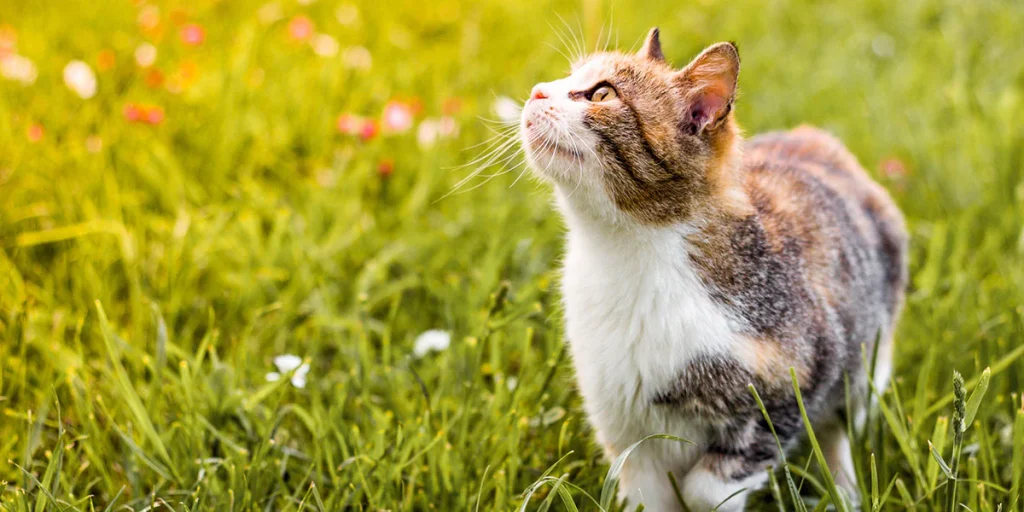

Cats are fascinating creatures, each with their own quirks that make them both mysterious and lovable. One behavior that often leaves cat owners puzzled is kneading, the rhythmic pressing of their paws against a soft surface, which often happens to be their human. It’s a behavior that can feel both endearing and confusing, especially when your cat’s sharp claws make contact with your lap. Over time, I began to notice patterns in my cat’s kneading habits, and that led me to explore what it really means when a cat kneads you.
Let’s deep dive into Why Does My Cat Knead Me?
What Cat Kneading Looks Like
If you’ve ever had your cat climb onto your lap, settle in, and begin to press their front paws alternately against you, you’ve witnessed kneading in action. Sometimes they purr loudly while doing it, their eyes half-closed, as if lost in thought. Other times, they might knead a blanket, pillow, or even a piece of clothing that smells like you. The motion looks almost like they’re giving a soft massage, but for cats, it’s instinctive.
This rhythmic motion often begins in kittenhood. Kittens knead their mother’s belly to stimulate milk flow while nursing. It’s a deeply ingrained behavior, one that sticks with them even into adulthood. So when your cat kneads you, they’re not trying to milk you, they’re expressing something more emotional, more connected to their sense of comfort and affection.
A Sign Of Comfort And Security
One of the most common reasons cats knead their humans is because they feel safe and content. The action brings back the same feelings they experienced as kittens, warmth, safety, and closeness. When my cat curls up beside me and begins to knead, I can tell it’s her way of showing that she’s at ease. Her body relaxes, her purring grows stronger, and she eventually drifts off to sleep.
Cats are creatures of habit. When they find a human who makes them feel calm and secure, they naturally associate that person with those same comforting sensations they experienced early in life. So, if your cat kneads you often, it’s a compliment, it means they see you as a trusted source of safety and affection.
Marking You As Their Territory
Cats are also highly territorial animals, and kneading can be one of the ways they mark their territory. When a cat presses its paws into your skin, it’s not just a sign of affection, it’s also a subtle way of claiming you as theirs. Cats have scent glands located in the pads of their paws. Each press releases tiny amounts of their scent onto whatever they’re kneading.
That means when your cat kneads you, they’re essentially saying, “You belong to me.” It might sound possessive, but for a cat, this behavior is actually a display of love and trust. It’s their way of mixing your scent with theirs, creating a shared sense of belonging that only strengthens their bond with you.
Preparing A Nest Or Resting Spot
In the wild, cats instinctively knead to create a comfortable resting place. Before lying down, they often pat down tall grass or leaves to make a soft surface to sleep on. This natural nesting instinct still lives in domestic cats today. When they knead your lap, a blanket, or your favorite sweater, they’re simply trying to make their spot more comfortable before settling in.
I’ve noticed my cat does this most when she’s about to nap. She’ll spend a few moments pressing and turning in circles until she’s satisfied with her “bed,” then curl up in the same spot. It’s a behavior that connects her domesticated life with the instincts of her wild ancestors, a small but fascinating reminder of her natural heritage.
Expressing Affection
Kneading is also a sign of affection. Cats may not express love in the same way dogs do, but their gestures are just as meaningful. When a cat kneads you, it’s one of the purest forms of feline love. It’s their way of saying, “I trust you,” and “You make me feel good.” The purring that often accompanies kneading only reinforces that emotional connection.
Cats reserve their most intimate behaviors for people they deeply trust. So if your cat kneads only you and not other members of your household, it’s a special bond. They’re showing vulnerability, sharing a behavior rooted in childhood, and demonstrating a sense of belonging that goes beyond simple companionship.
A Way To Relieve Stress
Just as humans find comfort in repetitive movements, like fidgeting, tapping, or even knitting, cats may use kneading as a way to relieve stress. The steady rhythm and the physical contact help calm them down. Some cats knead when they’re anxious or uncertain, almost like self-soothing.
I’ve noticed that my cat sometimes kneads when guests visit or when there’s loud noise outside. It’s her way of releasing nervous energy. Instead of hiding, she finds comfort in the familiar motion and the scent of her surroundings. If your cat tends to knead more during stressful situations, it’s likely their natural coping mechanism.
A Sign Of Excitement
Not all kneading is about relaxation. Sometimes cats knead when they’re excited or happy. You might notice this when you’re preparing their favorite meal or when you return home after a long day. The behavior can be their way of showing joy or anticipation.
In these moments, kneading acts like an emotional outlet. Just as we might smile or clap when something makes us happy, a cat might instinctively start kneading to express their excitement. This form of communication might seem subtle, but it’s deeply tied to their emotions and sense of attachment.
The Role Of Hormones And Maturity
Kneading can also be influenced by hormones, particularly in female cats. Some unspayed females knead more frequently when they’re in heat. This behavior can be linked to mating instincts and may be accompanied by vocalization or rolling around. While this kind of kneading has a different origin, it still reflects the cat’s natural instincts.
For neutered or spayed cats, kneading tends to remain a comforting, affectionate act rather than a hormonal one. Over time, as cats mature, they often develop their own kneading “style.” Some prefer soft blankets, while others are drawn to their owners’ laps or even specific textures around the home.
How To Handle Painful Kneading
As much as we love the affection behind it, kneading can sometimes hurt, especially when sharp claws are involved. It’s important to manage this without discouraging the behavior entirely. Trimming your cat’s nails regularly can help minimize discomfort. Providing soft blankets or cushions can also redirect their kneading away from your skin.
When my cat’s claws became too sharp, I started keeping a fleece throw on my lap. She still kneads me, but now her claws sink into the fabric instead of my legs. This simple adjustment allowed her to continue expressing her affection while keeping me comfortable.
Avoid scolding your cat for kneading, as this can confuse them and create anxiety. Instead, gently guide them toward a more suitable surface. Cats respond best to calm redirection rather than punishment, and they’ll quickly learn what’s acceptable.
When Kneading Becomes Excessive
In most cases, kneading is harmless and even endearing. However, if your cat begins to knead excessively, especially to the point of drooling, biting, or appearing restless, it could be a sign of overattachment or stress. Sometimes this happens in cats that were weaned too early or those experiencing separation anxiety.
Providing more enrichment through play, interactive toys, and attention can help balance their emotions. Creating a routine that includes dedicated bonding time can reduce anxiety and prevent obsessive behaviors. If the kneading seems compulsive or your cat appears distressed, consulting a vet or animal behaviorist can provide insight and guidance.
How To Encourage Healthy Kneading
Kneading is part of a cat’s emotional and physical well-being. Encouraging it in healthy ways helps strengthen your relationship. Make sure your cat has cozy spots around the house, plush blankets, cat beds, or even soft laundry piles they can safely knead.
Cats love familiarity. If a certain texture or scent seems to comfort them, allow them access to it. This small act of accommodation can go a long way in building trust. Some cats even enjoy designated kneading toys, especially those infused with catnip or soft padding that mimics a warm lap.
Reading Your Cat’s Body Language
Every cat’s kneading behavior tells a story, and understanding their body language helps you interpret it. If your cat kneads while purring and maintaining soft eye contact, it’s a display of affection and contentment. If they knead while restless or twitching their tail, they may be anxious or overstimulated.
Paying attention to these small cues helps you respond appropriately. Offering gentle petting or calming words when your cat is relaxed reinforces positive associations. On the other hand, giving them space when they seem uneasy prevents stress from escalating.
Strengthening The Bond Through Trust
At its core, kneading is about trust. A cat won’t knead on someone they don’t feel safe with. It’s a behavior reserved for those they consider part of their inner circle. The rhythmic motion is an act of vulnerability, one that carries traces of their earliest memories and instincts.
When my cat kneads me, I’ve learned to see it as her version of a hug. It’s silent, instinctive, and deeply meaningful. By allowing her to knead, I’m accepting that gesture of trust and responding with calm, gentle affection. It’s one of the purest forms of communication between a cat and its human.
Conclusion
Kneading might look like a simple action, but it’s layered with emotion, instinct, and history. From showing affection and marking territory to relieving stress and preparing a resting spot, this behavior connects your cat to its ancestral roots while expressing its feelings toward you.
So, the next time your cat curls up on your lap, presses their paws into you, and purrs softly, remember that it’s not random. It’s their way of saying they feel safe, loved, and content in your presence. Behind those gentle motions lies a deep bond that words can’t express, one built on comfort, trust, and the timeless rhythm of a cat’s affection.