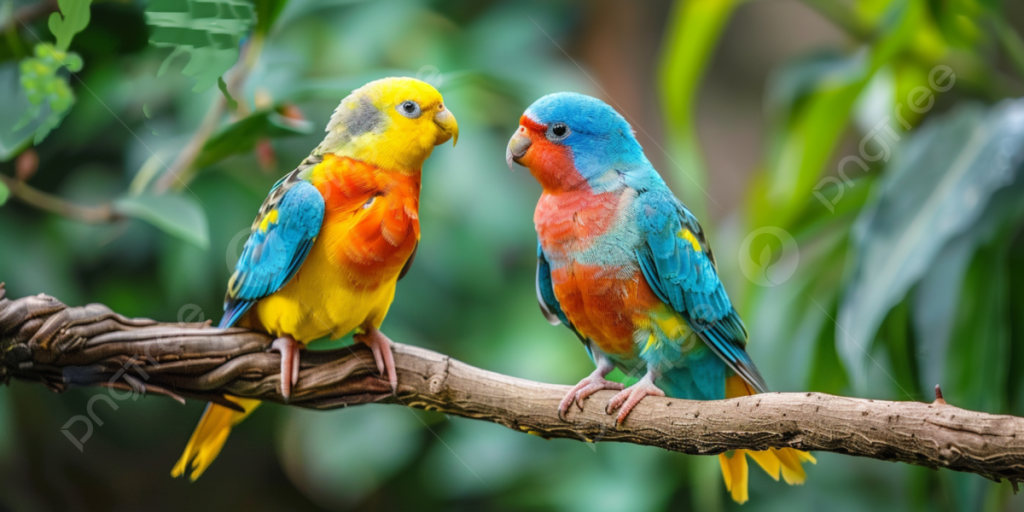

Watching a bird bob its head can be one of the most fascinating behaviors to observe. At first, it may seem like a random or amusing movement, but head bobbing is actually full of meaning. Birds use their body language to communicate a variety of emotions and needs, and head bobbing is one of their most expressive gestures. Over time, I realized that the context, environment, and timing of the movement often reveal exactly what my bird is trying to say. From excitement and attention-seeking to hunger or courtship, head bobbing can tell me a great deal about how my bird feels.
Expressing Excitement and Happiness
One of the most common reasons birds bob their heads is pure excitement. I often notice my bird doing this whenever I enter the room, play music, or talk to it enthusiastically. It’s almost as if it’s dancing along or greeting me in its own way. Birds are social creatures, and they respond strongly to interaction. Head bobbing, in these moments, becomes a joyful expression, much like wagging in dogs or purring in cats.
Some birds even develop a rhythm, matching their head movements to sounds or speech patterns. Parrots, cockatiels, and parakeets are especially prone to this behavior. I find it endearing because it shows they’re alert, happy, and engaged. It’s also a sign that the bird feels safe and connected enough to express its emotions freely.
Seeking Attention
Sometimes, head bobbing is a direct request for attention. Birds are intelligent and learn patterns quickly. Mine figured out early on that whenever it bobs its head, I tend to respond by talking or moving closer. Eventually, the behavior turned into a form of communication. Birds that form close bonds with their owners often use body language to initiate interaction.
If I’ve been busy or distracted for too long, my bird starts bobbing more insistently, especially if I’m nearby but not engaging. This kind of head bobbing is usually accompanied by vocalizations or gentle chirps. It’s a reminder that birds thrive on social connection. Ignoring them for extended periods can make them anxious or lonely, so responding positively helps reinforce trust and affection.
Signaling Hunger or Begging for Food
Young birds are notorious for bobbing their heads to signal hunger. It’s a natural instinct they carry from the time they’re chicks. In the wild, baby birds bob their heads to encourage their parents to regurgitate food. Even as they mature, some retain this behavior as a learned signal.
When I notice my bird bobbing its head near feeding time or while I’m eating, I know it’s asking for food or treats. It often combines the movement with chirping or fluttering its wings. I’ve learned to distinguish between playful bobbing and begging behavior based on the timing. Feeding schedules, variety, and interaction during mealtime can all influence how often birds display this movement.
Displaying Courtship Behavior
In many species, head bobbing plays a significant role in courtship. Male birds, in particular, use exaggerated movements to attract mates or assert dominance. The bobbing is often paired with vocalizations, feather fluffing, or tail fanning.
If my bird starts performing this behavior repeatedly, especially toward its reflection or another bird, it’s usually showing off or displaying affection. I’ve noticed this happen more frequently during the breeding season, even in pet birds that live alone. They may direct the behavior at mirrors, toys, or even people they bond with. It’s a natural and harmless display, although it can become excessive if the bird is overly stimulated.
Communicating with Other Birds
Birds communicate constantly through body language. Head bobbing is part of how they convey messages to other members of their flock. In multi-bird households, I’ve seen one bird start bobbing its head while another responds with vocal calls or mirroring gestures. This back-and-forth communication can establish social bonds, set boundaries, or express excitement.
In parrots and parakeets, this interaction helps strengthen flock dynamics. The movement is often a friendly gesture rather than a threat. Observing these exchanges closely helps me understand the social relationships between my birds. It’s also a way to gauge whether they’re getting along or competing for attention.
Showing Dominance or Assertiveness
Not all head bobbing is affectionate or friendly. In some cases, it’s a way of displaying dominance or territorial behavior. Larger parrots and cockatoos, for example, may bob their heads sharply while raising their feathers and widening their stance. This type of movement tends to be more rigid and deliberate, often accompanied by a fixed stare or aggressive vocalizations.
When I notice this type of body language, I avoid sudden movements or direct eye contact. It’s a sign that the bird feels the need to assert control or defend its space. Allowing it to calm down on its own helps prevent bites or confrontations. Over time, consistent and gentle handling reduces the frequency of such displays.
Mimicking Human Movements
Birds are observant creatures and often mimic their owners. I’ve caught my bird tilting and bobbing its head as if imitating the way I move or talk. Birds learn by observing patterns, and repetitive human gestures can easily influence their behavior. If I nod my head or move rhythmically while speaking, my bird tends to copy the motion.
This imitation isn’t just amusing, it’s also a sign of intelligence and bonding. Birds that mimic their owners are demonstrating a high level of trust and engagement. It’s their way of joining in social behavior, bridging the communication gap between species.
Reacting to Music or Sounds
Music has a unique effect on birds. Many will start bobbing their heads as soon as they hear a catchy rhythm. The movement is instinctive, similar to how humans tap their feet or sway to music. I’ve experimented with different genres and noticed that my bird responds more energetically to upbeat sounds and rhythmic beats.
This reaction isn’t just random movement, it reflects auditory stimulation and enjoyment. Birds are sensitive to sound frequencies, and music that mirrors their natural calls can excite them. However, not all birds enjoy loud or unpredictable music. Paying attention to how a bird reacts helps determine which sounds bring comfort and which cause stress.
Responding to Stress or Anxiety
While head bobbing can be positive, sometimes it signals stress or agitation. Repetitive or frantic bobbing without any clear trigger may indicate discomfort. This can happen if the bird is exposed to excessive noise, unfamiliar surroundings, or sudden changes in routine.
I once noticed my bird bobbing its head rapidly whenever a new household pet approached its cage. The movement was less rhythmic and more tense, clearly reflecting anxiety. In such cases, I reduce the stress factors by adjusting the environment, moving the cage, lowering noise levels, or providing familiar toys.
If the behavior continues excessively, it might be a sign of an underlying health issue. Birds sometimes develop repetitive behaviors due to frustration or illness, so monitoring the frequency and context is essential.
Indicating Nausea or Discomfort
Though rare, head bobbing can sometimes point to physical discomfort. Birds may move their heads repeatedly if they’re feeling nauseous, struggling to swallow, or experiencing a throat obstruction. If I see this combined with signs like regurgitation, lethargy, or lack of appetite, I know it’s time to consult a veterinarian.
It’s important not to confuse normal regurgitation, a natural bonding behavior, with illness. Birds sometimes regurgitate as an act of affection toward their owners or favorite toys. However, excessive or involuntary movements should always be checked by a professional to rule out infections or digestive issues.
Showing Affection and Bonding
Head bobbing can be one of the most affectionate gestures a bird makes. When directed at me, it often means my bird feels close and comfortable. Some birds gently bob their heads or nuzzle when being petted, expressing affection similar to cuddling.
In parrots, cockatiels, and lovebirds, this is a common bonding behavior. They may even pair it with soft chirps or gentle nibbling. Recognizing this sign helps deepen the connection, as responding with calm interaction and verbal affection strengthens trust.
Engaging in Playful Behavior
Playfulness is another reason birds bob their heads. During play sessions, my bird often moves its head rhythmically while tossing toys or exploring. It’s part of how it expresses excitement and joy. This movement is especially visible when the bird is interacting with mirrors or shiny objects, as it’s curious about the reflection and reacts animatedly.
Providing toys that encourage activity, such as hanging ropes, bells, and puzzle feeders, helps channel this energy constructively. A stimulated bird is a happy one, and head bobbing during playtime usually indicates contentment and engagement.
Reflecting Curiosity
Birds are naturally inquisitive, and head bobbing can simply mean they’re curious about something new. I’ve seen my bird tilt and bob its head while examining unfamiliar objects, people, or sounds. It’s as if it’s trying to gather information from different angles. This behavior often appears alongside alert postures and bright, focused eyes.
By observing the direction and pace of the bobbing, I can usually tell what has caught its attention. Encouraging this curiosity through safe exploration helps enrich the bird’s environment and keeps its mind active.
Developing Habits from Repetition
In some cases, head bobbing becomes a habitual behavior. Birds that experience frequent stimulation or repetitive routines may continue the motion out of habit. I’ve seen this happen in birds that get excited at certain times of day, like feeding or greeting hours. Over time, the behavior becomes a routine expression of anticipation.
This kind of repetition is usually harmless as long as it’s not excessive or obsessive. However, sudden increases in the frequency or intensity of the bobbing could point to stress or boredom. Maintaining a varied routine and offering environmental enrichment helps prevent repetitive behaviors from turning compulsive.
Displaying Learned Responses
Birds are quick learners. They associate head bobbing with getting a reaction from people. If I laugh, talk, or reward my bird whenever it bobs its head, it begins to repeat the behavior intentionally. This learned response is part of their social intelligence. They quickly pick up on which actions capture attention and repeat them for reinforcement.
This makes head bobbing a useful tool for training. By pairing the movement with cues or rewards, I can teach my bird to respond to specific commands. Positive reinforcement encourages healthy communication and strengthens our bond.
Distinguishing Normal from Abnormal Bobbing
Not all head bobbing is harmless or expressive. It’s important to observe the context, duration, and accompanying signs. Normal bobbing is rhythmic, interactive, and often connected to specific triggers like excitement or play. Abnormal bobbing tends to look repetitive, uncontrolled, or disconnected from external stimuli.
If I ever notice my bird losing balance, appearing weak, or bobbing continuously without reason, I treat it as a possible medical issue. Birds are good at hiding illness, so behavioral changes are often the first warning signs. Consulting a vet ensures early diagnosis of potential problems such as infections, vitamin deficiencies, or neurological issues.
Encouraging Healthy Expression
Allowing a bird to express itself naturally through movements like head bobbing is part of maintaining its well-being. I make sure my bird has a balanced diet, regular interaction, and plenty of mental stimulation. A happy bird communicates freely, while a neglected one may develop unhealthy habits.
If the behavior ever becomes excessive or obsessive, I look for environmental triggers, lack of toys, loneliness, or overstimulation. Adjusting lighting, cage placement, and social interaction levels often brings the bird back into balance.
Conclusion
Head bobbing is one of the most expressive and multifaceted behaviors birds display. It can mean joy, curiosity, affection, hunger, or even stress. The key to understanding it lies in observation and context. Over time, I’ve learned to interpret my bird’s movements as a form of conversation. Each bob, tilt, or nod carries meaning, revealing how it feels and what it needs.
By paying attention to those subtle cues, I strengthen the bond with my bird and ensure its emotional and physical well-being. Head bobbing isn’t just an amusing quirk, it’s a window into the complex world of avian communication, reminding me how alive and intelligent these creatures truly are.