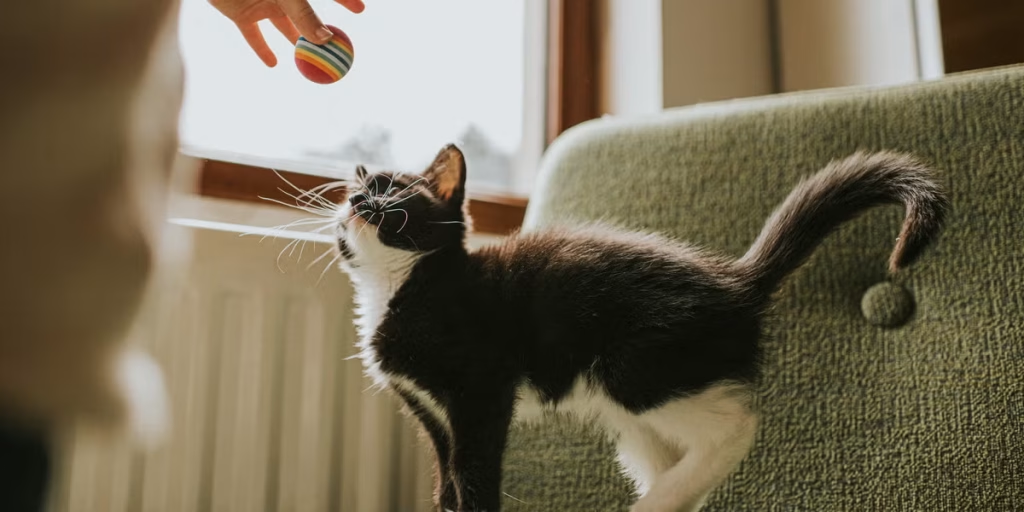

I’ve always been fascinated by the way pets form attachments, not just to their owners, but to their favorite toys. Whether it’s a dog that refuses to part with a chewed-up ball, a cat that drags around a tattered stuffed mouse, or a bird that clings to a small bell, these attachments often seem emotional and personal. Toys are more than objects to them; they become sources of comfort, entertainment, and even companionship. But what drives this attachment? Why does one toy become “the one” while others are ignored? The answer lies in a mix of instinct, psychology, and emotion that reveals just how intelligent and sentimental our pets can be.
The Role of Instinct in Toy Attachment
Many of a pet’s behaviors, including their relationship with toys, are guided by instinct. For dogs, toys often mimic prey. The texture, movement, or squeak of a toy can awaken their natural hunting instincts. A soft plush toy might resemble small prey like rabbits, while a squeaky toy replicates the sound of a creature in distress. These features trigger the same excitement and satisfaction that wild dogs experience during a successful hunt.
Cats, being natural hunters as well, exhibit a similar response. A toy that moves unpredictably or makes a rustling sound can stimulate their stalking and pouncing instincts. They may bite, kick, and carry it as if it were real prey. Once they’ve “captured” their toy, they often keep it close, just as wild cats might guard a catch. This instinctive behavior explains why some cats bring their toys to their owners, it’s a form of shared hunting success.
Even smaller pets like ferrets, rabbits, or parrots display similar instincts. A parrot might become attached to a bell or mirror because it represents social interaction, while a rabbit may chew on a favorite wooden block as part of natural foraging behavior. In essence, toy attachment begins as instinct but evolves into something deeper and more emotional over time.
Comfort and Security
Attachment to toys often mirrors the emotional comfort that humans get from sentimental items. Pets, much like children with their favorite stuffed animals, can use toys as emotional anchors. For dogs and cats especially, a familiar toy carries scents and textures that remind them of safety. The toy becomes a reliable companion that’s always available when the world feels uncertain.
I’ve noticed this especially in pets that experience separation anxiety. When their owner leaves, they may cuddle or chew on a favorite toy to self-soothe. The scent of the owner, which often lingers on the toy, provides reassurance. This behavior is common in rescue animals or pets that have gone through changes, like moving homes or losing another companion. The toy becomes a symbol of stability amid chaos.
The Connection Between Toys and Scent
Scent plays a crucial role in how pets experience their world. For many animals, smell is the most powerful sense, capable of evoking emotions and memories. Dogs, with their extraordinary sense of smell, can recognize specific toys by scent alone. Over time, the toy absorbs the smell of their home, their owner, and themselves, creating a comforting, familiar scent signature.
This is why washing a favorite toy too frequently or replacing it without transition can sometimes upset a pet. It erases the smell memory attached to it. I’ve had pets who refused to play with a new version of a beloved toy simply because it didn’t “smell right.” Allowing new toys to absorb familiar scents first can make them more appealing and easier to accept.
Emotional Bonds and Individual Personality
Not all pets form attachments to toys, and those that do, attach for different reasons. Just like people, animals have distinct personalities and emotional needs. Some are naturally more sentimental or possessive, while others treat toys purely as entertainment.
Dogs with nurturing tendencies, such as retrievers or spaniels, may treat their favorite toy like a puppy, carrying it gently, protecting it, and even whining when it’s misplaced. This behavior stems from their breeding and maternal instincts. Cats sometimes display a similar tendency, grooming or sleeping beside their toys as though they were kittens.
On the other hand, playful or dominant pets might form attachments based on power dynamics. They see their toy as “theirs”, something to guard, conquer, or show off. This behavior is particularly visible in dogs that parade their favorite ball proudly after fetching it, seeking praise and acknowledgment from their owners.
Play and Mental Stimulation
Toys serve as more than comfort objects, they are essential tools for mental stimulation and engagement. Pets crave enrichment, and toys satisfy their need for physical and mental activity. A toy that challenges them, moves unpredictably, or provides a reward becomes mentally rewarding. This positive reinforcement makes them gravitate toward it again and again.
In my experience, pets often form attachments to toys that trigger problem-solving or satisfy curiosity. A dog that figures out how to get a treat from a puzzle toy will likely continue to favor that toy because it represents success. Cats might prefer toys that react to their movements, giving them a sense of control. Repetition strengthens this attachment until the toy becomes an essential part of their daily routine.
The Role of Ownership and Possession
Possessiveness is another layer behind toy attachment. Many pets see their toys as possessions, objects that belong exclusively to them. This behavior stems from territorial instincts. In multi-pet households, you’ll often notice one animal guarding a specific toy, even if they aren’t actively playing with it.
I’ve seen dogs bury toys in the yard or hide them under blankets to ensure no one else gets them. Cats, too, may stash favorite items under furniture or in secret spots. This behavior isn’t just about greed; it’s about ownership and emotional investment. The toy represents something valuable that gives them pleasure or security.
The Comfort of Routine
Just as humans find comfort in daily rituals, pets find reassurance in familiar routines. Incorporating toys into their daily lives strengthens attachment. A dog that always plays fetch with the same ball after dinner, or a cat that bats at the same feather toy before bed, builds emotional significance around these objects.
The toy becomes part of a predictable pattern, something that signals joy, bonding, and comfort. If the toy suddenly disappears, the pet may seem unsettled or lost, just as we might feel without our favorite mug or daily routine.
Childhood-Like Behavior in Adult Pets
Pets often carry behaviors from youth into adulthood. Puppies and kittens engage in playful hunting and chewing behaviors as they learn coordination and social skills. When they become adults, certain toys can trigger those comforting childhood feelings. It’s not unusual to see a fully grown dog or cat cuddling a toy they’ve had since they were young.
This continuity provides emotional security. The toy is a constant presence that bridges their growth stages, reminding them of playful, carefree moments. Just as humans might keep childhood keepsakes for nostalgia, pets may cling to familiar toys that evoke comfort and safety.
Social and Emotional Learning
For some pets, toys represent social interaction, either with their owners or other animals. The way you play with them, tug-of-war, fetch, or interactive games, creates memories associated with joy and companionship. Over time, the toy itself becomes linked to those positive feelings.
If you frequently use the same toy for bonding activities, your pet begins to associate it with you. They may bring it to you as a form of invitation or to express affection. This behavior is particularly evident in dogs that bring toys as peace offerings or in cats that “gift” their owners toy mice. The toy becomes a shared emotional object that reinforces your bond.
Coping with Loss and Change
Pets experience grief and anxiety just like humans do. In difficult times, like moving homes, losing a companion, or dealing with separation, a toy can become a vital coping tool. The familiar texture and scent act as emotional anchors in uncertain environments.
I’ve seen pets that lose another animal companion transfer their affection to a specific toy, treating it as a substitute for the missing bond. Others may carry or guard their toy constantly during periods of adjustment. These attachments highlight how emotionally intelligent and sensitive pets truly are.
Why Some Toys Never Lose Appeal
Have you ever noticed that no matter how many new toys you buy, your pet keeps returning to one old, tattered favorite? That’s because attachment isn’t about novelty, it’s about emotional association. A toy becomes special when it connects to specific feelings or experiences.
For dogs, that favorite toy might represent victory from countless games of fetch. For cats, it might symbolize successful “hunts.” For birds, it could be the object they use to express curiosity or social behavior. Replacing it might not feel the same because the emotional imprint is unique.
Encouraging Healthy Attachments
While attachments are natural, it’s important to ensure they remain healthy. Some pets can become overly possessive or anxious when separated from their favorite toy. To prevent this, rotate toys regularly so they don’t fixate too intensely on one.
When introducing new toys, use positive reinforcement. Play together, add familiar scents, or pair the toy with treats and praise. This helps your pet form new associations without distress. For highly anxious pets, keeping their favorite toy accessible during stressful situations, like vet visits or travel, can provide instant comfort.
What Toy Attachment Reveals About Your Pet
A pet’s attachment to a toy can reveal a lot about their emotional world. It might show their nurturing side, playful personality, or need for stability. Paying attention to their favorites gives insight into how they experience joy, cope with stress, and express affection.
It also reminds us that animals have emotional depth that rivals our own. Their connections with toys aren’t random; they’re meaningful and deeply personal. These objects provide comfort, entertainment, and reassurance in a world that can sometimes feel unpredictable.
Conclusion
Pets get attached to certain toys because those objects fulfill emotional, psychological, and instinctual needs. A favorite toy might satisfy their hunting instincts, provide comfort during stress, or serve as a symbol of shared joy. It’s a combination of scent, routine, and emotion that transforms an ordinary object into something special.
Ultimately, a pet’s attachment to their toy is a reflection of love, security, and trust. It’s their way of holding on to a piece of comfort, much like we might cherish an old book, a piece of jewelry, or a childhood keepsake. The next time you see your pet curled up with a frayed toy or proudly carrying it across the room, remember, it’s not just play. It’s a quiet expression of their heart, a small but powerful reminder of how deeply they feel and connect to the world around them.