
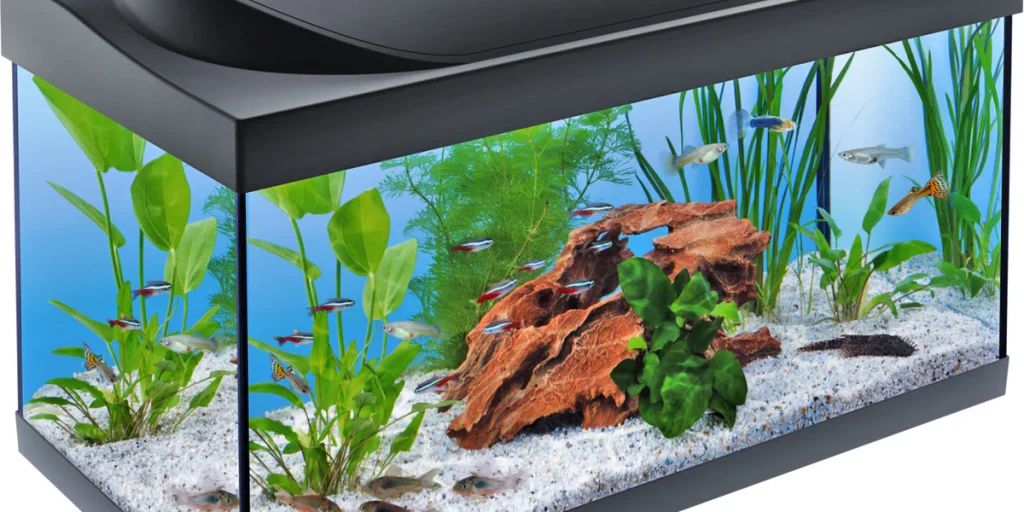

Seeing fish constantly hovering near the top of the tank can make any aquarist uneasy. It’s one of those moments where you stop, watch closely, and wonder whether something’s wrong. Fish behavior can tell you a lot about the environment they live in, and staying near the water’s surface is often their way of signaling distress or discomfort. Sometimes, it’s harmless, but other times, it’s a sign that immediate action is needed.
Let’s deep dive into Why Are My Fish Staying at the Top of the Tank?
Oxygen Levels and Water Quality
One of the most common reasons fish gather at the top is low oxygen in the tank. The surface of the water holds the highest concentration of dissolved oxygen because that’s where gas exchange takes place. If the oxygen levels in the lower parts of the tank are depleted, the fish instinctively move upward to breathe more easily.
I’ve noticed that this happens most often in tanks that lack proper aeration. Without enough surface agitation, oxygen cannot dissolve efficiently into the water. Filters and air stones play an important role here, as they help circulate water and promote gas exchange.
Poor water quality also plays a part. Ammonia and nitrite buildup can make it hard for fish to breathe. These compounds damage gills and reduce the amount of oxygen the fish can absorb. Even if oxygen is technically available, the fish might still gasp at the surface because their gills aren’t functioning properly. Regular water testing is essential to catch these issues early. I make it a habit to check the ammonia, nitrite, and nitrate levels weekly to ensure everything stays within safe limits.
Temperature Fluctuations
Water temperature has a direct impact on oxygen availability. Warm water holds less oxygen than cool water, which means that tanks placed in warmer rooms can quickly develop oxygen deficiencies. Fish will rise to the surface because they’re trying to find more breathable water.
I’ve learned that tropical fish are especially sensitive to sudden temperature changes. A poorly regulated heater or direct sunlight hitting the tank can spike the temperature faster than expected. Consistency is key, and even a few degrees of difference can make fish uncomfortable. Using a reliable aquarium thermometer helps me keep the temperature stable and within the recommended range for the specific species I’m keeping.
Overcrowding and Lack of Filtration
A crowded tank may look lively, but it comes with problems. Too many fish in a confined space means more waste, less oxygen, and higher stress levels. Overcrowded tanks quickly accumulate toxins like ammonia, which harms both the fish and the beneficial bacteria that keep the ecosystem balanced.
Filtration also plays a huge role. I’ve seen tanks with decent filters still struggle because the flow rate was too low for the tank’s size. Filters don’t just remove debris, they help with aeration and maintain the nitrogen cycle. A good filter keeps water moving, allowing oxygen to reach all levels of the tank. If the filter is weak or clogged, water can become stagnant, and fish may start spending more time at the top.
Stress and Aggressive Tankmates
Fish behavior often reflects their emotional state, and stress can drive them toward the surface. Aggressive tankmates, constant chasing, or lack of hiding spaces can all make fish anxious. In such cases, staying near the surface might be their attempt to find a calm spot away from conflict.
I’ve seen timid species like tetras or guppies retreat upward when housed with more dominant fish like cichlids. The stress not only affects their positioning but also weakens their immune system, making them more prone to disease. Rearranging decorations to break line-of-sight, adding plants, or separating aggressive fish can make a noticeable difference.
Improper Tank Maintenance
A poorly maintained aquarium can quickly become an unhealthy environment. Debris buildup, dirty filters, and accumulated waste on the substrate release harmful gases and toxins. This alters the chemical balance of the water and can push fish toward the surface in search of better conditions.
Regular maintenance isn’t just about keeping the tank clean, it’s about preserving water quality. I like to do partial water changes of about twenty-five to thirty percent each week. This helps remove waste, replenish oxygen, and stabilize pH levels. Vacuuming the gravel and cleaning filter media (without removing beneficial bacteria) are equally important tasks to keep the ecosystem healthy.
Ammonia and Nitrite Poisoning
Fish that linger near the top could be suffering from ammonia or nitrite poisoning. These compounds are invisible but deadly, and they can spike quickly in new tanks or in systems that haven’t been cycled properly. High ammonia levels burn the fish’s gills, causing inflammation that makes breathing painful and inefficient.
In this condition, fish may gasp at the surface, flick against decorations, or show red streaks on their fins. I’ve found that the best preventive measure is a consistent testing routine. Using a good-quality water test kit allows me to catch rising ammonia before it becomes a serious issue. If levels are elevated, immediate water changes and ammonia-neutralizing products can help.
Inadequate Aeration and Circulation
Even if the water quality looks fine, a lack of aeration can cause fish to stay near the top. In still water, oxygen doesn’t mix well, leading to stratification, meaning the upper layers have more oxygen than the lower ones.
Air stones, bubble walls, or surface skimmers can make a big difference. I’ve seen fish behave more naturally after adding even a small air stone to improve circulation. The movement breaks the surface tension, helping oxygen spread evenly throughout the tank.
In larger tanks, placing the filter outlet near the surface also helps by creating gentle ripples. The goal is not to create strong currents that exhaust the fish but to ensure steady movement and oxygenation.
Contaminants and Chemicals
Household chemicals, sprays, or even residues from soap can contaminate tank water. Fish are extremely sensitive to toxins, and exposure to even small amounts can irritate their gills or cause them to seek refuge near the surface.
I always make sure my hands are free of lotion, sanitizer, or cleaning products before touching anything inside the aquarium. Using separate towels and tools for the tank also prevents accidental contamination. If fish suddenly start gasping or floating near the top after a cleaning session, I immediately suspect contamination and perform a partial water change to dilute any potential toxins.
The Role of Lighting
Light intensity and duration can influence fish behavior more than many people realize. Excessive or harsh lighting can stress certain species, especially those that prefer shaded environments. They might retreat upward or downward to escape the glare.
Adjusting the lighting schedule can help. I use a timer to mimic natural day-night cycles, giving the fish about eight to ten hours of light daily. Providing shaded areas with floating plants or decorations allows them to choose their comfort zone.
Surface Feeding Habits
Not all surface activity is a bad sign. Some fish naturally prefer the upper layers of the tank because they’re surface feeders. Species like guppies, bettas, and hatchetfish instinctively stay near the top where they can access floating food and observe movement above.
However, even surface feeders shouldn’t remain there all day. If they start gulping air repeatedly or appear lethargic, it points to oxygen or water quality issues. Observing how they behave before and after feeding helps distinguish between normal feeding behavior and distress.
Impact of Poor Acclimation
Fish that haven’t been acclimated properly to new water conditions can experience shock. Drastic changes in pH, temperature, or hardness cause stress that affects their breathing and movement. Sometimes, they’ll swim to the top in an attempt to adjust.
I take extra time to acclimate new fish by slowly introducing them to the tank water. Floating the bag and gradually mixing small amounts of tank water over fifteen to thirty minutes helps minimize the shock. This step has saved me countless problems in the long run.
Recognizing Signs of Distress
Fish communicate discomfort through subtle changes in movement, color, and breathing. Staying at the top is just one indicator. Gasping for air, clamped fins, rapid gill movement, or loss of appetite are all warning signs.
I make it a point to watch my fish daily, even if just for a few minutes. This habit helps me catch early signs of trouble before they escalate. A healthy fish should swim across all levels of the tank, interact with others, and show interest in food. Any persistent change in behavior deserves attention.
Improving Oxygen and Reducing Stress
Addressing oxygen deficiency starts with promoting better aeration. Installing an air pump, cleaning clogged filters, and reducing water temperature can help stabilize oxygen levels. Adding live plants also supports natural oxygen production during the day, though they can consume oxygen at night.
It’s also important to avoid overfeeding. Excess food decomposes, raising ammonia and reducing oxygen levels. Feeding smaller portions that the fish can finish within a few minutes keeps both the fish and the water healthier.
If stress is the issue, I focus on creating a calmer environment. Rearranging tank décor, adding plants for shelter, and ensuring a peaceful mix of species make a big difference. Even something as simple as placing the tank in a quieter location away from loud noises or constant movement can reduce anxiety.
The Importance of Regular Observation
Maintaining a healthy aquarium is as much about observation as it is about equipment. The more time I spend watching my fish, the easier it becomes to notice subtle changes. Early intervention can prevent most serious issues.
I keep a simple log of water test results, feeding times, and maintenance schedules. It helps me track patterns and spot potential problems before they affect the fish. Over time, I’ve learned that a balanced routine creates a stable environment where fish thrive instead of merely survive.
When to Seek Professional Help
If fish continue to stay at the top despite good water conditions and proper aeration, it’s wise to consult an aquatic veterinarian or experienced aquarist. Some health issues, such as gill parasites or bacterial infections, can cause breathing difficulties that mimic environmental problems.
I once had a tank where everything appeared normal, yet the fish remained near the surface. After consulting a specialist, I learned they were suffering from a bacterial infection affecting their gills. Medication and water changes solved the issue, but it taught me how critical expert advice can be when home remedies fail.
Final Thoughts
Fish staying at the top of the tank is not something to ignore. It’s often their way of telling you that the environment needs attention. Whether it’s oxygen levels, temperature, toxins, or stress, addressing the root cause promptly makes all the difference.
Through observation and consistent care, I’ve realized that fish behavior is one of the clearest indicators of tank health. A well-aerated, clean, and stable aquarium encourages natural movement across all levels of the tank.
Fish may be silent pets, but their actions speak volumes. By tuning in to their behavior and maintaining a balanced aquatic environment, you ensure they not only survive but thrive, gliding gracefully through every corner of their underwater world with comfort and vitality.


