
Aquarium care goes far beyond adding water and feeding fish regularly. One of the most crucial aspects of maintaining a healthy and thriving aquatic environment is controlling the temperature. Fish, plants, and microorganisms in an aquarium are all sensitive to even minor fluctuations in temperature. The water’s warmth or coolness determines how well your aquatic pets eat, move, reproduce, and fight off disease. Getting the temperature right can mean the difference between a vibrant, active tank and one where fish become sluggish or even ill.
Finding the ideal temperature for your aquarium depends largely on the species you keep. Each fish has evolved in a specific type of environment, some in tropical rivers, others in cold mountain streams, and their bodies are adapted to those particular conditions. The goal as an aquarium owner is to replicate those conditions as closely as possible to ensure your fish remain healthy and comfortable.
Why Aquarium Temperature Matters
Temperature directly affects how fish function. Unlike mammals, fish are ectothermic, which means their body temperature is determined by the temperature of the surrounding water. Their metabolism, digestion, immune response, and even coloration are influenced by how warm or cool the water is.
If the temperature is too low, fish become sluggish because their metabolism slows down. They may eat less, move less, and become more susceptible to diseases since their immune systems weaken. On the other hand, if the water is too warm, their metabolism speeds up. They burn energy quickly, demand more oxygen, and become stressed, especially in environments with limited aeration.
Stable temperature also matters because sudden changes, even by a few degrees, can cause shock. Thermal shock weakens fish and can be fatal in extreme cases. Maintaining a steady, appropriate temperature creates an environment where fish thrive and display natural behaviors.
Temperature Ranges for Different Aquarium Types
Not all aquariums are the same, and the ideal temperature depends on what kind of fish and plants you keep. In general, aquariums can be grouped into three broad categories, tropical, coldwater, and temperate.
Tropical Aquariums
Tropical fish are the most popular among aquarium enthusiasts because of their bright colors and diverse species. These fish originate from warm rivers, lakes, and streams near the equator, where temperatures remain fairly constant throughout the year.
For most tropical species, the ideal water temperature ranges between 75°F and 80°F (24°C to 27°C). Fish such as angelfish, guppies, neon tetras, and mollies fall into this category. Maintaining this range helps keep their metabolism balanced and supports their immune systems.
Tropical aquariums often require a reliable heater to maintain stable warmth, especially in cooler climates or during the night. Consistency is key, sudden dips can cause stress, while overheating can make the water hold less oxygen, leading to suffocation.
Coldwater Aquariums
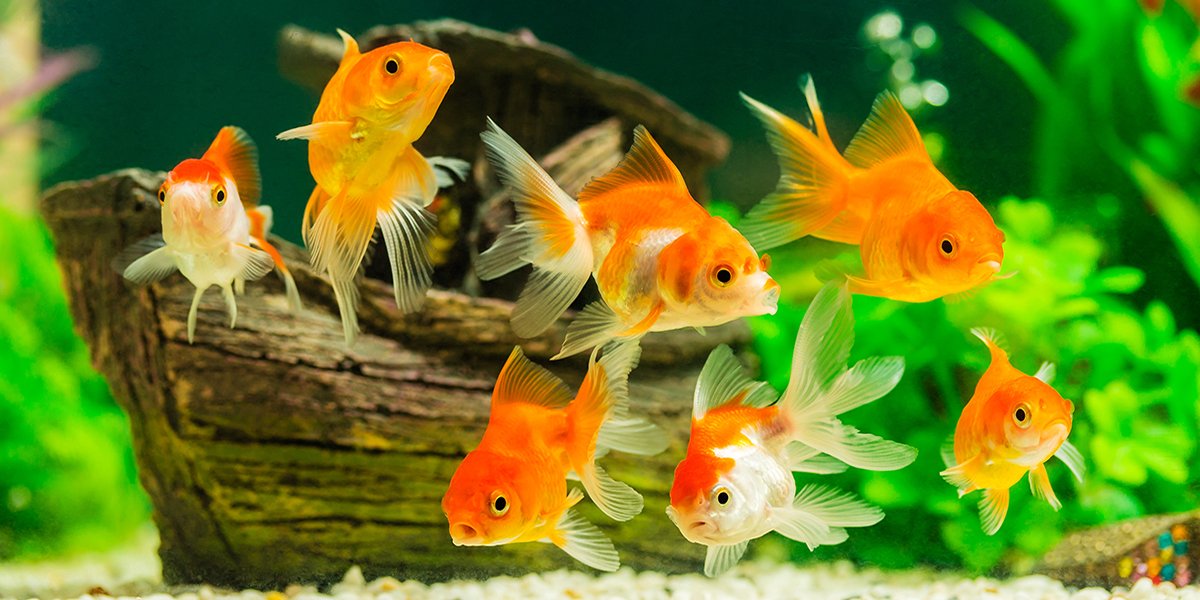
Coldwater fish prefer cooler environments and do not need heaters. They typically thrive in temperatures between 60°F and 68°F (15°C to 20°C). Goldfish, white cloud mountain minnows, and dojo loaches are examples of fish that fall into this category.
Coldwater fish are hardy and adaptable, but they still require temperature stability. If the room temperature fluctuates dramatically, it may still affect the tank. Positioning the aquarium away from direct sunlight, vents, or heaters helps prevent unwanted temperature spikes.
Temperate or Subtropical Aquariums
Temperate fish live comfortably in the middle ground between tropical and coldwater environments. These species prefer temperatures between 68°F and 75°F (20°C to 24°C). Examples include danios, barbs, and some species of catfish.
These fish do well in most indoor environments where room temperature remains consistent. However, during colder months, a small heater might still be necessary to maintain the desired range.
How to Maintain the Ideal Temperature
Having the correct equipment and understanding your environment are essential to maintaining a consistent aquarium temperature. The most common tools used for temperature control are heaters, thermometers, and cooling systems.
Using an Aquarium Heater
A heater is an indispensable tool for tropical and temperate aquariums. Modern heaters come with thermostats that allow precise temperature control. There are several types of heaters to consider:
- Submersible heaters are placed directly inside the water and are the most efficient and accurate option.
- In-line heaters are installed in the filter tubing and heat water as it flows through, providing even distribution.
- Under-gravel heaters are useful for planted tanks as they gently warm the substrate, promoting root growth.
The right heater size depends on the aquarium’s volume and the surrounding room temperature. Generally, you need about 3 to 5 watts per gallon of water. For example, a 50-gallon tank typically requires a 150- to 250-watt heater.
Using a Thermometer
A reliable thermometer ensures your water remains at the correct temperature. Stick-on, digital, or floating thermometers all work well, but digital thermometers tend to be the most accurate. Place the thermometer at the opposite end of the heater to get an accurate reading of the tank’s average temperature.
Check the temperature at least twice daily, especially in rooms that experience large temperature changes between day and night. Consistent monitoring helps you catch fluctuations before they affect your fish.
Cooling the Aquarium
While heaters are common, some aquarium owners also face the challenge of keeping water cool. In hot climates or during summer, aquariums can easily overheat, especially if exposed to sunlight. High temperatures reduce oxygen levels and can stress or even kill fish.
You can use a few methods to cool the water:
- Aquarium fans help by increasing surface evaporation, which cools the water naturally.
- Chillers are devices designed to regulate water temperature precisely, ideal for sensitive species.
- Frozen water bottles can be used temporarily during emergencies, but they require careful monitoring to prevent sudden drops.
The Role of Oxygen and Temperature Balance
Temperature doesn’t just affect comfort, it also determines how much oxygen the water can hold. Warm water holds less dissolved oxygen, while cooler water retains more. If your aquarium is too warm, fish may struggle to breathe, even if your aeration system is running.
You can improve oxygen levels by using air stones, sponge filters, or surface agitation devices that promote gas exchange. Plants also contribute by releasing oxygen during photosynthesis, though they consume it at night. Keeping a balance between temperature, oxygen, and lighting ensures a stable and thriving environment.
How Temperature Affects Fish Behavior
Watching fish behavior is one of the best ways to determine if your aquarium temperature is appropriate. Fish are sensitive to even small shifts in temperature, and their behavior often reflects their comfort level.
If the water is too cold, you might notice fish becoming lethargic, swimming less, or staying near the bottom. They may eat less and show faded colors. Prolonged exposure to cold conditions weakens their immune system, making them vulnerable to infections.
If the water is too warm, fish often swim erratically, gasp for air near the surface, or show signs of stress such as fin clamping. High temperatures speed up metabolism, causing them to burn energy faster and require more oxygen.
The goal is to maintain a temperature range where your fish are active but calm, feeding well, and displaying bright colors. Consistency helps them develop natural rhythms and behaviors.
Common Mistakes in Temperature Management
Even experienced aquarium owners make temperature-related mistakes that can lead to stress or illness in fish. Some of the most common include:
- Placing the aquarium near windows or vents: Direct sunlight or drafts can cause rapid fluctuations.
- Not using a thermometer: Relying on touch or guesswork often leads to inaccuracies.
- Using undersized heaters: Small heaters struggle to maintain temperature in larger tanks, especially during winter.
- Ignoring sudden weather changes: A cold snap or heatwave can affect indoor temperatures and, consequently, the aquarium.
Regular observation and temperature checks prevent most of these problems. Investing in reliable equipment saves time and protects your fish in the long run.
Seasonal Adjustments
Seasonal changes can subtly affect your aquarium, especially if you live in an area with hot summers and cool winters. During winter, heaters work harder to maintain temperature, so it’s wise to test them before the season starts. Check for faulty thermostats or cracks in glass heaters.
In summer, room temperatures can rise dramatically, requiring additional cooling measures. Running fans, keeping blinds closed, and reducing lighting hours can help manage heat buildup. Avoid making drastic adjustments; slow changes are safer for fish than sudden shifts.
Impact on Aquarium Plants and Other Inhabitants
Plants and invertebrates also depend on stable temperatures. Most aquarium plants thrive between 72°F and 80°F (22°C to 27°C). Extreme cold can slow their growth, while excessive heat may cause decay.
Invertebrates like shrimp and snails are equally sensitive. For example, cherry shrimp prefer slightly cooler water, while many snail species tolerate a broader range. Keeping temperature consistent benefits the entire ecosystem, not just the fish.
Monitoring and Emergency Preparedness
Being prepared for temperature emergencies can save your aquarium from disaster. Power outages, broken heaters, or heatwaves can quickly alter water temperature.
For power outages in winter, wrapping the tank with blankets can help retain heat. In summer, floating ice packs or opening the tank lid slightly can prevent overheating. Battery-operated air pumps can maintain oxygen levels during emergencies.
It’s also wise to have a backup heater or thermometer on hand in case your primary one fails. Regularly inspecting equipment ensures you can respond quickly to any issue.
Achieving a Balanced Aquarium Environment
Maintaining the right temperature is part of creating a balanced aquarium ecosystem. Alongside temperature, water chemistry, lighting, and filtration all interact to shape your fish’s environment. A stable temperature enhances the efficiency of biological filtration, encourages healthy plant growth, and reduces stress-related diseases.
Consistency is the key. Fish thrive in predictable environments where temperature, oxygen, and pH remain steady. By investing time in monitoring and adjusting conditions, you create a natural and healthy space for your aquatic pets to flourish.
Conclusion
The ideal temperature for your aquarium depends on the type of fish and the kind of environment you’re trying to replicate. Tropical fish need warmth around 75°F to 80°F, coldwater species prefer cooler ranges, and temperate fish do best somewhere in between. What matters most is stability, sudden fluctuations are more dangerous than being slightly above or below the ideal range.
A properly maintained aquarium with stable temperature promotes natural behavior, vibrant colors, and healthy fish. Regular monitoring, reliable equipment, and thoughtful adjustments help create an environment where your aquatic life can thrive. Watching your fish glide peacefully through a well-balanced tank is not just beautiful, it’s a sign that you’ve mastered one of the most important aspects of aquarium care: maintaining the perfect temperature.