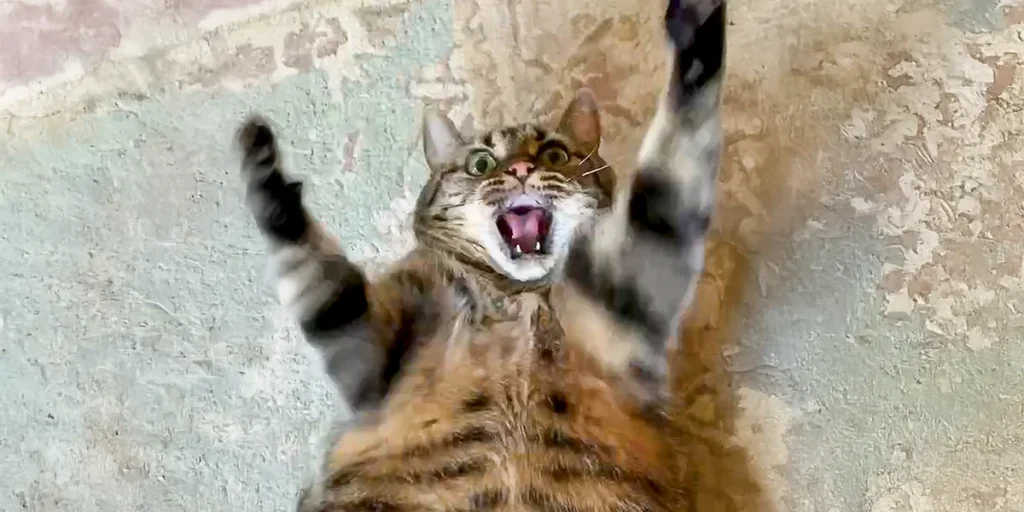

A nervous pet can turn an ordinary day into a challenging one, both for them and for you. I’ve found that anxiety in animals often stems from fear, unfamiliar environments, loud noises, or even separation from their owners. The good news is that no matter the cause, you can help your pet feel more secure and relaxed through patience, structure, and gentle reassurance. Calming a nervous pet isn’t about quick fixes, it’s about creating consistency, trust, and comfort that allows your companion to thrive emotionally.
Identifying Signs of Nervousness
Before doing anything to ease anxiety, it’s important to recognize the signs of stress. Pets communicate discomfort in ways that may not always be obvious. Dogs may pant excessively, pace around, drool, or tuck their tails between their legs. Cats might hide, over-groom, flatten their ears, or hiss when approached. Birds could pluck feathers, refuse food, or become unusually vocal. Even small animals like rabbits or guinea pigs display nervous behavior through trembling, freezing in place, or refusing to interact.
By observing your pet’s reactions in various situations, you’ll start to notice patterns. Perhaps your dog becomes uneasy during thunderstorms, or your cat hides when guests arrive. Identifying these triggers is the first step to addressing the root of their anxiety. The goal is to help them associate these moments with calmness rather than panic.
Establishing a Predictable Routine
A consistent routine gives pets a sense of stability. I’ve noticed that my own pets are calmer when they know what to expect from their day. Feeding, walks, playtime, and rest should follow a regular schedule. This repetition tells your pet that their world is safe and reliable, reducing unnecessary stress.
Try to keep sudden changes to a minimum. If you must adjust something, like walk times or feeding hours, introduce the shift gradually. For example, if you plan to move your dog’s walk from morning to evening, adjust the timing by 15 to 20 minutes each day instead of all at once. Predictability helps pets feel in control of their environment, which in turn lessens anxiety.
Creating a Safe Space
One of the most effective ways to calm a nervous pet is by giving them a dedicated retreat where they feel protected. This space can be a crate, a bed in a quiet corner, or a cozy room away from household noise. I’ve noticed that when a pet has a safe zone, they learn to retreat there whenever they feel overwhelmed.
Make this area inviting by including their favorite blanket, a few toys, and something that smells like you, a shirt or pillow can work wonders. The scent offers reassurance and comfort. Keep this zone accessible at all times, and never use it as a punishment spot. Over time, your pet will view it as their sanctuary.
Using Calm Body Language and Tone
Animals are incredibly sensitive to human emotions. I’ve often found that my pets mirror my mood. If I speak softly, move slowly, and remain relaxed, they respond with ease. On the other hand, sudden movements, loud voices, or frustration can heighten their fear.
When approaching a nervous animal, crouch to their level rather than towering over them. Speak in a steady, soothing tone. Avoid direct eye contact initially, as this can be intimidating to some pets. Instead, let them come to you at their own pace. Showing patience builds trust, and trust is the foundation for calming anxiety.
Gradual Exposure to Triggers
If you already know what causes your pet’s stress, slow exposure can help desensitize them over time. This approach works best when done patiently and positively. For instance, if your dog is terrified of car rides, start by letting them sit in the car without the engine running. Offer praise and treats to associate the space with good experiences. Gradually progress to short drives around the block, always keeping the tone positive.
Similarly, if your cat fears strangers, introduce guests slowly. Allow the cat to observe from a distance while your visitor sits quietly. Never force contact. Repeated calm experiences teach your pet that the trigger is not dangerous, and their fear starts to fade.
The Role of Exercise and Mental Stimulation
Exercise does wonders for a nervous pet’s state of mind. Physical activity burns off excess energy that might otherwise feed anxiety. For dogs, daily walks, fetch sessions, or agility games help reduce tension. Cats benefit from climbing trees, chasing feather toys, or exploring puzzle feeders that engage their hunting instincts.
Mental enrichment is just as important as physical exercise. Puzzle toys, scent games, training challenges, or even hiding treats around the house can redirect nervous energy into focus. A tired, mentally stimulated pet is less likely to dwell on fears and more likely to rest calmly.
The Comfort of Familiar Scents and Sounds
Scent and sound have a powerful effect on a pet’s emotional state. Familiar smells, such as your natural scent or that of their bed, can instantly reassure them. I’ve found that diffusing calming pheromones, such as those designed for cats and dogs, can also create a soothing atmosphere.
Sound therapy can work as well. Soft classical music, ambient nature sounds, or white noise can drown out stressful noises like fireworks or traffic. The consistent background sound helps pets feel less startled by sudden environmental changes.
Gentle Physical Contact and Massage
Touch can be deeply therapeutic for anxious pets, provided it’s done gently and at their comfort level. Light petting along the back or chest, or slow circular motions on the shoulders, can lower heart rate and release tension.
Not all pets will welcome touch when they’re scared, so always read their body language. If they pull away, freeze, or show signs of discomfort, give them space. For pets that do enjoy contact, a regular calming massage can strengthen your bond and make stressful moments more manageable.
Diet and Its Connection to Behavior
A healthy diet influences mood more than many realize. Nutrient deficiencies or poor-quality ingredients can lead to restlessness, hyperactivity, or even increased anxiety. Feeding your pet a balanced diet suited to their age, breed, and activity level supports emotional stability.
Some foods contain natural calming compounds. For instance, tryptophan and omega-3 fatty acids can promote relaxation. Your veterinarian can recommend specific diets or supplements that aid in managing anxiety safely. Even maintaining consistent feeding times contributes to a sense of structure that comforts a nervous animal.
Avoiding Negative Reinforcement
A common mistake many pet owners make is unintentionally reinforcing fear. Comforting your pet excessively during a fearful episode, such as fireworks or thunderstorms, can confirm to them that their fear is justified. Instead, project calm confidence. Speak gently but act normally. Offer treats or toys only when your pet shows signs of calm behavior.
Punishing fear-based actions, like barking or hiding, only deepens anxiety. Replace scolding with redirection. For example, if your dog barks during thunder, redirect them to a fun task like finding a treat or playing a quiet indoor game. This teaches them that relaxation brings rewards, not punishment.
Socialization and Confidence Building
Early and positive socialization helps prevent anxiety from taking root. Even older pets can benefit from gradual introductions to new people, pets, and environments. Start small, maybe a short walk in a quiet park or a brief visit to a friend’s home, and expand exposure gradually.
Confidence training, such as agility courses, obedience sessions, or learning new tricks, builds mental resilience. As your pet learns new skills, they become more confident in handling new situations. Confidence naturally replaces fear, making them calmer overall.
Using Natural Remedies and Supplements
Some pets may benefit from natural calming aids. Herbal supplements like chamomile, valerian root, and L-theanine are often used to reduce anxiety. CBD oil, when formulated for pets, has gained popularity for its calming properties. However, it’s essential to discuss these options with your veterinarian before use.
You can also try aromatherapy using pet-safe essential oils like lavender or frankincense. Always ensure proper dilution and ventilation, as animals have sensitive respiratory systems. These gentle aids can complement behavioral methods for a well-rounded calming approach.
The Importance of Regular Veterinary Checkups
Sometimes, anxiety isn’t just behavioral, it may have a medical cause. Pain, hormonal imbalances, or neurological conditions can make pets act nervous or withdrawn. Regular vet visits ensure that health issues aren’t mistaken for emotional distress.
Your vet can also help determine whether medication might be appropriate for severe anxiety. In some cases, short-term anti-anxiety prescriptions can help pets regain balance while you work on long-term behavioral changes.
Traveling and Separation Anxiety
Travel and separation are two common sources of stress for pets. Preparing them early can reduce panic later. For travel, get them used to carriers or harnesses by allowing them to explore these items at home first. Keep familiar blankets or toys with them during the journey.
For pets with separation anxiety, practice short departures. Leave the house for a few minutes and return calmly, increasing time away gradually. Avoid making a big fuss when you leave or return, as this can heighten anticipation and stress.
Patience and Consistency
Calming a nervous pet takes time. Progress might be slow at first, but consistency pays off. Stay patient, observe improvements, and celebrate small victories, like your dog relaxing during a storm or your cat emerging from hiding more often. Over time, your steady reassurance teaches your pet that the world isn’t as frightening as they thought.
Anxiety often diminishes when pets realize they can trust their environment, routine, and most importantly, their owner. Your calmness becomes their calmness.
Conclusion
Finding the best way to calm a nervous pet is a journey of patience, empathy, and understanding. Each animal is unique, with their own triggers and comfort levels. The goal isn’t to eliminate fear altogether but to build trust, predictability, and emotional security that allows your pet to handle life’s challenges.
Whether through consistent routines, safe spaces, gentle touch, or simple companionship, you become the anchor in your pet’s world. In time, their nervousness gives way to confidence, and you’ll see a transformation that reflects the power of love, trust, and steady care.