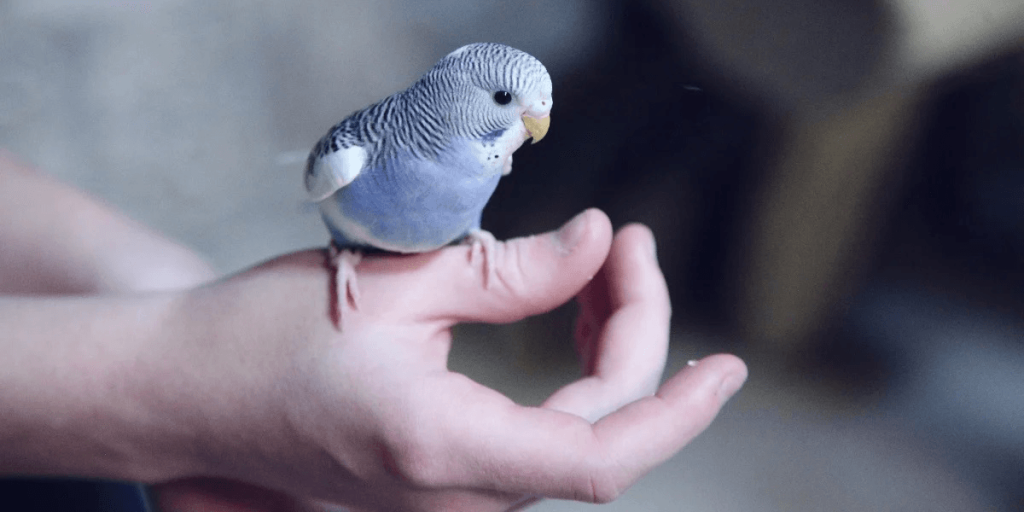

Bringing home a new bird is exciting, but it can also be a delicate process. Birds are sensitive, intelligent creatures that form strong emotional connections, but they don’t give their trust away immediately. I’ve learned that bonding with a new bird takes patience, empathy, and consistency. It’s not about forcing affection or rushing interaction; it’s about allowing the bird to feel safe enough to open up on its own terms. The relationship that develops from that trust becomes incredibly rewarding, but it must begin with gentle understanding and daily effort.
Creating a Safe and Calm Environment
A bird’s first impression of its new environment is crucial. The moment I bring a bird home, I focus on creating a space where it feels secure. Birds are prey animals by nature, so their instinct is to be cautious until they assess safety. I make sure the cage is set up in a quiet part of the house, away from loud noises and constant traffic. A high perch, soft lighting, and a few familiar toys help ease their anxiety.
I avoid crowding around the cage or introducing too many people at once. Birds need time to observe their surroundings and get used to new sights and sounds. During those first days, I sit nearby and speak softly. I don’t reach into the cage or force contact. Just being present without demanding attention helps my bird learn that I’m not a threat. Gradually, it begins to relax, preen, and eat comfortably in my presence, which is a good sign that it’s starting to settle in.
Gaining Trust Through Patience
Trust is the foundation of bonding with any bird. Unlike dogs or cats, birds often view large movements or unfamiliar hands as potential dangers. I start by allowing my bird to approach me instead of trying to reach for it. I stay consistent in my behavior, using the same tone of voice, similar body language, and regular routines.
Over time, repetition builds familiarity. My bird starts associating my presence with calmness and predictability. Sometimes it might take days, and other times it can take weeks. Birds that have had limited human interaction or past negative experiences require even more patience. Forcing contact only sets back progress. I’ve found that letting the bird come to me when it’s ready leads to a stronger, longer-lasting bond.
Talking to the Bird Regularly
Communication plays a big role in bonding. I talk to my bird throughout the day in a soft, reassuring voice. Birds are naturally social animals that rely heavily on sound to connect with their flock. Speaking to them mimics this social exchange and helps them recognize my voice.
Simple phrases, greetings, or even narrating what I’m doing helps establish a sense of familiarity. I use consistent words or tones when saying “good morning,” “hello,” or “goodnight.” Over time, my bird associates these sounds with positive experiences and comfort. Some birds eventually start mimicking the words, which further strengthens the connection.
Even if the bird doesn’t talk, it still pays attention to rhythm, pitch, and energy. A calm tone encourages trust, while sudden loud noises or quick gestures can cause fear. I’ve learned to keep my movements fluid and my voice even, helping the bird feel more relaxed around me.
Offering Treats and Rewards
Food is one of the best ways to build trust and create positive associations. Birds quickly learn who provides their favorite snacks. I offer small treats such as seeds, fruits, or pieces of vegetables through the cage bars at first. The goal isn’t to hand-feed immediately, but to let the bird connect my presence with something rewarding.
Once the bird is comfortable eating near me, I gradually start offering treats from my fingers. At first, it might hesitate or back away, but patience pays off. Eventually, curiosity overcomes fear, and it takes the treat directly from my hand. That small gesture marks a major step forward in bonding.
I make sure to reserve treats for moments of calm interaction or training. Rewarding the right behaviors, such as approaching me, staying calm, or perching near my hand, encourages the bird to keep engaging positively.
Respecting Boundaries
One of the biggest mistakes people make is trying to handle a new bird too soon. Birds need space to feel safe. I always pay attention to body language before attempting contact. Fluffed feathers, hissing, lunging, or retreating to a corner are signs that the bird needs space. Forcing interaction during these moments can damage trust.
Instead, I give the bird time and let it set the pace. Over time, as it grows more comfortable, it starts coming closer voluntarily, showing curiosity by tilting its head or hopping toward me. Respecting these small cues has helped me form deeper connections. Birds appreciate being treated as equals rather than objects of affection.
Establishing a Routine
Consistency builds confidence in birds. I’ve noticed that my bird becomes calmer when it knows what to expect. Feeding, cleaning, talking, and playtime all happen around the same times each day. Birds thrive on routine because it helps them anticipate interactions and understand their environment.
I start each morning with a gentle greeting and some light conversation. Throughout the day, I check in, offer treats, or let the bird watch me as I go about tasks. In the evening, I dim the lights and use a quiet tone to signal bedtime. This steady rhythm helps reduce anxiety and builds familiarity, which deepens the bond between us.
Using Positive Reinforcement
Birds respond incredibly well to positive reinforcement. Rather than punishing unwanted behavior, I focus on rewarding good actions. If my bird steps onto my finger or approaches me calmly, I offer praise or a small treat. This approach encourages cooperation and trust.
Over time, my bird starts linking gentle behavior with rewards. It learns that stepping up or coming closer results in something pleasant. Positive reinforcement also helps in training basic commands, like stepping up, flying to a perch, or responding to its name. The key is consistency, rewarding good behavior immediately helps the bird make the connection.
Allowing Gradual Physical Contact
Physical interaction should happen naturally and slowly. Once the bird trusts me enough to eat from my hand or sit near me, I introduce the idea of stepping up onto my finger or hand. I hold my finger close to its perch and speak softly, encouraging it to step up. If it refuses, I don’t push. I wait until it shows readiness.
Eventually, the bird learns that stepping up leads to positive experiences, gentle talking, movement around the room, or a treat. Over time, it begins to enjoy being handled. Birds that trust their owners this way often seek out physical closeness on their own, perching on shoulders or nuzzling affectionately.
Providing Mental Stimulation
Birds are intelligent animals that require mental stimulation to stay happy. Boredom can lead to stress or behavioral issues, which can strain bonding. I make sure my bird has a variety of toys, bells, ropes, foraging puzzles, and wooden blocks. Rotating toys regularly keeps the environment interesting.
Interactive play also strengthens our relationship. I let the bird explore outside its cage under supervision, allowing it to perch on safe areas or follow me around. Birds enjoy participating in daily life, watching TV, listening to music, or simply being near their humans. These shared experiences deepen the connection naturally.
Using Music and Singing
Music has a unique effect on birds. Many enjoy rhythmic sounds and melodic voices. I sometimes play soft tunes or sing near my bird’s cage. Birds that are still shy often respond to gentle music before they feel ready to interact directly. Over time, they associate these pleasant sounds with safety and companionship.
Singing to the bird also helps it recognize my voice patterns. It becomes familiar with my presence even during quiet moments. Some birds will start bobbing their heads or chirping along, which is a joyful sign of engagement.
Letting the Bird Observe Daily Life
Birds are naturally curious and learn a lot just by watching. I make it a point to include my bird in daily activities. Whether I’m reading, working, or cooking, I place its cage in a safe spot where it can observe. The more it sees of my routine, the more comfortable it becomes with my presence.
This exposure helps normalize movement and noise around the home. Gradually, the bird stops viewing me as unpredictable and starts seeing me as part of its flock. Observation transitions into interaction as curiosity grows.
Encouraging Gentle Play
Once trust is established, I introduce light play. This could be rolling a ball, offering a bell, or engaging in peekaboo games. Gentle play keeps the bird mentally engaged and emotionally connected. Birds often express joy through playful behavior, flapping wings, chirping, or mimicking sounds.
Playtime also helps burn excess energy, reducing stress and improving mood. I make sure to end sessions on a positive note, always leaving the bird wanting more interaction rather than feeling overwhelmed.
Avoiding Common Mistakes
Bonding can take longer if certain mistakes are made early on. Sudden movements, loud voices, or forcing interaction can cause fear. I’ve learned to avoid staring directly at the bird for long periods, as it can be perceived as a threat. Introducing too many toys or people too quickly can also overwhelm a new bird.
I also avoid using my hand to chase the bird back into its cage. Instead, I use treats and gentle guidance. Respecting the bird’s autonomy is key, trust builds faster when it feels in control of its space.
Reading the Bird’s Body Language
Birds communicate constantly through posture, sounds, and small movements. Paying attention to these signals helps me understand its comfort level. Relaxed feathers, steady eyes, and gentle chirps indicate calmness. Fluffed feathers paired with wide eyes or open beaks suggest fear or irritation.
By reading these signs accurately, I can adjust my behavior accordingly. If the bird looks nervous, I step back. If it leans forward or tilts its head curiously, I move closer. This two-way communication creates a sense of mutual respect that strengthens the bond.
Spending Quality Time Daily
Consistency matters more than duration. Even short periods of focused interaction each day can have a big impact. I set aside specific times to sit with my bird, talk, or share quiet moments. Birds value companionship and routine interaction.
The more consistent I am, the stronger the bond becomes. Missing too many days or being inconsistent in behavior can make the bird anxious or unsure. Building trust is a daily investment that pays off through loyalty and affection.
Building Confidence Through Exploration
Allowing a bird to explore new environments safely helps it grow confident. I let mine fly or walk around a secure room, supervising closely. Each time it ventures out and returns calmly, its confidence grows. This freedom helps it associate my presence with safety rather than control.
A confident bird bonds more easily because it doesn’t feel threatened. Exploration also provides mental stimulation, which contributes to a healthier and happier pet.
Strengthening the Connection Over Time
Bonding isn’t a one-time process; it evolves. Even after my bird becomes comfortable, I continue reinforcing trust. Birds, like people, have moods and preferences that change. Maintaining communication, gentle play, and affection ensures the bond remains strong.
I also pay attention to subtle signs of affection, nuzzling, chirping when I enter the room, or mimicking sounds I make. These small gestures show that the bird sees me as part of its flock. Responding with kindness and consistency deepens that emotional connection.
Conclusion
Bonding with a new bird is a journey built on patience, trust, and respect. It’s about allowing the bird to feel safe enough to express its true personality. From gentle conversation and daily routines to offering treats and play, each action contributes to building a lasting friendship.
I’ve learned that the best way to bond with a bird is not through force but through empathy. Birds respond to sincerity, they can sense calm, care, and intention. With time and dedication, that bond transforms into one of the most rewarding relationships imaginable. The moment your bird chooses to perch on you willingly, chirp softly, or follow you around, you’ll know that trust has turned into genuine companionship.