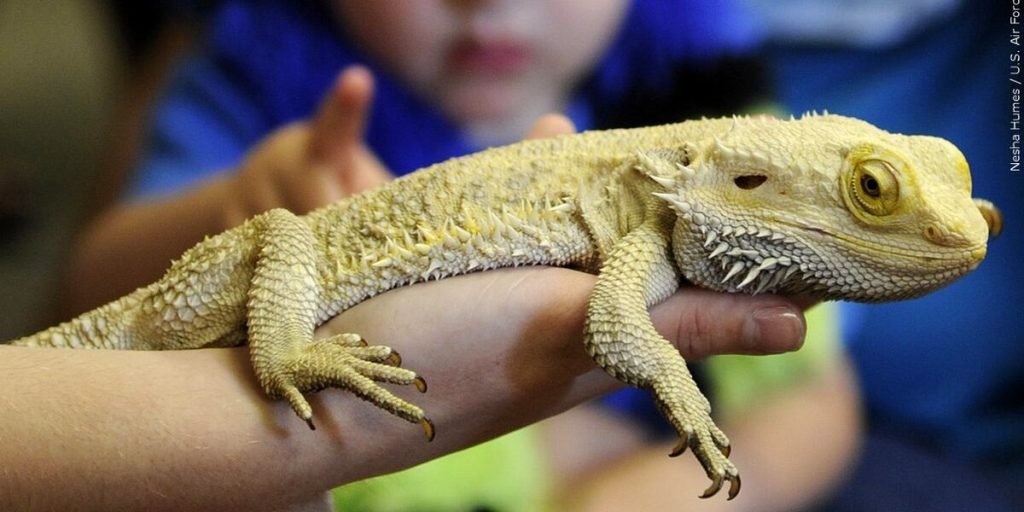

Bearded dragons are sun-loving reptiles that depend heavily on proper lighting to stay healthy and active. Their bodies are designed to soak in sunlight, which fuels their metabolism, supports bone strength, and regulates their daily rhythm. In captivity, recreating the natural sunlight of their native Australian deserts is not optional, it’s essential. Without proper lighting, a bearded dragon’s health can quickly decline, leading to serious conditions like metabolic bone disease or loss of appetite.
Why Lighting Is Vital for Bearded Dragons
Lighting does more than brighten a terrarium. For bearded dragons, it replaces the sunlight they would naturally bask under in the wild. Their bodies rely on ultraviolet (UV) light, particularly UVB rays, to produce vitamin D3, which allows them to absorb calcium from their food. Without enough UVB exposure, their bones weaken, muscles lose strength, and they can become lethargic.
I’ve seen firsthand how a bearded dragon’s behavior changes when the lighting setup is right. They become more alert, their colors appear richer, and their appetite improves. Proper lighting also maintains their circadian rhythm, the natural day-night cycle that controls their sleep, feeding, and activity patterns. Without it, they can become disoriented and stressed.
Types of Lighting Bearded Dragons Need
Bearded dragons require two main types of artificial light: UVB light and heat-producing light. Both serve different but equally important purposes in their overall health.
The UVB light mimics the sun’s ultraviolet rays, helping them synthesize vitamin D3. It doesn’t produce heat but is crucial for internal processes. On the other hand, the basking or heat light replicates the warmth of the sun, allowing them to thermoregulate, or control their body temperature. A balanced combination of the two creates the ideal environment.
The Role of UVB Lighting
UVB lighting is the most critical component of a bearded dragon’s enclosure. These rays are invisible to the human eye but vital to the reptile’s body. Without UVB exposure, a bearded dragon cannot properly metabolize calcium, leading to weak bones and deformities.
I always make sure the UVB light covers most of the basking area so my bearded dragon receives consistent exposure. The bulb should emit UVB in the range of 10.0 or 12%, depending on the brand. These ratings represent the intensity of UVB output suitable for desert species like bearded dragons.
Compact UVB bulbs, tube-style fluorescent lights, and mercury vapor bulbs are the most common options. I prefer the long tube-style UVB lights because they provide a more even spread across the enclosure. Compact bulbs can create limited UVB zones, leaving parts of the tank underexposed.
How to Position UVB Lights
Placement determines how effective the light will be. I always position the UVB bulb directly above the basking spot, where my bearded dragon spends most of its time. The light should be inside the enclosure, not above a mesh lid, because mesh filters out a significant amount of UVB.
The distance between the bulb and basking area depends on the bulb type. Fluorescent tubes should be about 10 to 12 inches away, while stronger mercury vapor bulbs can be placed 14 to 18 inches above. Too close, and the rays may become too intense; too far, and your reptile won’t benefit from them.
Replacing UVB bulbs regularly is also necessary. Even if they still produce visible light, UVB output diminishes over time. I usually replace mine every six to twelve months, depending on the manufacturer’s recommendations.
Heat and Basking Lights
Bearded dragons are ectothermic, meaning they rely on external heat sources to regulate body temperature. In the wild, they bask under the hot Australian sun to warm up, then retreat to shaded areas to cool down. To replicate this, I use a basking bulb that emits both light and heat.
The basking spot should reach between 95°F and 110°F for adults and up to 110°F for juveniles. The cooler side of the tank should remain around 75°F to 85°F, allowing the reptile to move between zones and regulate its temperature naturally. I use a digital thermometer to monitor both ends of the enclosure, ensuring consistent gradients.
At night, the temperature can drop to around 70°F without issue. However, if the room gets colder than that, I use a ceramic heat emitter, which provides warmth without light, maintaining a natural dark cycle for sleep.
Full-Spectrum Lighting
In addition to UVB and basking lights, full-spectrum lighting can enhance the enclosure’s brightness, making it appear more natural. While not essential for health, it benefits visibility and plant growth if live vegetation is part of the habitat. It also brings out the reptile’s vibrant colors, making their environment more stimulating.
I’ve noticed that when the enclosure mimics natural daylight, my bearded dragon seems more active and alert. The full-spectrum light, combined with UVB and heat, completes the environmental balance.
How Long Should the Lights Stay On?
Lighting duration is another important factor. I maintain a consistent 12 to 14-hour light cycle during the day and turn off the lights at night. This schedule mirrors natural daylight hours and keeps my bearded dragon’s circadian rhythm stable.
Timers make this routine easier. I use an automatic timer to turn lights on and off at the same times daily, ensuring consistency even when I’m not home. Bearded dragons rely heavily on predictable light patterns to maintain their biological balance. Irregular lighting can lead to stress or disrupted feeding habits.
Seasonal Adjustments
In the wild, bearded dragons experience seasonal light variations, especially during brumation, a hibernation-like state during cooler months. I adjust lighting during this period, reducing exposure slightly to mimic the shorter days of winter. However, I always ensure the reptile still receives enough warmth and UVB to stay healthy.
Brumation doesn’t happen in all captive dragons, but if mine starts eating less or sleeping more, I adapt the lighting to support its natural rhythm. Once activity returns to normal, I gradually restore full lighting hours.
Common Lighting Mistakes to Avoid
I’ve encountered many new reptile owners who underestimate the importance of correct lighting. One of the most frequent mistakes is using household bulbs for heat or relying on natural sunlight through windows. Window glass blocks UVB rays, making the light useless for reptile health.
Another error is placing the UVB light too far away or using bulbs that don’t cover enough of the enclosure. Bearded dragons need access to UVB across their basking area, not just a small section.
Using the wrong wattage of basking bulbs can also cause problems. Too much heat can dry out the enclosure, while too little prevents proper digestion. I always test temperatures for several days before introducing the reptile to ensure the setup is stable.
Monitoring Light Intensity
I periodically measure the UVB output with a UV meter. These devices help ensure that the bulb is still producing adequate UVB levels. Even though the light appears fine to the eye, UVB rays fade long before visible brightness does.
Monitoring heat intensity is equally important. I use a temperature gun to measure surface temperatures at various spots in the enclosure. This helps me adjust the lighting height or wattage as needed. Proper monitoring prevents overheating and keeps conditions stable year-round.
Signs Your Bearded Dragon Needs Better Lighting
A healthy bearded dragon shows bright eyes, strong appetite, and alert behavior. When lighting isn’t right, they display clear warning signs. I’ve seen dragons that spend excessive time hiding, appear lethargic, or lose color vibrancy, all indicators of inadequate light or heat.
Lack of UVB often leads to weak limbs, twitching, or swollen joints, symptoms of metabolic bone disease. If I notice such issues, I immediately review my lighting setup. Usually, replacing an old UVB bulb or adjusting the distance from the basking area resolves the problem.
Balancing Light With Humidity
Although bearded dragons come from arid regions, maintaining moderate humidity (around 30–40%) helps them shed properly. Lighting affects humidity levels, especially powerful basking bulbs that can dry the air. I keep a hygrometer in the tank and mist lightly if levels drop too low. However, I never overdo it, as excessive humidity can lead to respiratory issues.
The balance between light, heat, and humidity creates a stable microclimate. Once the enclosure feels natural and consistent, my bearded dragon becomes visibly more relaxed and active.
Lighting for Hatchlings and Juveniles
Younger bearded dragons have higher energy needs and faster metabolisms, requiring more intense lighting and warmth. For hatchlings, I maintain a basking temperature closer to 105°F and ensure strong UVB coverage across most of the enclosure.
Because juveniles are still growing, calcium absorption is especially critical. I dust their food with calcium supplements and make sure their UVB light is functioning perfectly. Any delay in growth or weak movement often points to lighting issues, which can easily be corrected with better exposure.
Nighttime Lighting Considerations
Some keepers make the mistake of leaving bright lights on overnight, thinking their reptile needs constant warmth. This disrupts their sleep and causes stress. I never use visible lights at night; instead, I rely on ceramic heat emitters or infrared bulbs designed for nighttime use that don’t interfere with the dark cycle.
If the room temperature remains steady above 70°F, I simply turn off all heating devices, allowing a natural drop in temperature that mimics nighttime conditions in the wild. This helps my bearded dragon rest and recharge properly.
Combining Lighting and Habitat Design
Lighting placement goes hand in hand with habitat design. I arrange rocks, branches, and basking platforms directly under the heat and UVB lights, allowing my bearded dragon to climb closer or retreat as needed. This creates temperature gradients and lets the reptile self-regulate exposure.
Reflectors above the lights help distribute brightness evenly. I avoid plastic covers or barriers that could block UVB rays. Keeping the lights unobstructed ensures maximum efficiency and keeps the enclosure bright and natural-looking.
Maintenance and Safety
Lighting systems need regular maintenance to stay effective and safe. I inspect fixtures monthly for dust, wear, or electrical damage. Dust buildup can reduce light output and create heat imbalances. I also make sure cords and sockets are secure, reducing the risk of overheating or fire.
Safety also means preventing direct contact between the reptile and bulbs. Bearded dragons are curious and may climb too close, risking burns. Protective mesh guards around the lights prevent accidents while allowing heat and UVB to pass through freely.
The Reward of Proper Lighting
Setting up the right lighting takes effort, but the results are worth it. A well-lit enclosure transforms a bearded dragon’s behavior. They become more curious, active, and social, often basking proudly beneath their light like they would under the desert sun.
Proper lighting doesn’t just keep them alive, it helps them thrive. Watching a healthy bearded dragon stretch out under a bright, warm basking light is one of the most rewarding sights for any reptile keeper.
Conclusion
Lighting plays the most crucial role in a bearded dragon’s wellbeing. It’s not just about brightness but about mimicking the natural sunlight their bodies have evolved to depend on. With the right UVB exposure, balanced heat, and consistent light cycles, these reptiles stay strong, active, and vibrant.
A healthy lighting setup combines UVB, basking, and full-spectrum lights, all positioned correctly and maintained regularly. By paying attention to temperature gradients, bulb lifespan, and daily light cycles, I can ensure my bearded dragon remains happy and healthy.
Ultimately, good lighting means more than equipment, it’s about creating an environment where your reptile can live as close to its natural instincts as possible. With the right setup, a bearded dragon doesn’t just survive indoors; it thrives, basking with confidence under its very own piece of the Australian sun.