
Feeding a cat often feels like a loving act, but not everything we eat or consider harmless is safe for them. Cats have delicate digestive systems and unique metabolisms that can’t handle many of the foods humans enjoy. I’ve caught myself many times wanting to share a little bite of what I’m eating, only to remember that certain ingredients can actually make cats sick, or worse, be life-threatening. Knowing which foods are toxic to cats isn’t just about avoiding accidents; it’s about ensuring they live long, healthy lives without unnecessary risks.
Chocolate And Caffeine
Chocolate is one of the most well-known toxic foods for cats, yet many people underestimate just how dangerous it can be. It contains two substances, caffeine and theobromine, that cats cannot metabolize efficiently. These compounds stimulate the nervous system and heart, leading to symptoms such as rapid breathing, vomiting, increased heart rate, and seizures. Dark chocolate and baking chocolate are especially dangerous because they contain higher concentrations of these chemicals.
Even small amounts can be harmful depending on the cat’s size and health. Caffeine found in coffee, tea, and energy drinks is equally hazardous. A curious cat that laps up spilled coffee or chews on a used teabag can experience restlessness, tremors, or even collapse. It’s best to keep all chocolate and caffeinated products stored securely and avoid leaving them unattended.
Onions, Garlic, And Related Vegetables
Many cat owners are surprised to learn that onions, garlic, leeks, and chives are extremely toxic to cats. These vegetables contain compounds called thiosulfates, which damage red blood cells and lead to a condition known as hemolytic anemia. Even small amounts of onion or garlic powder used in soups, sauces, or baby food can be harmful.
The danger isn’t only in raw form. Cooked, powdered, or dehydrated versions of these vegetables are just as toxic. Symptoms often develop gradually and may include weakness, lethargy, pale gums, and loss of appetite. If a cat ingests these foods, immediate veterinary care is necessary because the damage to red blood cells can be severe and lasting.
Grapes And Raisins
Grapes and raisins might seem harmless, but they can cause sudden kidney failure in cats. The exact toxin responsible remains unknown, but even a few grapes or a handful of raisins can trigger a severe reaction. Cats may begin vomiting within hours, followed by diarrhea, loss of appetite, and lethargy. If not treated quickly, it can progress to dehydration and kidney failure.
It’s best to treat grapes and raisins as entirely off-limits. Even baked goods or cereals containing small amounts should be avoided. Since cats often lick or nibble out of curiosity, keeping these fruits completely inaccessible is the safest option.
Alcohol And Yeast Dough
Alcohol is extremely dangerous to cats, even in trace amounts. It depresses the central nervous system, leading to disorientation, slowed reflexes, breathing problems, and potentially coma or death. What’s more, cats are much smaller than humans, so what seems like a harmless sip can have catastrophic consequences.
Unbaked yeast dough poses another risk because it can expand inside the stomach. The yeast ferments, producing alcohol and gas, which leads to bloating, pain, and alcohol poisoning. If a cat ever ingests dough, immediate veterinary attention is essential. The expanding dough can cause stomach rupture, while the fermentation process introduces dangerous levels of ethanol into the bloodstream.
Dairy Products
Cats are famously portrayed lapping up bowls of milk, but most adult cats are lactose intolerant. While kittens can digest their mother’s milk, the enzyme that breaks down lactose (lactase) decreases as they mature. As a result, consuming cow’s milk or other dairy products often leads to digestive upset, including bloating, diarrhea, and gas.
Though a small amount of milk might not be deadly, it offers no nutritional benefit and can make your cat uncomfortable. For those who like giving their cats a treat, lactose-free milk formulated for pets is a safer alternative. It satisfies their craving without upsetting their stomachs.
Raw Meat, Eggs, And Fish
While cats are natural carnivores, raw meat, eggs, and fish carry significant health risks. Raw meat can contain bacteria like Salmonella or E. coli, which cause vomiting, diarrhea, and dehydration. Cats may appear resilient, but their immune systems can still be overwhelmed by these pathogens.
Raw eggs also pose a danger because of potential bacterial contamination and the presence of avidin in raw egg whites, which interferes with biotin absorption. This can lead to skin and coat problems over time.
Raw fish, particularly if fed regularly, can result in a thiamine deficiency. Thiamine, or vitamin B1, is essential for nerve function, and its absence may cause neurological symptoms such as tremors, seizures, or loss of coordination. Cooking meat and fish thoroughly eliminates most of these risks while still giving your cat the protein they need.
Fat Trimmings And Bones
Feeding cats fat trimmings or cooked bones might seem harmless or even indulgent, but it’s actually dangerous. Fat, whether cooked or raw, can cause pancreatitis, a painful inflammation of the pancreas. Cats who develop this condition often experience vomiting, abdominal pain, and lethargy, which can quickly become severe.
Bones, especially cooked ones, can splinter and cause choking, mouth injuries, or intestinal blockages. Even small bone fragments can puncture the digestive tract, leading to internal bleeding or infection. It’s best to stick to vet-approved treats or specially formulated raw bones designed for cats, which are safer and nutritionally balanced.
Xylitol And Artificial Sweeteners
Xylitol, a sugar substitute found in gum, candy, toothpaste, and some peanut butters, is extremely toxic to cats. It triggers a rapid release of insulin, causing blood sugar levels to drop dangerously low. Symptoms such as vomiting, loss of coordination, tremors, and seizures can appear quickly after ingestion.
Artificial sweeteners, even those not containing xylitol, are also best avoided. Cats do not have taste receptors for sweetness, so they gain no enjoyment from these products. It’s safer to stick to natural, unprocessed treats made specifically for cats rather than anything containing sweeteners.
Tuna And Other Fish in Excess
Many cats adore the smell and taste of tuna, but feeding it too often can lead to health issues. Tuna meant for human consumption lacks certain nutrients that cats need, such as vitamin E and taurine. Over time, a diet too rich in tuna can cause nutritional imbalances and even mercury poisoning.
Cats who consume excessive amounts of tuna might develop a condition known as yellow fat disease, or steatitis, caused by vitamin E deficiency. This painful condition inflames fatty tissues, leading to sensitivity and lethargy. While tuna can be given occasionally as a treat, it should never replace a balanced cat diet.
Raw Potatoes And Tomatoes
Potatoes and tomatoes belong to the nightshade family, which contains a compound called solanine that is toxic to cats. Ingesting raw potatoes, their skins, or the leaves and stems of tomato plants can lead to gastrointestinal distress, lethargy, and confusion.
Cooking breaks down most of the solanine, making small amounts of cooked potato less dangerous, though it still doesn’t offer much nutritional value. Green, unripe tomatoes are particularly harmful and should be kept far from your cat’s reach.
Dog Food
Some cat owners assume that feeding their cat dog food is harmless, especially if it’s only for a day or two. While a bite of dog food won’t immediately poison your cat, long-term feeding leads to serious deficiencies. Cats require higher levels of protein, taurine, and certain vitamins that dog food simply doesn’t provide.
Taurine, an amino acid, is especially critical for cats. Without it, they can suffer from vision loss, heart disease, and developmental problems. Dog food may fill your cat’s stomach, but it fails to meet her unique nutritional needs, eventually compromising her health.
Avocado
Avocados contain a compound called persin, which is mildly toxic to cats. While most cats would have to eat a significant amount to suffer severe poisoning, even small quantities can cause vomiting or diarrhea. The pit also poses a choking hazard and can lead to intestinal blockage if swallowed.
Since avocado-based foods like guacamole often contain additional harmful ingredients such as onions, garlic, and salt, it’s best to keep them completely off-limits.
Human Medications And Vitamins
While not technically a “food,” human medications and supplements are one of the most common sources of accidental cat poisoning. Over-the-counter painkillers like ibuprofen, acetaminophen, and aspirin can cause kidney or liver failure, even in small doses. Multivitamins and iron supplements are equally dangerous.
Cats metabolize drugs differently than humans, so what helps you may seriously harm them. Always store medications securely and consult your vet before giving any supplement to your cat, even if it’s labeled as natural or safe for pets.
Nuts And Nut Products
Certain nuts, like macadamia and walnuts, can cause vomiting, tremors, and weakness in cats. High fat content also makes nuts difficult to digest and increases the risk of pancreatitis. Peanut butter, while not inherently toxic, often contains xylitol or added salt and sugar, which are harmful.
Even unsalted, natural nut butters should only be offered in tiny amounts, if at all. The dense calories can lead to weight gain, and most cats gain no nutritional benefit from them.
Salt And Salty Snacks
Cats need sodium in small amounts, but too much salt can lead to salt poisoning, also known as hypernatremia. Salty snacks like chips, cured meats, and processed foods can cause excessive thirst, vomiting, and even neurological issues such as tremors or seizures.
Cats are much smaller than humans, so a quantity of salt that seems insignificant to us can overwhelm their system. If your cat ever consumes something salty, make sure fresh water is always available and watch for signs of dehydration.
Household Foods That Seem Harmless But Aren’t
Some foods that appear safe, like baby food or broth, often contain hidden ingredients dangerous to cats. Many baby foods contain onion or garlic powder, and broths can be loaded with salt. Even certain plant-based milks and baked goods contain ingredients that upset a cat’s stomach.
It’s important to check labels carefully before sharing any human food. Cats don’t process ingredients the same way we do, so even trace amounts of a toxic substance can have significant effects.
How To Prevent Accidental Poisoning
Preventing your cat from eating toxic foods requires a bit of vigilance and habit. Store food securely in cabinets or containers your cat can’t open. Avoid leaving food unattended on counters or tables, especially if your cat is curious or agile.
If you have guests or children, remind them not to share snacks or table scraps with your cat. Many cases of poisoning occur during gatherings or holidays, when food is left out or people unknowingly share something harmful.
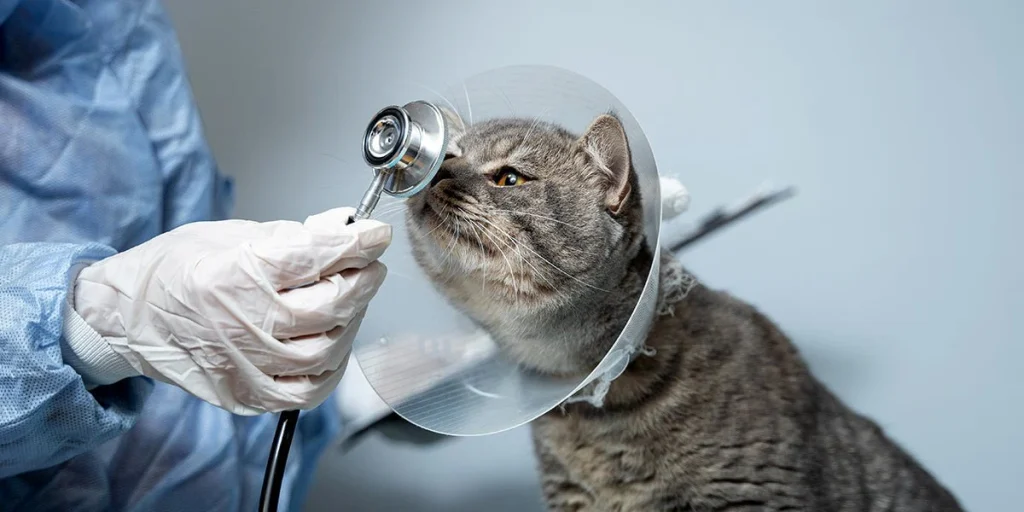
It’s also wise to familiarize yourself with emergency procedures. Keep your veterinarian’s number and a local emergency clinic’s contact details handy. If you suspect your cat has ingested something toxic, don’t wait for symptoms to appear, seek immediate help.
Recognizing The Symptoms Of Food Poisoning
Toxicity symptoms can vary depending on what your cat ate, but common signs include vomiting, diarrhea, drooling, lethargy, rapid breathing, trembling, or uncoordinated movements. In severe cases, cats may collapse or experience seizures.
Even if symptoms seem mild, it’s best to treat any ingestion of a toxic substance as an emergency. Some toxins cause delayed reactions, and by the time symptoms become severe, damage may already be done. Prompt veterinary care can make a life-saving difference.
Feeding Cats Safely
Cats thrive on a balanced, species-appropriate diet rich in animal protein. Commercial cat foods formulated by reputable brands meet their specific nutritional requirements. For owners who prefer homemade diets, consulting a veterinarian or animal nutritionist is essential to ensure proper nutrient balance.
Safe treats include small portions of cooked chicken, turkey, or plain fish without seasoning. Some cats also enjoy specially formulated cat treats that support dental health or hairball control. The goal is to provide variety without risking their health.
Conclusion
Knowing what foods are toxic to cats is a vital part of responsible pet care. It’s tempting to share our meals with our feline companions, but their bodies process food in entirely different ways. Even a tiny bite of something harmless to us can cause serious harm to them.
From chocolate and onions to alcohol and xylitol, the list of dangerous foods is longer than most people expect. The best rule to follow is simple: if it’s not formulated for cats, don’t feed it to them.
A cat’s well-being depends on our ability to protect them from hidden dangers in our kitchens. Feeding them safely means more than avoiding toxic foods, it’s an expression of love, trust, and responsibility. By keeping their diet pure and mindful, we not only prevent illness but also ensure our cats live healthier, happier lives by our side.