
Dogs have many ways of showing affection, curiosity, or even submission, and one of the most common gestures people notice is hand-licking. It might happen when you come home after a long day, when you reach out to pet your dog, or even randomly while sitting together on the couch. This behavior might seem simple, but it carries a variety of meanings depending on context, mood, and even your dog’s past experiences.
Why Dog Licks Your Hand?
I’ve often noticed how my own dog tends to lick my hand after I’ve been away for a while. It feels like a mix of greeting and reassurance, as if she’s confirming that I’m safe and still part of her pack. Dogs communicate in subtle, layered ways, and hand-licking is one of their most versatile social tools. To understand it better, I’ll go over the main reasons dogs do this, what it says about their emotions, and how to respond to it in a way that strengthens your bond.
Affection And Bonding
Dogs often lick to show affection, and when they target your hand, it’s their version of saying they care about you. In the canine world, licking plays a major role in bonding. Puppies lick their mother’s muzzle to get her attention, and adult dogs may lick one another to build trust and reinforce social ties. When your dog licks your hand, they might be extending that same nurturing instinct toward you.
It’s an act of closeness that feels instinctive to them. You’re part of their pack, and they use touch and taste to keep that connection strong. This behavior can be especially common in breeds known for being emotionally expressive, such as Golden Retrievers or Labradors, but nearly all dogs do it in some form.
Sometimes, dogs lick as a way to get your attention. If you’re busy, looking away, or distracted, your dog might lick your hand to bring your focus back to them. It’s their way of reminding you that they’re there and that they want interaction. For them, it’s not just about affection but also about being noticed and included.
Submission And Respect
Another reason a dog might lick your hand is to show respect or submission. In a dog’s social hierarchy, licking can signal acknowledgment of a higher status. Among dogs, subordinates often lick the muzzle or face of dominant members as a peace gesture or as a way to seek acceptance.
When your dog licks your hand, they could be communicating that same deferential gesture toward you. You’re their leader, and licking becomes a peaceful sign of trust and compliance. This is more common in gentle or shy dogs that seek reassurance from their owners.
It’s not always about fear or insecurity, though. In most cases, this form of submission is healthy and natural. It’s their way of saying, “I trust you to take care of me.” You might notice it happens most when you’ve just corrected them or spoken in a firm tone. Afterward, they may lick your hand to restore harmony between you.
Exploring Through Taste And Scent
Dogs experience much of their world through their senses, particularly smell and taste. Your hand carries traces of your scent, body oils, and even what you’ve touched throughout the day. Licking becomes a form of exploration, allowing your dog to gather more information about you.
It might not always be emotional; sometimes, it’s purely sensory curiosity. Maybe you handled food, lotion, or something salty that caught their interest. Dogs’ tongues are sensitive, and they can detect a wide range of subtle tastes. When they lick your hand, they might be investigating what you’ve been up to.
In this way, licking serves as both communication and exploration. They’re learning about you, and the act reinforces their sense of connection to your daily activities. It’s one reason dogs seem to know so much about their humans without ever speaking a word.
Comfort And Reassurance
Dogs may also lick your hand as a form of self-soothing or comfort-seeking. Licking releases endorphins, chemicals that create feelings of calm and pleasure. It’s a mechanism dogs use to relax themselves when they’re feeling anxious or uncertain.
If your dog tends to lick your hand during stressful situations, like thunderstorms, vet visits, or loud noises, it’s possible they’re using that action to cope. They might also be looking to you for comfort. Your scent and touch are familiar, and licking your hand helps them feel safe.
In such moments, it’s not necessary to discourage the behavior unless it becomes excessive. Gentle petting or soft reassurance can help reinforce their sense of safety without making them more dependent on licking for calm. Over time, dogs learn that they can find comfort in your presence alone.
Attention-Seeking Behavior
Some dogs learn that licking earns a quick response from their owners. Even a simple “stop that” or laugh can serve as reinforcement. Dogs, being smart observers, quickly figure out what behaviors get them noticed.
If your dog licks your hand persistently, especially when you’re occupied, they might just be craving interaction. In these cases, the licking isn’t necessarily about affection or submission but about drawing your focus back to them. Dogs thrive on attention, and sometimes they don’t mind whether it’s positive or corrective.
This doesn’t mean you should ignore your dog altogether. It just helps to balance their need for attention with healthy boundaries. Offering regular playtime, exercise, and mental stimulation can reduce their reliance on licking to get noticed.
Hunger And Food Association
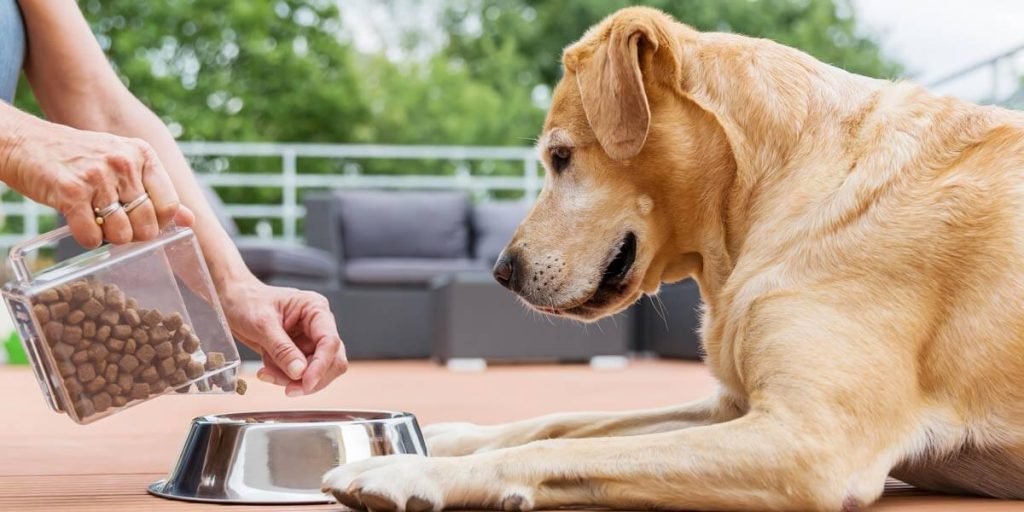
Some dogs associate your hands with food, especially if you hand-feed them treats or meals. The scent of food lingers on human skin longer than we realize. Even if you’ve washed your hands, your dog’s sensitive nose can still pick up microscopic traces of flavors.
Licking might simply mean they’re checking for snacks. It’s also possible they’re expressing gratitude or anticipation. Dogs are creatures of habit, and if they’ve learned that hands often deliver good things, licking becomes a natural reaction.
This behavior tends to be harmless, though it can become annoying if it happens too often. If you suspect it’s food-driven, washing your hands thoroughly and avoiding feeding directly by hand might help reduce the urge.
Instinctive Caregiving
In the wild, dogs and wolves lick one another for grooming and caregiving. Mothers lick their pups to clean them, stimulate circulation, and strengthen their bond. That nurturing instinct never disappears, even in domesticated dogs.
When your dog licks your hand, it could be a subtle display of that same instinct. They see you as part of their family and want to care for you the way they would a pack member. It’s a deeply ingrained behavior that signals mutual protection and affection.
Some dogs even try to lick away what they think are wounds or dirt on your hands. They may interpret sweat, scratches, or lotions as something to clean. It’s a sweet, if slightly messy, way of showing concern.
Stress, Anxiety, Or Compulsive Licking
Not all hand-licking is positive or harmless. In some cases, it might indicate stress or a compulsive habit. Dogs under chronic anxiety sometimes resort to repetitive behaviors, including excessive licking. If your dog licks your hand obsessively, even when you’re not paying attention, it might be a sign of unease.
Triggers can include changes in routine, loneliness, or insufficient physical activity. Dogs with separation anxiety, for example, may lick excessively as a coping mechanism. You might also notice other signs like whining, pacing, or destructive behavior when left alone.
In such cases, it’s worth observing the broader context. If the licking seems excessive, consult a veterinarian or animal behaviorist. They can help determine whether it’s behavioral or medical in nature and suggest solutions like enrichment activities, training, or calming techniques.
Health Reasons Behind Licking
Sometimes, a dog’s licking may have underlying health causes. Nausea, dental problems, or gastrointestinal discomfort can lead to increased licking behavior. Since licking can release saliva and help neutralize stomach acids, dogs might instinctively lick your hand, or any surface, to soothe their system.
If your dog suddenly starts licking your hands more than usual and shows other signs such as drooling, vomiting, or loss of appetite, it could point to an internal issue. In such cases, veterinary evaluation is important. Early detection can prevent small issues from turning into serious conditions.
How To Respond To Hand-Licking
Your response should depend on the context. If the licking is gentle, occasional, and affectionate, it’s generally safe to allow it. It’s one of the ways dogs express love, and acknowledging it helps strengthen your bond. You can softly talk to them or pet them to show that you appreciate the gesture.
However, if it becomes excessive or disruptive, setting boundaries is necessary. Redirecting the behavior works better than punishment. You might withdraw your hand calmly when they start licking or offer a toy instead. Over time, they’ll learn that there are appropriate moments for affection.
It’s also important to consider hygiene. Dog saliva contains bacteria that may not always be safe for open wounds or sensitive skin. Washing your hands after extended licking sessions helps maintain good hygiene for both of you.
Building Healthy Emotional Bonds
Every interaction between you and your dog contributes to your relationship. Hand-licking is part of their emotional vocabulary, a small but meaningful way they communicate love, loyalty, or comfort. By paying attention to how and when they lick, you can learn more about their emotional needs and respond appropriately.
Dogs don’t express affection through words. They rely on actions, and licking is one of their clearest expressions of trust. Whether it’s a greeting, reassurance, or an invitation to play, the act always carries a message of connection.
The more time you spend with your dog, the easier it becomes to interpret these gestures. Each dog has its own personality, and some may be more prone to licking than others. What matters most is reading the intent behind the action and responding in a way that fosters comfort and understanding.
Conclusion
A dog licking your hand can mean many things, affection, respect, curiosity, or even mild anxiety. It’s a layered behavior rooted in their instincts, emotions, and social patterns. Most of the time, it’s a positive and natural expression of their relationship with you.
By observing context and frequency, you can tell whether the behavior is healthy or if it points to something deeper, like stress or illness. Either way, it’s a form of communication. Your dog is expressing themselves in the way they know best, using their tongue as both a tool and a message.
Responding with awareness, patience, and love turns these simple interactions into moments of connection. A lick on the hand might seem small, but in your dog’s language, it speaks volumes about trust, belonging, and the bond you share every day.