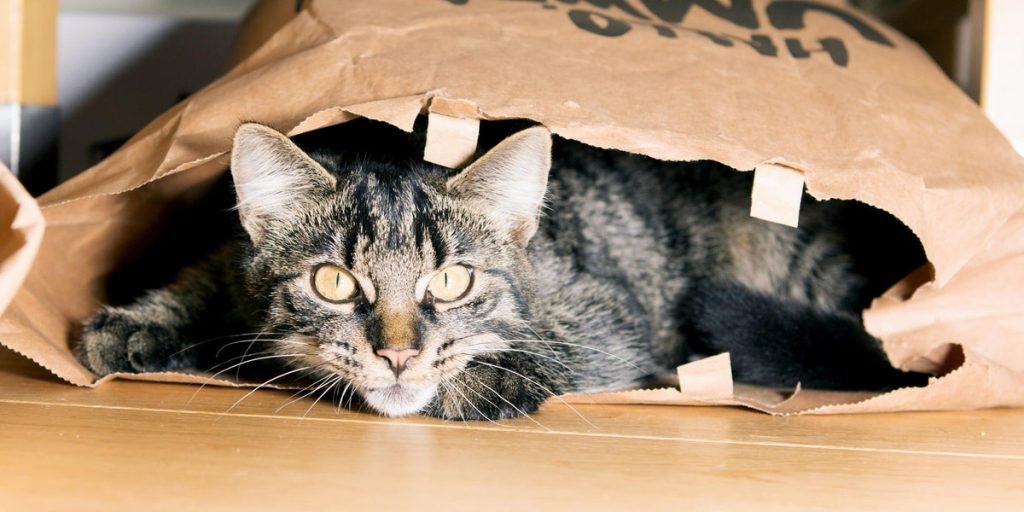

Cats have a fascinating way of showing affection, and one of the most puzzling gestures they make is bringing their owners what looks like a “gift.” This could be a toy, a piece of clothing, or sometimes something far less pleasant, like a dead mouse or a half-chewed insect. The sight might make you cringe or even yelp in surprise, but to your cat, this act carries a lot of meaning. Over the years, I’ve come to see this behavior not as random but as a glimpse into a cat’s complex emotional and instinctual world.
Why Cat Brings You a Gift
At its core, the act of bringing gifts is tied to your cat’s natural hunting instinct. Cats are born hunters, even those who have never set foot outside. Their instincts drive them to stalk, pounce, and capture prey, whether that’s a real mouse or a toy that rolls across the floor. In the wild, mother cats often bring home dead or injured prey to teach their kittens how to hunt. It’s a lesson in survival, a sign of care and education.
When a cat brings something to you, they might be following that same instinct. To them, you’re part of their social group, and they’re trying to share resources or “teach” you the way they would another cat. It’s their version of saying, “Look what I found!” or “Let me show you how it’s done.”
Even if your cat is well-fed and never goes hungry, that doesn’t stop the hunting behavior. The drive to hunt is hardwired, and your cat’s “gifts” are just an expression of that instinct.
How Cats Decide What To Bring You
Not all cats bring the same types of gifts. Some present toys or random household items, while others insist on delivering live, or dead, creatures. Indoor cats are more likely to offer small objects they find around the house. Outdoor cats, on the other hand, have access to natural prey like birds, mice, and lizards.
What your cat chooses to bring often depends on what’s available and what they associate with you. If your cat has a favorite toy, they may carry it around and drop it near your feet as a sign of connection. It might not seem like much, but in their mind, it’s a valuable offering.
Outdoor cats bringing animals home might actually be doing something quite profound. They’re not trying to disgust you, they’re involving you in a ritual that’s part protection, part affection, and part instinct. They trust you enough to share their “catch,” and in the feline world, that’s a big deal.
Is It A Sign Of Love?
Many cat owners wonder if these gifts mean their cat loves them, and the answer is yes, in their own unique way. Cats don’t express affection the same way humans or dogs do. Instead of kisses or wagging tails, they show love through behaviors that make sense in their world. Bringing a gift is one of those gestures.
To your cat, you’re family. They may see you as a fellow cat or even a slightly incompetent one who can’t hunt for yourself. By bringing you a gift, they’re showing that they care enough to share what they value. It’s a token of trust, loyalty, and connection.
Of course, love from a cat can be complicated. Some cats may bring gifts to seek attention or praise, while others do it purely out of instinct. Either way, it’s a gesture rooted in emotional and social connection.
The Teaching Instinct
Female cats are particularly known for their nurturing and teaching instincts. In nature, a mother cat will first bring home dead prey to her kittens, then later bring live ones for them to practice hunting. If your cat brings you a mouse or insect, it might be an attempt to teach you in the same way.
She might be thinking, “You clearly don’t know how to hunt, so let me show you.” It sounds amusing, but it’s a real expression of mentorship and bonding. Even if your cat is spayed or never had kittens, those instincts often remain strong.
Attention-Seeking Behavior
Sometimes, cats bring gifts simply to get a reaction. They notice how you respond, whether you praise them, pet them, or squeal in shock. Cats are observant creatures, and they quickly learn which actions get your attention. If bringing you something gets them noticed, they might repeat it.
In that sense, it’s a form of communication. Your cat may be saying, “Look at me!” or “Let’s interact.” Paying attention to their body language can tell you more about their motivation. If they seem proud, purring and rubbing against you after dropping the gift, they’re likely seeking positive acknowledgment.
Do Cats Expect Praise?
Most cats appreciate acknowledgment after delivering a gift. They might wait nearby, watching your reaction closely. A soft tone, a few kind words, or a gentle pet on the head can go a long way. Scolding or shouting may confuse them, as they genuinely think they’ve done something good.
Cats interpret tone and energy more than specific words, so it’s best to respond calmly. You don’t have to touch or keep the “gift,” but a simple expression of gratitude keeps their trust intact. If you show anger, your cat might become anxious or withdraw from you emotionally.
How To Handle Unpleasant Gifts
Not all gifts are easy to appreciate. A bird feather or a mouse on the doorstep can be difficult to stomach. Still, handling it gracefully is part of maintaining your bond with your cat. If you find an animal your cat has brought in, dispose of it discreetly while your cat is distracted. Avoid punishing them, they’re only following natural instincts.
To reduce unwanted hunting, you can make small adjustments. Keeping your cat indoors more often, attaching a bell to their collar, or providing more stimulating playtime at home can all help. These steps let them express their hunting drive in healthier ways.
Why Indoor Cats Bring Toys Instead Of Prey
Indoor cats don’t have access to live prey, so they substitute toys or random items. You might find a sock on your pillow or a stuffed mouse dropped at your feet. These are still gifts, just safer and cleaner ones. The meaning doesn’t change. It’s their way of saying they care, or they want to play with you.
Many indoor cats become attached to specific toys, treating them almost like real prey. They’ll stalk, pounce, and carry them around proudly before presenting them to you. If you praise or play along, it reinforces their instinct to share and bond.
Why Cats Bring Gifts At Night
Cats are most active during dawn and dusk, known as crepuscular hours. These are the natural hunting times for felines. If your cat brings gifts in the middle of the night, it’s not random, it’s instinct. Their body clock tells them it’s time to hunt, and they want to share the results with you.
You might wake up to find a toy on your bed or hear a proud meow announcing their accomplishment. This behavior is a sign of trust, even if it disturbs your sleep. Keeping some toys available during nighttime hours can redirect their energy away from hunting real animals or waking you up.
The Symbolism Behind Cat Gifts
Cats communicate through actions more than sounds, and their gifts hold symbolic meaning. A cat bringing a gift signifies loyalty, affection, and a sense of belonging. It’s a sign that they see you as part of their world, someone worth sharing with.
In feline social groups, sharing food and grooming are bonding acts. By bringing you something, your cat is performing a similar ritual. They’re reinforcing the bond, even if their gift isn’t something you’d ever want.
Some people interpret the gesture spiritually, viewing it as a sign of gratitude or protection. Whether you believe in symbolism or not, it’s clear that cats use these actions to express complex emotions that go far beyond simple instinct.
Play As A Substitute For Hunting
One of the best ways to manage your cat’s gift-giving instincts is through regular play. Play mimics hunting behavior, it lets your cat chase, pounce, and “catch” objects in a controlled setting. Feather wands, laser pointers, and crinkle balls are great ways to satisfy their predatory drive.
When cats get enough stimulation through play, they’re less likely to hunt or bring unwanted surprises. It also strengthens your relationship. Engaging in play makes you part of their hunting experience, fulfilling both their physical and emotional needs.
Do Male Cats Bring Gifts Too?
While female cats are often more nurturing, male cats can also bring gifts. In multi-cat households, males may bring toys or food to other cats as a way to establish social bonds. They might even present these items to humans, showing trust and affection.
The motivation is similar across genders, it’s about connection and instinct. Whether your cat is male or female, the behavior is a natural reflection of their social nature.
Can You Stop A Cat From Bringing Gifts?
It’s almost impossible to completely stop this behavior, but you can manage it. Cats need an outlet for their hunting instincts, and suppression can lead to frustration or boredom. Instead, redirect their energy.
Interactive play, hunting-style toys, and enrichment activities help satisfy those instincts. If your cat goes outdoors, consider limiting their roaming area or adding a bell to reduce successful hunts. Encouraging them to focus on toys instead of wildlife is a more sustainable approach.
You can also schedule feeding and play sessions around dawn and dusk to mimic natural hunting times. This helps your cat feel fulfilled without resorting to real hunting.
The Emotional Connection Behind The Gesture
Ultimately, cats bring gifts because they’re emotionally connected to you. They might not express love with hugs or words, but their gestures carry deep meaning. The moment they drop a toy at your feet or meow proudly after catching something, they’re saying, “You matter to me.”
It’s easy to forget that cats see the world differently from humans. What seems gross or confusing to us is perfectly normal in their minds. Accepting these gifts with grace, even if just through gentle acknowledgment, strengthens the bond you share.
What If Your Cat Stops Bringing Gifts?
If your cat used to bring gifts but suddenly stops, it’s not necessarily a bad sign. As they age, their hunting drive might decrease, or they might feel less need to seek your attention. It can also mean they’ve found new ways to connect with you, through cuddles, meows, or simple presence.
However, if the change comes with other behavioral shifts like lethargy or loss of appetite, it’s worth consulting a vet. Sometimes, changes in behavior signal health issues rather than emotional changes.
Accepting The Gesture Gracefully
It can be challenging to appreciate a dead mouse on your porch or a soggy toy on your pillow, but from your cat’s perspective, it’s a compliment. They trust you enough to share what’s valuable to them. Responding calmly and kindly goes a long way in reinforcing that trust.
You don’t have to reward the act with treats, but showing appreciation through affection or play helps maintain the emotional connection. Over time, your cat might replace real prey with toys as their preferred offerings.
Conclusion
Cats bring gifts for reasons rooted in instinct, affection, and social bonding. Whether it’s a toy, a sock, or something less pleasant, the gesture is a sign of trust and care. They’re not trying to shock you, they’re trying to include you in their world.
Understanding the meaning behind the act allows you to see it through their eyes. It’s their way of saying, “You’re family,” or “I want to share with you.” By responding with patience, appreciation, and a little humor, you honor that bond and strengthen your relationship.
In the end, a cat’s gift, no matter how strange, reminds us that love often comes in unexpected forms. It might not look like what we’d expect, but to them, it’s the purest expression of affection they know.