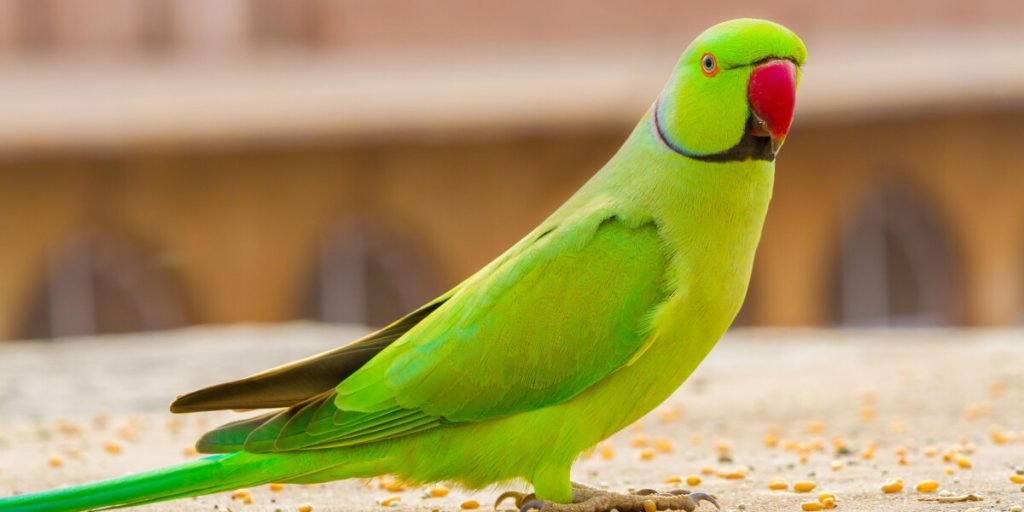

A happy parakeet is unmistakable once you know what to look for. The joy and energy of these little birds fill any room they inhabit. But understanding their happiness takes observation and time. I’ve spent countless hours watching parakeets in different moods, and I’ve learned that their body language, behavior, and sounds all tell a story. Knowing these signs helps strengthen the bond between you and your bird while ensuring they’re living a full, content life.
Bright and Clear Eyes
A parakeet’s eyes say a lot about how it feels. A happy parakeet’s eyes are clear, bright, and alert, without any discharge or cloudiness. The bird often moves its head quickly, glancing around its environment with curiosity. Dull or half-closed eyes can indicate fatigue or illness, but sharp, sparkling eyes are a good sign your parakeet feels safe and well. I’ve noticed that my own birds keep their eyes wide open during playtime or when I approach with treats, showing enthusiasm and trust.
Active and Curious Behavior
Parakeets thrive on movement and exploration. A happy bird is rarely still for long, it hops around, climbs its cage, and plays with toys. I always take it as a great sign when my parakeet tries to investigate new objects or rearrange things in the cage. This curiosity shows mental engagement and comfort in its environment. A bird that sits quietly for hours or seems uninterested in its surroundings might not be feeling well or could be stressed. Activity and curiosity are reliable indicators of happiness.
Steady and Frequent Chirping
A cheerful parakeet fills the air with sound. Whether it’s soft chattering or bursts of high-pitched chirps, vocalization is one of the strongest signs of happiness. My parakeets start their mornings with lively chatter, almost as if they’re greeting the day. They sing along to music and respond to my voice. However, constant screaming or silence can mean something is wrong. Balanced, joyful chirping signals that your bird feels secure and connected to its environment.
Preening and Feather Maintenance
Grooming is part of a parakeet’s daily routine. A happy bird keeps its feathers clean and smooth, using its beak to preen carefully. Preening shows both physical comfort and emotional contentment. Birds that feel safe will even preen in front of you, which is a sign of trust. I often see my parakeets fluff up their feathers after a long preening session and stretch their wings, it’s their version of self-care. Conversely, messy feathers or lack of preening can point to stress or illness.
Tail Movements and Body Posture
A happy parakeet’s body language is fluid and relaxed. The tail moves up and down gently while breathing, and the bird stands tall and balanced. Sometimes the tail feathers spread out slightly during excitement. If the bird’s feathers are puffed up for long periods or it hunches low on the perch, that can indicate discomfort. Watching how your parakeet holds itself throughout the day gives you clues to its mood. In my experience, a bird perched confidently on one foot with relaxed feathers is calm and content.
Playfulness and Interaction
Play is essential for a parakeet’s mental health. A happy parakeet loves to play with bells, mirrors, and colorful toys. I like rotating my birds’ toys every week to keep things fresh. A curious parakeet quickly investigates new additions and may even invent games, like tossing small objects or hanging upside down. Interaction with you also matters, if your parakeet hops onto your hand, chirps at you, or nibbles gently at your fingers, that’s affection and trust. These behaviors show a strong bond and emotional satisfaction.
Singing and Mimicking
Some parakeets learn to mimic sounds or words, and they do this most when they’re happy and stimulated. If your parakeet starts repeating whistles, sounds, or short phrases it hears often, it means the bird feels safe enough to engage socially. My parakeet loves mimicking the sound of my phone’s notification tone, which he only does during the day when he’s in a good mood. This kind of behavior means your bird is mentally alert and enjoying interaction with its surroundings.
Relaxed Sleeping Habits
Sleep patterns reveal a lot about your parakeet’s well-being. A happy parakeet sticks to a consistent sleep schedule, usually sleeping about ten to twelve hours a night. It may tuck its head into its feathers or sleep on one foot, both signs of comfort. I’ve noticed my parakeets sometimes chatter softly before bedtime, almost like they’re winding down after a busy day. A bird that sleeps peacefully and wakes up alert the next morning is likely content with its environment.
Appetite and Feeding Behavior
A healthy appetite is another sign of happiness. A happy parakeet eats regularly, picking through seeds or pellets and exploring fresh fruits and vegetables. I always watch how eagerly my birds go for their morning meal, it’s usually a good mood indicator. If a parakeet suddenly loses interest in food or begins throwing it out of the dish, it might be feeling unwell or stressed. Birds that eat enthusiastically, drink water, and occasionally nibble on cuttlebone are displaying natural, satisfied behavior.
Engaging With Other Birds
If you have more than one parakeet, social interaction is key to their happiness. A happy parakeet enjoys the company of others, chattering, grooming, and playing together. They might sit close on the same perch or feed each other as a sign of bonding. I’ve seen my pair of parakeets spend hours playing tug-of-war with a toy or gently preening one another. Conflict or aggression, on the other hand, could indicate overcrowding or lack of personal space. A calm, social bird dynamic means all your parakeets are emotionally balanced.
Flapping and Flying for Joy
Exercise brings out the best in parakeets. A happy bird loves to stretch its wings and fly around when given the chance. My parakeet often flaps its wings rapidly while perched, a playful display of energy and confidence. Flight helps keep them physically fit and mentally stimulated. Birds that get enough space to move freely tend to show more curiosity and less anxiety. Watching a parakeet soar around the room before landing gracefully back on its perch is one of the purest signs of joy.
Gentle Beak Behavior
Parakeets use their beaks to express affection as well as curiosity. A gentle nibble or light peck usually means the bird feels comfortable with you. My parakeet often taps my finger softly before climbing onto my hand, showing trust. If a bird bites hard, though, that’s usually frustration or fear. A content bird uses its beak playfully, exploring without aggression. Over time, these subtle gestures reveal a lot about how secure your bird feels around you.
Bathing and Water Play
Many parakeets adore bath time. They may flutter in shallow water, splash around, and shake their feathers with enthusiasm. A bird that willingly bathes shows confidence and comfort. I like offering a small dish of water a few times a week, and my parakeets always know what to do. Afterward, they preen themselves carefully and fluff their feathers, a clear sign of satisfaction. Birds that refuse to bathe might be nervous or uncomfortable in their surroundings.
Comfortable Around People
A parakeet that recognizes and welcomes you is a happy one. My birds chirp loudly the moment I walk into the room and sometimes fly to greet me. They hop onto my hand or shoulder without hesitation, signaling deep trust. If your parakeet talks, whistles, or makes joyful sounds in your presence, it feels safe and connected to you. Building this bond takes time, but once formed, it becomes one of the clearest indicators of happiness.
Balanced Energy Levels
While activity is important, balance matters too. A happy parakeet has bursts of energy followed by moments of rest. Throughout the day, you might see it playing actively, then sitting quietly to preen or observe. This rhythm shows a stable and well-adjusted temperament. My parakeets often rest after morning play sessions, then perk up again in the afternoon. Too much lethargy or excessive hyperactivity can indicate stress, but steady balance shows your bird is emotionally at ease.
Whistling and Communicating With You
Parakeets that whistle back or respond to your voice are expressing happiness. They enjoy two-way communication and often use it to strengthen bonds. I’ve noticed that my birds whistle most during feeding time or when I’m nearby. Their whistles differ in tone and rhythm, almost like a language of affection. This interactive communication means your parakeet recognizes you as part of its flock and feels secure around you.
Trust and Body Contact
A parakeet that trusts you enough to sit on your hand, shoulder, or even nibble your ear is clearly content. Trust takes time, but once established, it’s a sign of a deeply happy bird. My parakeet sometimes gently leans its body against my cheek, and that closeness shows comfort. Birds are naturally cautious, so such moments of connection reveal that your pet feels emotionally safe and loved in your care.
Singing With Other Sounds
Some parakeets join in on background sounds like music or television. If your bird starts singing or chirping along, that’s another sign of happiness. My parakeet whistles along with upbeat songs, and I can tell it’s enjoying the energy in the room. They pick up on the mood of their environment, so a lively, positive setting encourages cheerful vocalization. It’s almost like they’re celebrating with you.
Conclusion
Recognizing the signs of a happy parakeet helps create a stronger bond between you and your bird. From bright eyes and steady chirping to playful energy and gentle affection, these behaviors show that your feathered friend feels safe, stimulated, and loved. The key is to provide a balanced diet, a clean and engaging environment, and regular social interaction. Over time, you’ll learn your parakeet’s unique expressions of joy and comfort. Watching your bird thrive under your care is one of the most rewarding parts of pet ownership, a reminder that even the smallest creatures can show immense happiness when given the right attention and love.