
Dehydration is one of those conditions that can sneak up on a pet far faster than most owners realize. Whether you have a dog, cat, rabbit, reptile, or bird, proper hydration is as vital to their well-being as it is to ours. Yet, pets often hide discomfort or distress, making it tricky to spot dehydration before it becomes serious. I’ve learned that being observant about their behavior, appearance, and daily habits can make all the difference. Recognizing the early signs of dehydration in pets not only helps you intervene early but can also prevent life-threatening complications.
Why Hydration Is Crucial for Pets
Water supports nearly every function in an animal’s body. It regulates temperature, lubricates joints, aids digestion, and keeps organs functioning smoothly. Without adequate hydration, their body begins to struggle with basic processes. Cells can’t perform efficiently, toxins build up, and the heart works harder to circulate blood. For active animals, the effects can appear even sooner, especially in warm environments or during physical activity.
Some pets, like dogs and cats, lose water through panting and urination, while reptiles and small mammals lose it through respiration and evaporation. This makes it essential to always provide clean, fresh water and monitor their intake, especially during hot weather or illness.
Common Causes of Dehydration
Dehydration can develop for several reasons, and not all of them are immediately obvious. The most common cause is simple, your pet isn’t drinking enough water. However, underlying health issues, such as kidney disease, fever, vomiting, or diarrhea, can also drain fluids rapidly.
Pets that spend a lot of time outdoors are particularly vulnerable during hot seasons. Heat exposure increases their risk of losing fluids faster than they can replenish. Stress, travel, and changes in environment or diet can also affect how much they drink. Even pets that are sick or injured might avoid water altogether, making it critical to keep an eye on their habits.
Subtle Behavioral Changes
Behavioral shifts are often the first indicators that your pet may be dehydrated. You might notice your dog or cat acting lethargic, less playful, or unusually still. They might seem disinterested in food or show reduced enthusiasm for walks and activities they normally enjoy.
For small mammals like guinea pigs or rabbits, they may sit hunched or refuse to move from a single spot. Birds may become unusually quiet or fluff up their feathers more often than usual. Reptiles might spend more time in the cooler areas of their enclosure, trying to conserve energy.
The key is recognizing that any sudden drop in energy or change in routine deserves attention. Even subtle differences can indicate that your pet’s hydration levels are off.
Changes in Physical Appearance
Physical symptoms can be even more revealing than behavioral cues. In dogs and cats, one of the most telling signs is skin elasticity. Gently lift a small fold of skin on the back of their neck or between the shoulder blades. In a well-hydrated pet, the skin quickly snaps back into place. If it stays tented or moves slowly, dehydration may be present.
Dry or tacky gums are another warning sign. Normally, gums should be smooth, moist, and pink. If they appear pale, sticky, or dry to the touch, it’s a sign that your pet needs water immediately.
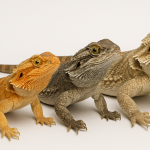
For reptiles, dehydration often shows through wrinkled skin, sunken eyes, or flaky scales. Turtles and lizards may appear less alert or have difficulty moving smoothly. Birds, on the other hand, may show dry beaks, dull feathers, or crusty nostrils.
Unusual Eating and Drinking Habits
Pay attention to how often your pet visits their water bowl or feeder. Drinking less water than usual is a clear sign of potential dehydration, but excessive drinking can also point to underlying health issues like diabetes or kidney disease.
In some cases, pets might try to compensate by eating moist foods or licking surfaces, which could be a cry for more hydration. If your pet refuses both food and water for more than a day, it’s a serious red flag that requires immediate attention.
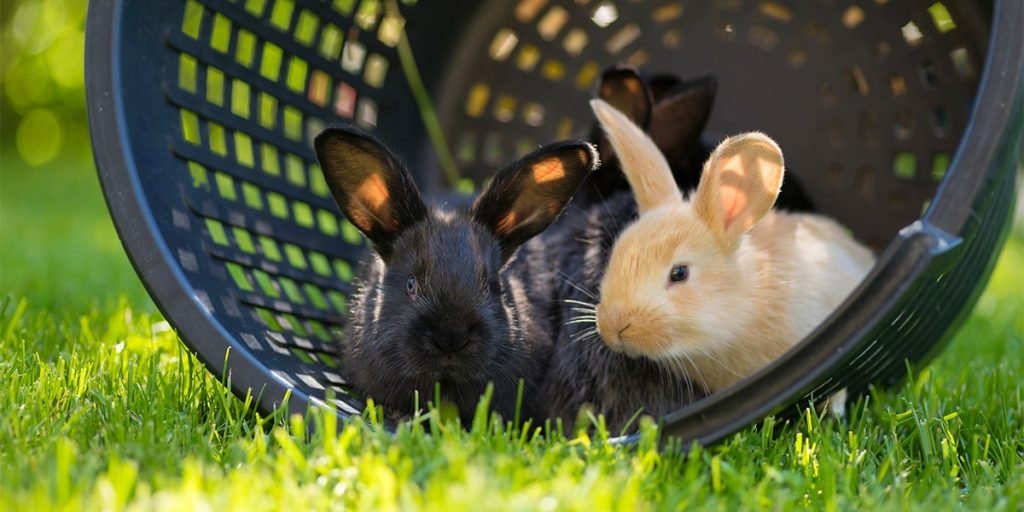
Rabbits and guinea pigs, in particular, are prone to rapid dehydration due to their small size and fast metabolism. Even 12 hours without proper water intake can cause serious health problems. For reptiles, ensure their water source is easily accessible and maintained at a suitable temperature, as cold water can sometimes discourage them from drinking.
The Role of Environmental Factors
Environment plays a significant role in your pet’s hydration status. Hot weather, dry air, and inadequate ventilation can cause dehydration faster than you’d expect. Even indoor pets are affected if the air conditioning or heating system dries out the air.
In summer, dogs and cats lose fluids through panting, while birds and small mammals may experience heat stress. Reptiles are especially sensitive because their hydration balance is directly influenced by humidity and temperature levels inside their enclosure.
Adjusting your pet’s surroundings can make a big difference. Adding a humidifier, providing shaded areas, or misting reptile tanks can all help maintain proper hydration.
Early Warning Signs Across Different Species
Each type of pet exhibits dehydration differently. For example:
- Dogs and Cats: Dry nose, sunken eyes, sticky saliva, slow skin elasticity, and panting without activity.
- Rabbits and Guinea Pigs: Reduced urine output, dull fur, lethargy, sunken eyes, and decreased appetite.
- Birds: Fluffed feathers, loss of balance, dry beak, and reduced vocal activity.
- Reptiles: Loose or wrinkled skin, sunken eyes, lethargy, and lack of shedding in snakes or lizards.
Recognizing these species-specific signs early can prevent dehydration from progressing into heatstroke or organ failure.
Simple Home Tests for Dehydration
While professional diagnosis is ideal, you can perform simple checks at home to gauge hydration levels. Besides the skin elasticity and gum moisture test, observe your pet’s urine. Concentrated, dark urine or reduced urination frequency are clear indicators of dehydration.
You can also weigh your pet regularly. Sudden weight loss over a short period might signal fluid loss. For reptiles and small mammals, who can lose weight quickly, this is particularly important.
In birds, you can monitor droppings. If they appear dry or fewer in number, dehydration might be developing.
Preventing Dehydration Before It Starts
Prevention is always better than treatment. Make sure your pet has constant access to clean, fresh water. Change the water daily and wash the bowls to prevent bacterial buildup. If your pet seems uninterested in drinking, try using filtered or cooled water, which may be more appealing.
Wet foods can also supplement hydration, especially for cats, who naturally have a low thirst drive. Adding a splash of water or broth to dry food can make a big difference. For small pets and reptiles, misting enclosures or offering water-rich vegetables like cucumber can help maintain fluid balance.
On hot days, provide shade, reduce exercise, and avoid walking dogs on hot pavements that increase body heat. For caged pets, place their enclosure away from direct sunlight and ensure ventilation without drafts.
What To Do If You Suspect Dehydration
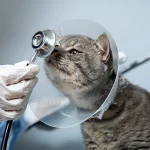
If you believe your pet is dehydrated, offer small sips of water immediately. Avoid letting them gulp too quickly, as it might cause vomiting. In severe cases, dehydration requires professional intervention. A veterinarian may administer subcutaneous or intravenous fluids to restore balance.
Documenting symptoms and taking note of how long they’ve been present will help the vet assess the severity faster. Mention any recent changes in diet, environment, or behavior, as these details can provide crucial context.
How Long Pets Can Go Without Water
Different pets have varying tolerance levels. Dogs and cats might manage a day without water in cool conditions, but it’s risky and can turn dangerous quickly. Rabbits and small rodents deteriorate much faster, sometimes within half a day. Reptiles depend heavily on humidity and may survive longer if conditions are ideal, but lack of direct hydration will still cause harm.
The takeaway is that no pet should ever be without water. Even a few hours of neglect can lead to dehydration, stress, and heat exhaustion.
The Link Between Dehydration and Illness
Dehydration doesn’t always occur on its own. It’s often a symptom of a deeper issue. Kidney problems, digestive disorders, heatstroke, or infections can all cause rapid fluid loss. If your pet frequently becomes dehydrated despite proper water availability, a medical condition might be at play.
Monitor your pet for additional symptoms such as vomiting, diarrhea, or changes in urination. These could indicate an internal imbalance that needs veterinary evaluation.
Encouraging Reluctant Drinkers
Some pets are naturally picky drinkers. Cats, for instance, often prefer running water. Installing a pet fountain can encourage them to drink more. Dogs might prefer cooler or slightly flavored water, such as a drop of unsalted broth.
For reptiles, ensure the humidity levels match their species needs. Mist or soak them gently if needed, especially before and after shedding. Small animals may benefit from water-rich snacks like lettuce, celery, or watermelon in moderation.
Sometimes, simply moving the water bowl to a different location can make a difference. Pets may avoid drinking if their bowl is too close to food, litter boxes, or high-traffic areas.
Maintaining Hydration During Travel
Traveling with pets increases the risk of dehydration due to stress and limited access to water. Carry portable water dispensers, and make frequent stops for dogs and cats to drink. For smaller pets, use secure water bottles or damp vegetables during short trips.
Avoid leaving pets in vehicles, even for a few minutes. Temperatures can rise rapidly, leading to severe dehydration or heatstroke in minutes.
Conclusion
Recognizing the first signs of dehydration in pets is one of the most valuable skills any owner can develop. Subtle changes in energy, skin elasticity, and moisture levels often signal that something is off long before a crisis occurs. Hydration isn’t just about providing water, it’s about observing habits, maintaining proper environments, and addressing issues early.
Each pet has unique needs, but the principle remains the same: prevention, observation, and quick response. By staying attentive and proactive, you not only keep your pet hydrated but also ensure they remain healthy, comfortable, and full of life.