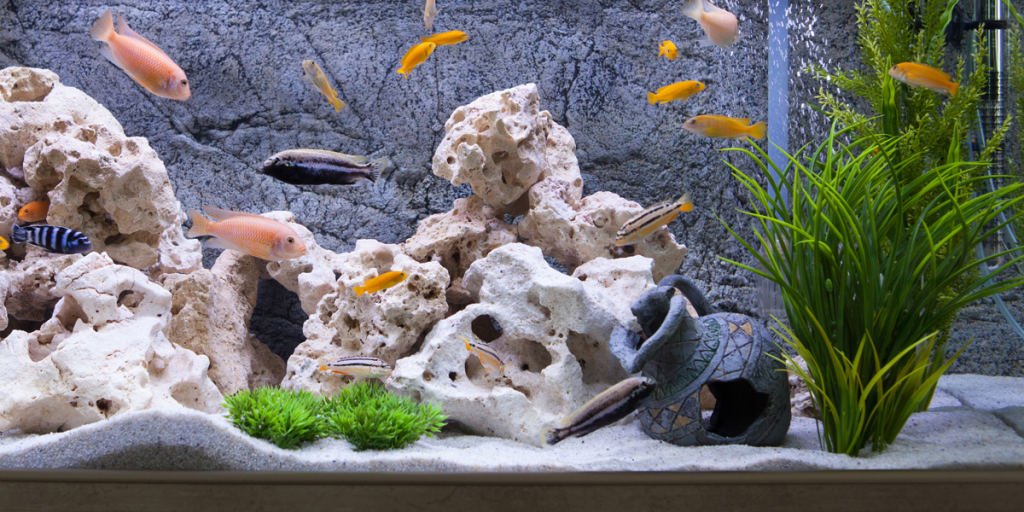

Aquarium maintenance is one of those tasks that can make the difference between a thriving underwater world and a tank that slowly turns into a cloudy mess. I’ve found that cleaning an aquarium isn’t just about appearance, it’s about creating a healthy, stable ecosystem for the fish and plants that depend on it. Too much cleaning can disrupt the balance, while too little can cause water quality to deteriorate. Finding the right cleaning schedule depends on the size of the tank, the number of fish, and the type of filtration system you use.
Let’s deep dive into How Often Should I Clean My Aquarium?
The Role of Regular Maintenance
A clean aquarium does more than look beautiful, it supports the biological balance that keeps fish healthy. Fish release waste, uneaten food breaks down, and plants shed leaves, all of which contribute to organic buildup. Without routine cleaning, this waste releases ammonia, nitrite, and nitrate, which can stress or even kill aquatic life.
I’ve noticed that tanks that receive consistent maintenance not only stay clearer but also have fish that are more active and colorful. The key is to maintain cleanliness without disturbing the beneficial bacteria that live in the filter and substrate. These bacteria convert harmful compounds into less toxic forms, forming the foundation of the aquarium’s nitrogen cycle.
Factors That Affect Cleaning Frequency
How often you clean your aquarium depends on several factors. The size of the tank plays a huge role. Smaller tanks require more frequent cleaning because waste builds up faster in limited water volume. A 10-gallon aquarium might need attention every few days, while a 55-gallon tank can go longer between cleanings.
The number of fish also matters. Overstocked tanks produce more waste, demanding more frequent water changes. I’ve seen tanks with just a few fish stay stable for weeks, while others with heavy bioloads require weekly intervention. Filtration efficiency and plant density also influence cleaning needs. Tanks with live plants and strong filters tend to stay balanced longer because plants absorb excess nutrients, and filters trap debris.
Daily Care Habits
Although a full cleaning doesn’t need to happen daily, small daily actions go a long way. Each day, I take a few minutes to check the tank’s temperature, ensure equipment is functioning, and observe the fish. Healthy fish are active, with clear eyes and bright colors. If they’re gasping near the surface or hiding constantly, it could be a sign of poor water quality.
Removing uneaten food after feeding is also a simple but powerful step. Food that sinks and decomposes contributes to ammonia spikes and cloudy water. Feeding smaller portions ensures fish eat everything within a few minutes, leaving little waste behind.
Weekly Maintenance Routine
Weekly cleaning is where the most visible improvements happen. This is when I perform partial water changes, clean the glass, and vacuum the substrate. Partial water changes help dilute accumulated waste without disturbing the tank’s balance. I usually replace 20 to 30 percent of the water each week using dechlorinated water that matches the tank’s temperature.
While changing water, I use a gravel vacuum to remove uneaten food and debris that settle at the bottom. The process also helps release trapped gases from the substrate. If I notice algae growing on the glass, I wipe it off with an algae scraper or a magnetic cleaner.
I also take this time to inspect the filter. I don’t replace all the filter media at once, as that would remove beneficial bacteria. Instead, I gently rinse the sponges or pads in tank water (never tap water) to remove excess dirt without killing the bacteria colonies that maintain balance.
Biweekly or Monthly Deep Cleaning
For larger or well-balanced aquariums, a deep cleaning every two to four weeks is usually enough. This includes thorough substrate vacuuming, trimming plants, and cleaning decorations. I like to remove artificial plants and rocks to scrub off stubborn algae with a soft brush. Real plants get a light pruning to remove decaying leaves that could affect water quality.
During deep cleaning, I check equipment like heaters, air pumps, and filters for proper function. Over time, calcium buildup or debris can clog parts, reducing their efficiency. I also check the tubing and air stones to ensure air circulation remains strong.
Water Changes and Their Importance
Water changes are the heart of aquarium cleaning. They remove dissolved wastes that filters can’t catch, like nitrates and phosphates. I’ve seen tanks go from cloudy and foul-smelling to crystal clear just from consistent water changes. The goal is to maintain stability, not perfection.
If I skip water changes, nitrate levels can rise, leading to algae blooms and stress on fish. Consistent changes prevent this buildup and keep pH levels steady. I use a water conditioner to neutralize chlorine and chloramine in tap water, which can harm fish and beneficial bacteria.
Managing Algae Growth
Algae is a natural part of any aquarium ecosystem, but too much of it signals imbalance. Excess light or nutrients usually trigger algae blooms. I’ve learned that controlling algae is about balance, not elimination. Reducing light exposure to eight to ten hours a day and limiting overfeeding are effective strategies.
During cleaning, I remove visible algae from the glass and decorations, but I also address the underlying causes. Introducing algae-eating species like snails or certain fish can help manage growth naturally. I also test for nitrate and phosphate levels to ensure they remain within safe ranges.
Filter Maintenance and Replacement
Filters are the lungs of the aquarium, continuously circulating water and hosting beneficial bacteria. Proper maintenance ensures they work efficiently. I check filters every one to two weeks to see if water flow has slowed down, which could indicate clogging.
When cleaning filter media, I avoid replacing all parts at once. Instead, I stagger replacements to preserve bacterial colonies. For example, I might replace a carbon cartridge but keep the sponge or bio media intact. I also rinse components in removed tank water rather than tap water to protect the microorganisms that keep the nitrogen cycle functioning.
Substrate and Gravel Cleaning
Over time, waste and leftover food accumulate in the substrate, creating pockets of harmful gas and bacteria. Regular gravel vacuuming helps remove debris and promote circulation. I usually clean one section of the gravel at a time during each water change to avoid disturbing too much beneficial bacteria at once.
For sand substrates, I use a lighter touch since sand compacts easily. Gently stirring the surface prevents anaerobic zones from forming while keeping the water clear. If the tank has bottom dwellers like catfish or loaches, their natural movement also helps aerate the substrate.
Cleaning Decorations and Plants
Decorations, rocks, and plants collect algae and biofilm over time. While these aren’t always harmful, excessive buildup can make the tank look dirty and reduce oxygen exchange. I remove decorations once a month and scrub them with a dedicated brush in a bucket of tank water.
Artificial plants can be soaked in a mild vinegar solution if they’re heavily coated with algae, but I always rinse them thoroughly before returning them to the tank. Live plants need more care, trimming dead leaves and ensuring healthy growth prevents decay that can foul the water.
Testing Water Quality
Testing water parameters is one of the most important parts of aquarium maintenance. I check pH, ammonia, nitrite, and nitrate levels weekly using a liquid test kit. These readings tell me how well the tank’s ecosystem is functioning.
Stable readings mean the cleaning routine is effective, while sudden spikes indicate an imbalance. For example, a rise in ammonia could mean overfeeding or filter issues. By tracking results over time, I can spot trends and make adjustments before they harm the fish.
Overcleaning and Its Consequences
While it’s tempting to scrub the aquarium spotless, overcleaning can do more harm than good. Excessive cleaning disrupts beneficial bacteria and destabilizes the nitrogen cycle. I’ve learned that clear water doesn’t always equal healthy water; it’s about biological balance.
If the tank is over-cleaned, fish may experience stress or even ammonia poisoning because the bacteria population can’t process waste efficiently. The goal is to clean just enough to maintain clarity and health without disturbing the ecosystem.
Special Cases: New Tanks and Heavily Stocked Tanks
New aquariums need more frequent monitoring since they lack mature bacterial colonies. I usually perform smaller, more frequent water changes, about 10 to 15 percent twice a week, until the tank stabilizes. Once the nitrogen cycle is established, maintenance can slow down.
Heavily stocked tanks, on the other hand, produce more waste and require more frequent cleaning. I’ve found that even with strong filtration, partial water changes twice a week might be necessary to maintain safe conditions. Testing water often helps determine whether the cleaning schedule needs adjustment.
Cleaning Saltwater vs. Freshwater Aquariums
Saltwater aquariums demand slightly different care than freshwater ones. The salt mix can leave residue on glass and equipment, so I wipe down surfaces regularly with a damp cloth. I also monitor salinity levels and replace evaporated water with fresh (not salty) water to maintain balance.
Live rock and corals in marine tanks add biological complexity. Instead of deep cleaning, I focus on maintaining consistent water parameters and managing algae growth naturally through a cleanup crew of snails and crabs.
Freshwater aquariums, though simpler, still need careful attention. I rely heavily on plants and proper filtration to reduce waste and improve oxygen levels, minimizing the need for constant scrubbing.
Common Mistakes in Aquarium Cleaning
A few cleaning habits can unintentionally harm an aquarium. Changing too much water at once can shock fish and alter water chemistry drastically. Using untreated tap water during refills introduces chlorine, which kills bacteria and irritates fish gills.
Another mistake is overusing cleaning chemicals. Even mild detergents or soaps are toxic to aquatic life. I always use aquarium-safe tools and rinse everything thoroughly with dechlorinated water.
Neglecting filter maintenance is another common error. A clogged filter reduces circulation and oxygen, leading to cloudy water and stressed fish. Regular checks prevent these issues and extend the lifespan of the equipment.
Signs Your Aquarium Needs Cleaning
Aquariums communicate their need for maintenance through several visual cues. Cloudy water, unpleasant odors, and visible debris are the most obvious signs. Excessive algae growth or fish gasping at the surface also indicate poor water quality.
If the water test shows high nitrate levels or pH fluctuations, it’s a clear sign the tank needs attention. I’ve learned that acting early prevents bigger problems, like fish illness or algae overgrowth, later on.
Establishing a Long-Term Cleaning Schedule
The best cleaning schedule is one that fits the specific tank and its inhabitants. I follow a general routine: quick checks daily, water changes weekly, and deeper cleaning monthly. This keeps the tank balanced without overwhelming it.
I also make seasonal adjustments. In warmer months, water evaporates faster, so I top off more frequently. During colder seasons, I monitor heaters and adjust the temperature to ensure stability. Consistency keeps the aquarium’s ecosystem resilient over time.
Final Thoughts
Cleaning an aquarium is about balance, not perfection. The goal isn’t to create a sterile environment but to maintain one that mimics nature’s steady rhythm. Over the years, I’ve realized that small, consistent efforts produce the best results. A stable, clean tank rewards you with vibrant fish, lush plants, and clear water that reflects the health of its ecosystem.
By observing your tank’s needs and adjusting the cleaning schedule accordingly, you build a healthy routine that keeps both you and your fish happy. An aquarium isn’t just a decoration, it’s a living, breathing microcosm that thrives on care, attention, and respect for the delicate balance of life beneath the surface.