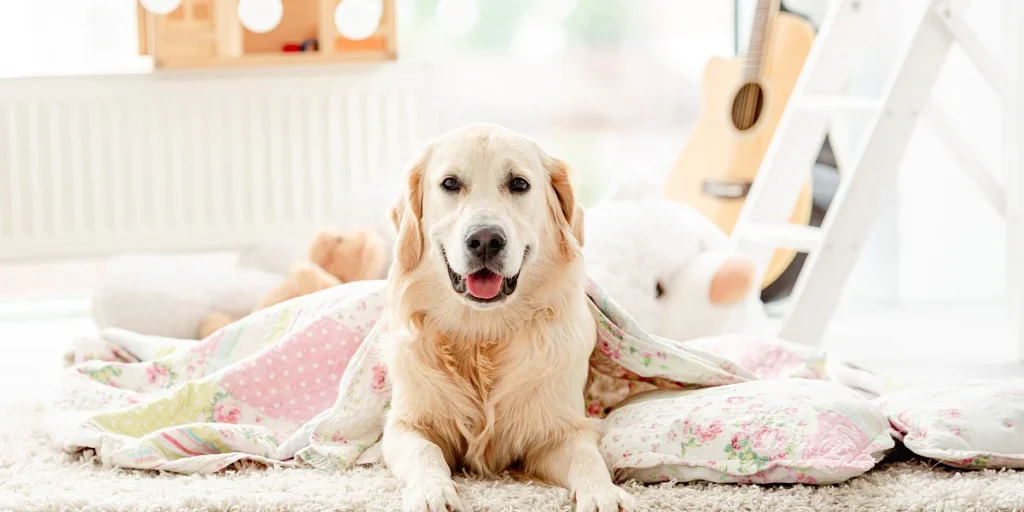

Bathing a dog can feel like a balancing act. Too much and you risk stripping their skin of natural oils, too little and your furry friend might start to smell or develop skin issues. Finding that sweet spot takes a bit of observation, knowledge of your dog’s coat type, lifestyle, and overall health. Over time, I’ve realized that the question isn’t just about how often to bathe a dog, it’s about understanding what their body and environment demand.
Let’s deep dive into How Often Should I Bathe My Dog?
The Importance Of Regular Bathing
Dogs may not need daily baths like humans, but hygiene still plays an important role in their overall well-being. Regular bathing removes dirt, dander, and allergens that can accumulate on their skin and coat. It also helps manage odors and prevent parasites like fleas and ticks from finding a home. Bathing gives me a chance to check my dog’s skin closely for any irregularities, rashes, bumps, or dry patches that might otherwise go unnoticed.
Beyond physical health, bathing also has an emotional impact. Dogs feel refreshed and comfortable afterward, especially those that enjoy water. It’s also a bonding experience. The act of grooming communicates care and trust, deepening the relationship between pet and owner.
Coat Type And Bathing Frequency
Different breeds require different care routines, and coat type is one of the most important factors. A dog’s coat acts as its first line of defense against the environment, so how often it should be washed depends on how easily that coat traps dirt and oils.
Dogs with oily coats, such as Basset Hounds, may need more frequent baths to prevent buildup and odor. Their skin naturally produces more oil, and regular washing helps keep them fresh without causing irritation. In contrast, breeds with water-repellent coats like Golden Retrievers or Labradors benefit from less frequent bathing, as excessive washing can disrupt their coat’s natural protection.
Dogs with double coats, such as Huskies or German Shepherds, usually require baths every few months. Their undercoats insulate and protect them from temperature extremes, and frequent washing can interfere with that natural function. Regular brushing often does more for them than constant bathing.
Short-haired breeds like Boxers or Beagles typically need a bath once every one to two months, as their coats don’t trap as much dirt. Meanwhile, long-haired dogs or breeds prone to matting, such as Shih Tzus and Maltese, might need more frequent baths to maintain cleanliness and prevent tangles.
The Impact Of Lifestyle And Environment
How often a dog gets dirty largely depends on where it spends most of its time. Active dogs that enjoy outdoor adventures, hikes, or muddy play sessions naturally require more frequent cleaning than dogs that spend their days indoors.
If your dog loves rolling in grass or digging in soil, you’ll find dirt accumulating in their fur quickly. I’ve noticed that my dog’s bathing schedule changes with the seasons. During rainy months, more baths are necessary to manage mud and odor, while in drier months, brushing alone can suffice between washes.
Urban dogs that walk on city streets may need more frequent baths because of exposure to pollution, salt, or grime, especially if they sleep on furniture or share beds with their owners. On the other hand, indoor dogs who spend most of their time lounging in clean spaces might only need a bath once every few months.
Skin Sensitivity And Health Considerations
A dog’s skin condition can also determine bathing frequency. Dogs with allergies or sensitive skin need special care to avoid irritation. Using gentle, hypoallergenic shampoos helps maintain moisture balance and prevent dryness or flaking. Some dogs have skin conditions that require medicated shampoos prescribed by veterinarians, which might involve more frequent but gentle bathing routines.
I’ve found it helpful to monitor how my dog’s skin reacts after each bath. If it looks dry, itchy, or flaky, it’s often a sign that the baths are too frequent or the shampoo too harsh. Adjusting the interval between baths or changing the product can make a big difference. Dogs with healthy skin and coats can usually go longer without bathing, while those with chronic skin issues might benefit from regular but mild cleansing.
The Role Of Brushing Between Baths
Regular brushing can significantly reduce the need for frequent baths. It helps remove dirt, distribute natural oils, and prevent tangling. Brushing also stimulates the skin, promoting healthy blood flow and coat growth. For many dogs, a consistent brushing routine keeps them cleaner longer and delays the buildup of odors.
In my experience, brushing two to three times a week can extend the time between baths by several weeks. It’s especially effective for double-coated breeds and long-haired dogs. Plus, brushing sessions are often more enjoyable for dogs than baths, making it a positive bonding habit.
Using The Right Products
The kind of shampoo you use plays a critical role in how often your dog can safely be bathed. Human shampoos are too acidic for dogs and can disrupt their skin’s natural balance. Even baby shampoos, though gentle, aren’t ideal long-term. The best products are specifically formulated for dogs, taking into account their skin’s pH level and natural oil composition.
For frequent baths, I prefer mild, moisturizing shampoos with natural ingredients like oatmeal or aloe vera. These help maintain softness and hydration without stripping the skin. Dogs with allergies might do better with fragrance-free formulas. After bathing, a good rinse is essential to remove all residue, as leftover soap can cause irritation and itching.
Conditioners designed for dogs can also help maintain coat health, especially for breeds prone to dryness or matting. They restore moisture, make brushing easier, and leave the coat feeling smooth and soft.
Signs Your Dog Needs A Bath
Dogs can’t tell us directly when they need a bath, but their coats and behavior usually do. A strong odor is often the first indicator. If your dog smells even after brushing, it’s time for a bath. Dirt, grease, or a sticky texture in the fur are other clear signs.
I also look for visual cues like dull fur or excessive scratching. When a dog scratches more than usual, it could be due to trapped debris, allergens, or dryness, all of which a proper bath can help alleviate. However, if the scratching persists after bathing, it might be time to consult a veterinarian to rule out underlying issues.
The Risks Of Over-Bathing
Many pet owners assume frequent bathing means better hygiene, but too much can be harmful. Over-bathing strips away natural oils that protect the skin and coat, leading to dryness, irritation, and flaking. The coat may become brittle, and the skin might start to itch.
I learned to watch for signs like increased scratching or dull fur after frequent washes. If these appear, I extend the time between baths and add more brushing sessions instead. Dogs’ skin regenerates naturally, and constant washing can interfere with this process, making them more vulnerable to infections and allergies.
Puppies, in particular, should not be bathed too often. Their skin and coat are still developing, and frequent washing can disrupt their natural growth. For them, occasional spot cleaning or gentle wipes work better until they mature.
Seasonal Adjustments To Bathing
Bathing schedules often change with the seasons. In summer, dogs are more active outdoors, swimming, and rolling in grass, which means more frequent baths. However, in winter, their skin can become dry due to low humidity and indoor heating, so fewer baths are needed.
During colder months, I make sure to use warm water and dry my dog thoroughly after a bath to prevent chills. Some dogs benefit from moisturizing sprays or leave-in conditioners during the winter to keep their skin hydrated. Adjusting your routine with the seasons ensures comfort without compromising health.
How To Make Bath Time Easier
Bath time can be stressful for some dogs, especially if they associate it with discomfort. Creating a calm environment helps reduce anxiety. I like to prepare everything beforehand, shampoo, towels, and treats, so the process goes smoothly.
Using lukewarm water is important, as water that’s too hot or cold can make your dog uneasy. Gentle, slow movements while speaking in a calm tone also help. I always start from the neck and work my way down to avoid startling my dog, finishing with the face last using a damp cloth instead of direct water.
Positive reinforcement goes a long way. Rewarding your dog with treats and praise during and after the bath creates a positive association. Over time, this makes bath time easier and even enjoyable.
Special Considerations For Different Dog Types
Different lifestyles require different bathing routines. Working dogs, like farm or rescue dogs, naturally get dirtier and might need more frequent baths. However, dogs that live in apartments or air-conditioned homes usually stay cleaner longer.
Senior dogs may not need as many baths but might benefit from gentle rinses or dry shampoos to maintain comfort. Puppies, being curious and playful, often get into messes but should still be bathed gently and not too often to avoid irritation.
Dogs with allergies, skin conditions, or medical needs often require specialized care. Consulting a veterinarian ensures the bathing frequency and products you use are safe for their condition.
Dry Bathing And Alternatives
Sometimes, a full bath isn’t necessary. Dry shampoos and waterless sprays are excellent for refreshing your dog between washes. These products help absorb excess oil and neutralize odors without the stress of a traditional bath.
I find dry baths especially useful during cold seasons or after quick outdoor play sessions. Wipes made for dogs can also clean paws and fur, preventing dirt from spreading indoors. However, dry bathing should not replace regular washing entirely, it’s best used as a supplement.
Grooming As Part Of Bathing Routine
Bathing is just one element of grooming. After each bath, trimming nails, cleaning ears, and brushing teeth help complete the routine. Clean ears reduce the risk of infection, while brushing teeth maintains oral hygiene and fresh breath.
I like to schedule grooming sessions around bath days, as clean fur and skin make the process easier. A full grooming session keeps the dog not only looking good but also feeling good.
Listening To Your Dog’s Cues
Every dog is unique, and no single schedule fits all. Observing how your dog reacts after each bath helps tailor a personalized routine. If your dog’s skin stays soft and the coat shiny, you’ve found the right rhythm. If you notice dryness or irritation, it’s time to adjust.
Dogs communicate comfort in subtle ways. A relaxed posture, playful mood, and healthy coat are all signs you’re maintaining a good balance. Listening to these cues ensures that bathing remains beneficial rather than stressful.
Conclusion
So, how often should I bathe my dog? The answer depends on coat type, lifestyle, health, and environment. For most dogs, a bath every four to eight weeks works well, but some may need it more or less often. The key is balance, clean enough to stay healthy, but not so frequent that it harms the skin’s natural oils.
Bathing isn’t just about cleanliness. It’s an act of care, connection, and attention. Each bath is an opportunity to nurture your dog’s comfort, check their health, and strengthen the bond you share. The sight of a clean, happy dog shaking off the last droplets of water is always a reminder that small routines, done with love, make a world of difference in their well-being.