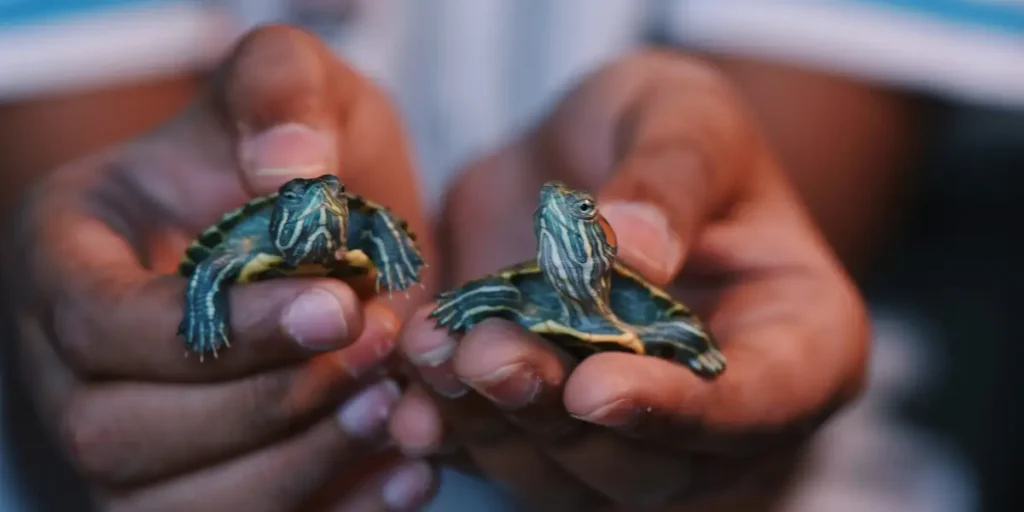

Turtles are among the most fascinating and enduring pets one can own. Their calm nature, slow pace, and ancient appearance make them seem almost timeless. One of the most common questions people have before adopting one is how long a turtle live in captivity. The truth is, with proper care, many turtles can live for decades, sometimes even longer than their owners. Their lifespan depends on several factors, including species, diet, habitat quality, and overall care. I’ve come to realize that owning a turtle is not a short-term commitment but a long-term journey filled with patience and attention to detail.
Lifespan Differences Among Turtle Species
Not all turtles have the same lifespan. Some species are known for their incredible longevity, while others have more modest life expectancies. Aquatic turtles like red-eared sliders typically live between 20 and 40 years in captivity if cared for properly. Painted turtles often reach similar ages, while box turtles can easily surpass 50 years and sometimes live over 100.
Tortoises, which are land-dwelling relatives of turtles, are famous for their long lives. The Galápagos tortoise can live over 150 years, while smaller tortoise species like the Russian tortoise may live around 40 to 60 years.
These numbers highlight how varied turtle lifespans can be, and it also shows how essential species identification is for proper care. Knowing the specific needs of your turtle helps ensure it reaches its full life expectancy rather than falling short due to improper housing or diet.
The Role of Diet in Longevity
Diet plays a significant role in how long a turtle lives. Turtles in the wild have access to a diverse range of foods that keep them healthy. In captivity, replicating that balance can be challenging, but it’s necessary for a long life. I’ve learned that an unbalanced diet, either too high in protein or lacking in vitamins, can drastically shorten a turtle’s lifespan.
Aquatic turtles thrive on a mix of commercial pellets, leafy greens, and occasional protein sources like insects or small pieces of cooked fish. Box turtles, on the other hand, need a diet rich in vegetables, fruits, and a smaller portion of protein such as worms or snails.
Calcium is particularly important because it supports healthy shell and bone development. Without enough calcium and vitamin D3, turtles can develop metabolic bone disease, a painful and life-shortening condition. I always supplement my turtle’s diet with calcium powder and make sure it gets adequate UVB light exposure for proper vitamin D3 synthesis.
Feeding schedules also matter. Overfeeding leads to obesity, which causes liver and kidney strain. Underfeeding, on the other hand, results in malnutrition. Finding the right balance through portion control and dietary variety ensures a turtle not only survives but thrives.
Importance of Proper Habitat
The environment in which a turtle lives is just as vital as its diet. In captivity, their lifespan heavily depends on how well their habitat mimics natural conditions. I’ve noticed that turtles kept in cramped or dirty enclosures tend to develop health issues faster than those with well-maintained habitats.
Aquatic turtles need spacious tanks with clean, filtered water, a basking area, and proper lighting. The basking temperature should be between 90 and 95 degrees Fahrenheit, while the water should stay around 75 to 80 degrees. Clean water is non-negotiable because dirty conditions can lead to shell rot, respiratory infections, and stress.
Land turtles or tortoises need large enclosures where they can dig, hide, and roam. Their habitat must provide both warm basking spots and shaded areas for cooling off. A humid microclimate within the enclosure helps maintain proper hydration and supports healthy skin and shell growth.
A turtle kept in a properly maintained environment will not only live longer but also show more natural and active behavior. Neglecting habitat care often leads to stress and illness, both of which shorten lifespan.
The Role of Lighting and Temperature
Turtles depend on external heat and light sources to regulate their body temperature. Without proper lighting, especially UVB light, they can’t metabolize calcium effectively. I’ve seen turtles that were kept without UVB lighting develop soft shells, weakened bones, and sluggish behavior, all of which shorten their life expectancy.
Using a full-spectrum bulb that emits both UVA and UVB rays is essential. It should be placed close enough for the turtle to benefit but not so close that it overheats. I usually keep mine on for about 10 to 12 hours a day to simulate natural daylight.
Temperature regulation is equally important. Fluctuating temperatures cause stress and make turtles susceptible to respiratory infections. Using reliable thermometers and heaters ensures consistent conditions that promote health and longevity.
How Cleanliness Affects a Turtle’s Health
Cleanliness is another major factor that influences how long a turtle lives in captivity. Turtles produce a significant amount of waste, and if their environment isn’t cleaned regularly, harmful bacteria and ammonia build up quickly.
For aquatic turtles, I use a strong filtration system designed to handle more than the tank’s capacity. I also perform partial water changes weekly to maintain clean water. For land turtles, I replace bedding often and ensure that waste is removed daily.
Poor sanitation doesn’t just lead to bad smells, it can cause shell infections, skin irritation, and digestive problems. A clean environment reduces the risk of disease and stress, giving your turtle the best chance at a long, healthy life.
The Effect of Stress on Lifespan
Stress has a major impact on a turtle’s well-being and longevity. A turtle that constantly feels threatened or uncomfortable will not eat properly and may become more prone to illness. I’ve learned that even small things like loud noises, frequent handling, or other pets staring at the turtle tank can create anxiety.
To minimize stress, I give my turtles plenty of hiding spots and avoid excessive handling, especially when they’re new or adjusting to a change. Providing a predictable routine also helps. Turtles recognize feeding times and light patterns, and consistency gives them a sense of security.
In multi-turtle setups, aggression can be another source of stress. Males, in particular, can become territorial. I separate aggressive turtles or give them more space to prevent fights. Keeping them in peace helps maintain both their mental and physical health over time.
The Importance of Veterinary Care
Regular checkups with a reptile veterinarian can make a big difference in how long a turtle lives. Many health issues start subtly, loss of appetite, slight shell discoloration, or small behavioral changes, but can escalate quickly if ignored.
A vet can identify conditions like respiratory infections, parasites, or shell diseases before they become life-threatening. I’ve found that early detection often leads to full recovery, while delayed care shortens lifespan significantly.
Even if a turtle seems healthy, an annual health check is a good practice. It’s also helpful to bring a water sample for aquatic turtles so the vet can evaluate the living conditions. Preventive care is far easier and cheaper than treating advanced illness.
The Impact of Genetics and Early Life Care
Genetics play a part in how long a turtle can live, but so does the care it receives early in life. Hatchlings and young turtles are more fragile and sensitive to environmental changes. A poor start, such as being raised in overcrowded or unsanitary conditions, can lead to long-term health problems.
I’ve noticed that turtles raised in stable environments with proper nutrition and lighting from a young age tend to grow stronger and live longer. This is why it’s crucial to buy from reputable breeders or rescues that prioritize the animals’ health.
Genetic weaknesses can occur in turtles from inbred populations or poor breeding practices. These turtles may appear healthy at first but can develop health complications later in life. Responsible breeding and early care make a noticeable difference in lifespan.
Comparing Wild and Captive Lifespans
In the wild, turtles face numerous threats, predators, pollution, habitat loss, and human interference. Because of this, many don’t live as long as they could. In captivity, turtles are protected from these dangers and can easily surpass their wild counterparts’ lifespans if given proper care.
However, captivity also brings its own challenges. Without natural sunlight, varied diets, and room to roam, turtles can suffer from issues that limit their longevity. That’s why replicating their natural environment as closely as possible is key. The goal isn’t just survival but a full, active, and enriched life.
Long-Term Commitment of Turtle Ownership
Owning a turtle means committing to decades of responsibility. Many turtles outlive other common pets, and in some cases, even their owners. I’ve met people who have passed their turtles down through generations because these creatures can live so long.
Before adopting one, it’s important to consider long-term plans. Who will care for the turtle if you can’t? Do you have the resources to maintain proper lighting, heating, and food for the next several decades? These are questions that responsible turtle owners must ask themselves.
Turtles form a unique bond with their caretakers, and their longevity means you’ll share a long relationship if cared for properly. Their calm presence can bring joy for a lifetime, but only if their needs are consistently met.
Common Mistakes That Shorten Lifespan
Several mistakes can drastically reduce a turtle’s lifespan. Poor water quality, lack of UVB light, improper diet, and neglecting veterinary care are among the most common. Feeding too much protein to herbivorous species or too many pellets to omnivorous ones leads to shell deformities and organ issues.
Using the wrong type of enclosure or heating equipment is another major mistake. I’ve seen turtles kept in tanks too small for their size, with no basking platform or filtration system. These conditions cause stress, illness, and ultimately shorten life expectancy.
Ignoring behavioral changes is another pitfall. If a turtle stops eating, hides constantly, or shows shell damage, these are warning signs that shouldn’t be overlooked. Prompt action can often prevent long-term damage.
Extending a Turtle’s Lifespan in Captivity
Extending a turtle’s life is about consistency and attention to detail. Regular cleaning, proper diet, temperature control, and mental stimulation all contribute to longevity. I provide enrichment by rearranging tank decorations, offering live prey occasionally, or introducing safe new plants for them to explore.
Monitoring water quality and lighting schedules helps maintain stability, which turtles depend on. I also make sure my turtles get exposure to natural sunlight whenever possible, even if it’s just supervised time outdoors in a secure pen. The natural UV exposure benefits them more than artificial light alone.
Routine health checks, both at home and with a vet, ensure small issues are caught early. Prevention is the most effective way to ensure your turtle lives a long, healthy life.
Final Thoughts
The question of how long a turtle can live in captivity doesn’t have a single answer, it depends on how well its environment, diet, and health are managed. Some species may live 20 years, others 80 or more, but the common thread is that dedicated care makes the difference.
I’ve learned that longevity in turtles isn’t luck; it’s the result of consistent effort and awareness. They may not be demanding pets in the traditional sense, but they rely on their owners to replicate the natural world they come from. With patience and proper care, a turtle can live a long, fulfilling life, serving as a quiet yet constant companion for generations. Owning one means caring for a life that can span decades, a reminder that true pet ownership is about commitment, respect, and understanding the rhythm of a creature far older and wiser than we often realize.