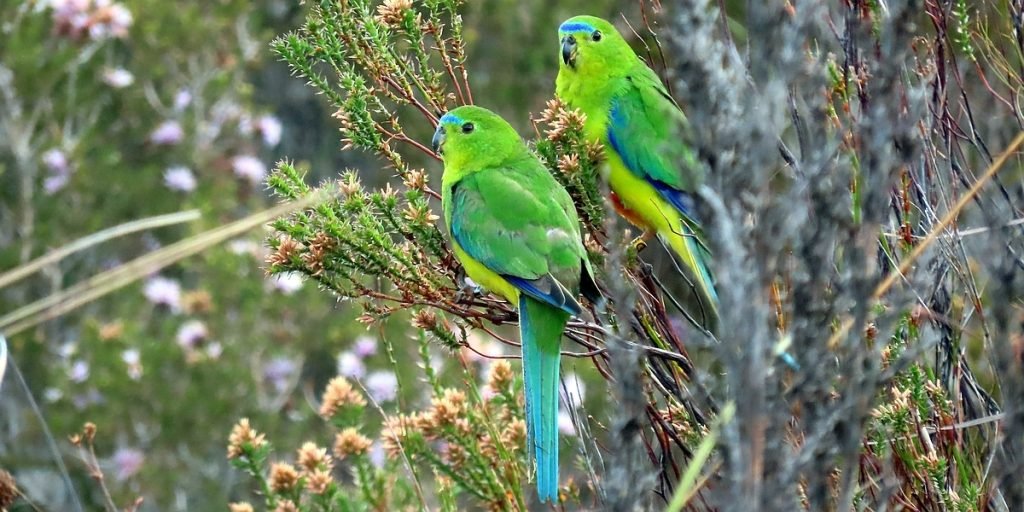

Owning a bird means constantly being surprised by its intelligence and curiosity. Birds are natural explorers, and that inquisitiveness can sometimes lead to unexpected escape attempts. I’ve seen parrots and parakeets outsmart cage locks, push open doors, and even find ways to squeeze through tiny gaps. It can be both amusing and alarming to realize how determined a bird can be to find freedom. Stopping a bird from escaping its cage requires patience, observation, and practical changes that address both security and the reasons behind the escape behavior.
Understanding Why Birds Try to Escape
Before I could solve the problem, I had to understand why my bird wanted to leave its cage so badly. Most of the time, birds escape not because they hate the cage but because they crave stimulation or freedom. A bird that feels bored, lonely, or under-stimulated will look for ways to satisfy its instincts. Birds are intelligent animals that need physical exercise, mental challenges, and social interaction.
Another reason for escape attempts can be stress or discomfort. If the environment is too noisy, too quiet, or too crowded, a bird might try to flee. Sometimes temperature changes, lack of sleep, or fear of unfamiliar objects nearby can trigger panic. Observing what happens right before an escape attempt can reveal valuable clues.
Inspecting the Cage for Weak Points
The first practical step is to inspect the cage carefully. Birds can be surprisingly strong and clever, especially parrots and cockatiels. They use their beaks like tools, testing every latch and bar for movement. I go over each door, latch, and hinge to make sure nothing is loose or easy to manipulate.
Many standard bird cages come with simple sliding doors or flip locks that are easy for intelligent birds to open. I’ve seen birds slide the door open with their beak or lift it with their claws. To prevent this, I use small carabiner clips or twist ties to secure the doors. These are inexpensive, easy to attach, and very effective. Some cages come with built-in safety locks, but even those should be checked regularly for wear or damage.
Choosing the Right Cage Size and Design
The size and design of a cage influence how safe and content a bird feels. A cramped cage can make a bird restless, leading to escape attempts. A larger cage allows more freedom to move, stretch, and play, reducing the urge to get out. The spacing between bars should also match the size of the bird. If the gaps are too wide, smaller birds like finches or budgies might slip through.
For larger parrots, the material matters as well. Thinner bars can be bent by strong beaks, so choosing a sturdy, powder-coated metal cage makes a difference. Rounded cages should be avoided because they limit space and can make birds feel trapped. I’ve found that rectangular cages with horizontal bars are better, giving birds both climbing options and a sense of security.
Securing Doors and Feeding Ports
Most birds that escape do so through the cage door or feeding port. Birds quickly learn that these openings lead to freedom. I always double-check that the food and water doors close tightly after refilling them. If they swing open too easily, I add small locks or clips.
For particularly clever birds, like African Greys or cockatoos, even simple locks can become puzzles they solve with ease. In such cases, I’ve used combination locks or small padlocks for added security. While it may sound excessive, these birds are capable of remarkable problem-solving, and a little extra security can prevent a major escape incident.
Providing Adequate Mental and Physical Stimulation
A bored bird is a motivated escape artist. Birds are naturally active and curious, and if they don’t have enough toys or stimulation, they’ll look for their own entertainment, often by figuring out how to get out of the cage. To prevent this, I rotate toys every few days to keep things interesting. Toys that encourage problem-solving, such as foraging puzzles or hanging ropes, help occupy their minds.
I also make sure my bird gets daily out-of-cage time in a controlled environment. Allowing them to stretch their wings, fly safely, and interact with me reduces the desire to break free. Birds need both exercise and social engagement, and without those, they can develop frustration that leads to escape behavior or even destructive habits.
Creating a Safe Out-of-Cage Routine
Even with the most secure cage, birds still need time outside of it. Rather than trying to stop escape attempts completely, I give my bird a predictable schedule. Birds thrive on routine. When they know they’ll get playtime and attention at specific times, they’re less likely to become anxious or rebellious.
I set aside a couple of hours daily for free flight or supervised exploration. During this time, I close windows and doors, turn off ceiling fans, and remove potential hazards like open water or mirrors. My bird quickly learned that it didn’t need to escape, it would get time to explore safely anyway.
Reducing Environmental Stress
Sometimes, birds escape because they feel unsafe or stressed in their surroundings. Loud noises, unfamiliar pets, or constant foot traffic can make them anxious. I place the cage in a location that balances social interaction with quiet rest. Too much isolation can cause loneliness, but constant noise can also create tension.
Lighting also plays a role. Birds need natural sunlight or full-spectrum light to stay healthy and comfortable. A poorly lit cage can make them feel confined or uneasy. I make sure the cage gets gentle, indirect sunlight during the day but not direct rays that can overheat the bird.
Addressing Fear and Anxiety
Fear-based escapes often happen when a bird feels trapped or startled. If a sudden noise, shadow, or new object near the cage scares it, it might try to bolt. Gradual desensitization works best in these cases. I introduce new objects or people slowly and calmly, rewarding my bird with treats when it remains calm.
If a bird has already had a frightening experience, such as falling from a cage or being chased, it may associate the cage with fear. In that case, rebuilding trust takes time. I speak softly, move slowly, and create positive experiences around the cage with treats and playtime. This helps the bird view the cage as a safe place rather than a trap.
Ensuring Proper Sleep and Routine
Birds need consistent sleep to stay calm and healthy. A bird that doesn’t get enough rest can become irritable, anxious, or restless, making it more likely to attempt an escape. I make sure my bird gets ten to twelve hours of quiet, uninterrupted darkness each night. Covering the cage with a breathable cover can help create a sense of security and signal bedtime.
Routine is another important factor. Birds that have unpredictable schedules or irregular feeding times can become agitated. Establishing a rhythm for feeding, cleaning, and playtime helps them feel safe and reduces the urge to seek control through escape attempts.
Handling Smart and Curious Birds
Some species are notorious for their intelligence. Parrots, conures, cockatoos, and African Greys are known to manipulate locks and latches. I once watched a parrot unhook a latch in under ten seconds. These birds view the cage as a puzzle to solve rather than a prison.
For such clever birds, mental stimulation is as important as physical security. I provide them with foraging toys and puzzles that challenge their problem-solving abilities. By giving them appropriate outlets for their intelligence, I reduce their motivation to test cage locks.
Watching for Signs of Restlessness
Before a bird escapes, it often shows signs of restlessness. Pacing back and forth near the door, tugging on bars, or vocalizing loudly are all indicators. If I see these signs, I take it as a signal that my bird needs more attention or stimulation. Ignoring these early warnings often leads to an escape attempt later.
Sometimes, simple environmental enrichment, like adding new perches, offering fresh branches, or rearranging toys, can make a big difference. Birds, like humans, need variety to stay content.
Training Through Positive Reinforcement
Training is one of the best long-term solutions. Birds are smart enough to learn that staying in the cage brings rewards. I use positive reinforcement by giving treats or praise when my bird enters the cage willingly or stays calm during cage time. Never use punishment, as it creates fear and damages trust.
If the bird refuses to go back into the cage, I make the experience enjoyable. I place favorite treats or toys inside, speak gently, and let the bird enter at its own pace. Over time, my bird learned that the cage wasn’t something to escape from, it was a safe, rewarding space.
Avoiding Overcrowding and Conflict
If multiple birds share a cage, conflict can lead to escape attempts. A bird that feels bullied or excluded may try to leave to avoid confrontation. I always make sure the cage is large enough for all birds to have their own perches, feeding areas, and toys. Watching their interactions closely helps me catch signs of tension early.
In some cases, separating aggressive birds or providing individual cages is the only solution. A peaceful environment prevents stress and reduces the urge to flee.
Maintaining a Safe Home Environment
Even the best-secured cage can fail if the surrounding area is unsafe. I make sure the cage is placed in a stable location, away from open doors, windows, or vents. Birds are quick and can escape through even a small gap. I also keep the cage away from ceiling fans, kitchens, or areas with fumes.
If an escape does happen, keeping windows closed and curtains drawn can help contain the bird. Training the bird to come when called or step up on command also helps recover it safely.
Checking Cages Regularly for Damage
Over time, cages wear out. Metal bars can loosen, hinges can weaken, and locks can rust. I inspect my bird’s cage regularly for any damage that could make escape easier. If I find any issue, I fix it immediately rather than waiting for an accident.
Replacing worn parts or upgrading to a more secure model may seem costly at first, but it’s worth the peace of mind. Birds are persistent, and if they discover a weak spot once, they’ll keep testing it.
Building Trust and Comfort
Ultimately, the best way to stop a bird from escaping is to make it feel content and safe in its environment. I’ve noticed that birds that trust their owners rarely attempt to escape. They see their cage not as a prison, but as their home. Trust takes time to build through gentle interaction, consistent routines, and positive experiences.
Talking to the bird, offering treats, and spending time near the cage helps it feel secure. The more a bird associates its owner and its environment with safety, the less it will seek escape.
Conclusion
Stopping a bird from escaping its cage isn’t just about locks and bars, it’s about creating an environment where the bird feels safe, stimulated, and loved. Secure cages and reliable latches are important, but they’re only part of the solution. Birds escape because they want freedom, companionship, or stimulation. By understanding those needs and meeting them, the desire to flee fades naturally.
Through consistent attention, proper cage setup, and mental engagement, I’ve found that birds can be both safe and happy in their enclosures. A bird that feels content doesn’t want to escape, it wants to stay close to the people and environment that make it feel at home.