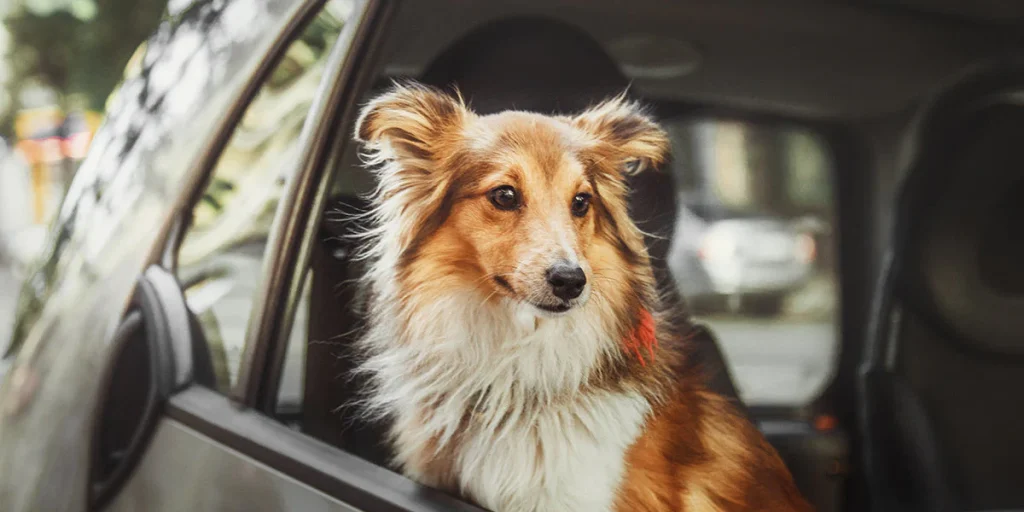

Bringing home a rescue dog can be one of the most rewarding experiences imaginable, but it can also come with unique challenges. Many rescue dogs have uncertain pasts, and that often means they carry emotional scars, fear, anxiety, or distrust toward people, other animals, or even new environments. I’ve experienced this firsthand with my own rescue dog, and I quickly realized that socializing them isn’t a process that can be rushed. It requires patience, consistency, and empathy.
Socialization for a rescue dog is not about forcing them into busy dog parks or overwhelming situations. It’s about helping them rebuild confidence and teaching them that the world around them is safe. It’s a gradual process where small steps make big differences, and the end result, a happy, balanced, and trusting dog, is worth every moment of effort.
Giving Your Dog Time to Adjust
The first few days in a new home are crucial for any rescue dog. They’re stepping into unfamiliar surroundings, meeting new people, and being exposed to strange smells and sounds. This can be overwhelming, so the best thing to do initially is to give them space.
I always start by creating a calm, predictable environment. Setting up a quiet area with their bed, food, and water allows them to decompress without pressure. It’s tempting to shower them with affection immediately, but it’s better to let them approach you on their own terms. This builds trust and helps them feel in control.
During this adjustment period, routine is your best friend. Feeding, walking, and resting at consistent times gives your rescue dog a sense of stability. Once they start to recognize the rhythm of daily life, they begin to feel safe, and that safety is the foundation of successful socialization.
Building Trust Before Socialization
Before exposing your rescue dog to new people or animals, it’s essential to establish a bond. Dogs are more willing to explore and engage when they trust their handler. I spend time sitting quietly near my dog, offering treats, and speaking softly so they can associate my presence with positive feelings.
Eye contact and gentle touch also play an important role. Some rescue dogs may flinch or retreat at physical contact because of past trauma. In those cases, I let them come to me first. Offering treats from my hand without forcing interaction helps create a bridge of trust.
Once that foundation is built, simple training sessions can strengthen the bond even more. Basic commands like sit, stay, and come give structure and open lines of communication. A dog that feels heard and understood becomes more confident and less fearful in new situations.
Introducing New People Slowly
One of the biggest mistakes people make is introducing a rescue dog to too many new faces too quickly. Rescue dogs need gradual exposure. I usually start with one calm, quiet friend who understands how to approach a timid dog. We meet in a neutral space, like a yard or open area, to reduce territorial behavior.
I ask my guest to avoid direct eye contact, sudden movements, or leaning over the dog. Letting the dog sniff them and approach on their own terms creates a positive first impression. If the dog seems relaxed, tail wagging, body loose, ears forward, I’ll reward them with a treat and praise.
Over time, I introduce them to more people, but always at the dog’s pace. Some rescue dogs take days or even weeks before they’re ready for new interactions, and that’s perfectly fine. The goal is to build confidence, not to rush it.
Exposure to Different Environments
Socialization isn’t only about people, it’s about helping your rescue dog feel comfortable in various settings. I start small, taking short walks around quiet neighborhoods. As the dog grows more confident, we move on to busier streets, parks, and eventually pet-friendly stores.
The trick is to read the dog’s body language carefully. Signs of fear, such as a tucked tail, lowered ears, or trembling, mean it’s time to pause or retreat to a calmer space. Positive experiences matter more than exposure alone. If your dog associates new places with treats, play, and calm behavior from you, they’ll start to view the world as an exciting place rather than a scary one.
Gradually introducing new surfaces, sounds, and environments also builds resilience. Walking on grass, pavement, or gravel; hearing traffic noises or children playing; and riding in a car all become valuable parts of socialization.
Socializing with Other Dogs
Many rescue dogs have had limited or negative experiences with other animals, so dog-to-dog introductions should be handled carefully. I usually begin with parallel walks, walking my dog and another calm, social dog at a comfortable distance apart. This allows them to observe each other without feeling threatened.
Once both dogs seem relaxed, showing neutral body language and no signs of tension, I slowly decrease the distance between them. Allowing them to sniff briefly and then redirecting their attention to walking again helps prevent tension.
Neutral meeting places are best because they reduce territorial instincts. A dog park can be too chaotic for an initial introduction, so I prefer quiet areas like trails or open fields. If the dogs get along, short play sessions can follow, but I always monitor them closely to ensure positive interaction.
Patience is vital during this process. Some rescue dogs may take weeks before they’re comfortable interacting with others, and pushing too hard can lead to setbacks.
Using Positive Reinforcement
Socialization should always be guided by positive reinforcement. I rely heavily on treats, praise, and affection to reward calm, confident behavior. For example, if my rescue dog stays relaxed when meeting someone new or walking past another dog, I immediately offer a treat and gentle praise.
This teaches them that good things happen when they handle new experiences calmly. Over time, they’ll start associating new people, places, and dogs with rewards rather than fear.
Avoid scolding or punishing your dog for fearful reactions. Punishment only deepens their anxiety and damages trust. If they bark or shy away, I stay calm and remove them from the situation, then try again later with smaller steps.
Recognizing Signs of Stress
Reading your rescue dog’s body language is essential to prevent overwhelming them. A wagging tail doesn’t always mean happiness, sometimes it’s a sign of nervous energy. I pay attention to subtle cues like lip licking, yawning, avoiding eye contact, or pacing. These signs often indicate discomfort.
If I notice these signals, I take a step back and give the dog time to calm down. Forcing continued interaction can create lasting negative associations. Building confidence is a marathon, not a sprint. Each positive experience adds up, but one bad experience can undo progress.
Gradual Desensitization
Desensitization is one of the most effective methods for helping rescue dogs overcome fear. It involves exposing them to the source of fear in small, manageable doses until they no longer react negatively.
For example, if my dog is afraid of strangers, I might start by having a friend stand across the street. I reward the dog for staying calm. Over time, we move a little closer until the dog is comfortable being near the person.
The same principle applies to other triggers like loud noises or unfamiliar environments. The goal is to let the dog realize that these things aren’t dangerous. Consistent, controlled exposure builds resilience and trust.
The Importance of Routine and Structure
Rescue dogs thrive on predictability. Structure reduces anxiety and helps them understand what to expect from their environment. I stick to a daily schedule for feeding, walks, and rest. This sense of order reassures them that life is stable and safe.
Predictability also makes training easier. Dogs learn best through repetition and consistency. When they know what to expect, they’re more likely to focus and respond positively.
Over time, structure transforms a nervous rescue into a confident companion who understands how to navigate the world.
Socialization Through Play
Play is one of the best ways to build confidence and strengthen the bond between you and your rescue dog. Games like fetch, tug-of-war, or simple hide-and-seek provide physical and mental stimulation while promoting trust.
Playtime also helps dogs release pent-up energy, reducing stress and destructive behavior. I’ve found that rescue dogs who engage in regular play sessions become more relaxed and eager to explore new things.
Interactive play with other dogs, once they’re ready, can also speed up socialization. Dogs learn valuable social cues from one another during play, how to approach, retreat, and communicate.
Exposure to Everyday Sounds
Many rescue dogs are startled by household noises, vacuums, blenders, doorbells, or even the TV. To help my dog adapt, I start by playing these sounds at a low volume while offering treats or affection. Gradually, I increase the volume until the dog remains calm even at normal levels.
This method teaches them that these sounds are part of normal life and not a threat. Over time, they’ll stop reacting fearfully and may even ignore the noises altogether.
Seeking Professional Help
In some cases, a rescue dog’s fear or anxiety runs deep, especially if they’ve experienced trauma or neglect. If progress feels slow or if your dog reacts aggressively despite your best efforts, seeking help from a professional dog trainer or behaviorist can make a huge difference.
A skilled trainer can identify specific triggers and design a customized desensitization plan. They can also teach you how to reinforce positive behaviors without causing stress.
Therapy-based approaches, such as counter-conditioning, can help change a dog’s emotional response to fear-inducing situations. Professional guidance ensures you’re not unintentionally reinforcing anxiety or stress.
Patience and Empathy in the Process
Socializing a rescue dog isn’t about speed, it’s about empathy. Each dog comes with its own history, personality, and emotional baggage. Some may adapt within weeks, while others take months to fully trust again.
I remind myself daily that progress, no matter how small, is still progress. A shy glance, a tail wag, or a moment of relaxation are victories worth celebrating.
Dogs communicate through subtle signals, and by being attentive, calm, and patient, you’ll gradually earn their trust. Eventually, you’ll see the transformation, a once-anxious dog now greeting new people with curiosity and confidence.
Conclusion
Socializing a rescue dog is a journey of patience, compassion, and dedication. It’s about helping them unlearn fear and rediscover joy. The process starts with trust, continues through gentle exposure, and blossoms with positive reinforcement.
Through consistency and empathy, even the most timid rescue can grow into a confident and well-adjusted companion. Watching them learn to trust again, play freely, and greet the world without fear is one of the greatest rewards of all.
The road may be long, but the bond that forms through the process is unbreakable. You’re not just teaching your rescue dog to socialize, you’re giving them the confidence to live a happier, more fulfilled life.