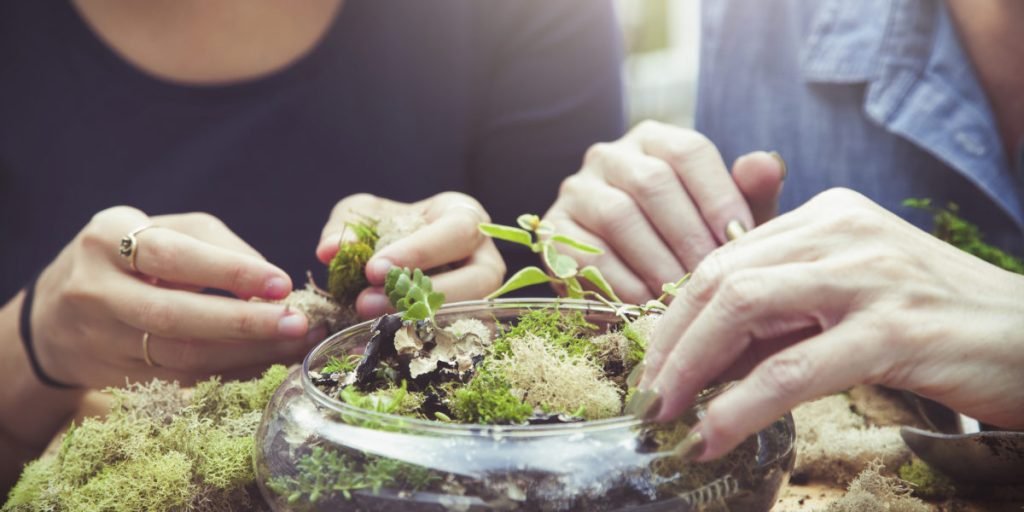

Setting up a healthy terrarium is one of the most rewarding experiences for any reptile owner. It’s more than just placing your pet inside a glass tank; it’s about creating a miniature ecosystem that mirrors their natural environment. The terrarium is your reptile’s entire world, its shelter, feeding ground, and comfort zone. So, building it right from the start determines not only your pet’s health but also its happiness and longevity.
Selecting the Right Enclosure
The first decision to make is the size and type of terrarium. Each reptile species has unique needs, so the enclosure must reflect that. Lizards, snakes, and turtles all have different space requirements. For instance, a bearded dragon needs a large horizontal tank to roam around, while a tree-dwelling gecko prefers a taller enclosure that allows climbing. Snakes benefit from a long and secure tank with a tight-fitting lid to prevent escapes.
Material also matters. Glass terrariums are popular for their visibility and humidity control, but plastic or PVC enclosures can retain heat better and are easier to move. Ventilation should never be compromised, no matter the material. Proper airflow prevents mold and maintains a stable oxygen balance. I’ve found that adding a mesh top or small ventilation slits on the sides keeps the air circulating well without losing too much humidity.
Lighting and temperature control start with choosing a tank that supports easy installation of heating lamps, UVB bulbs, and thermometers. It’s wise to plan this early so you don’t struggle with fitting equipment later.
Providing the Right Substrate
The substrate is the floor of your reptile’s world. It affects humidity, temperature, and even hygiene. The choice depends on your pet’s species and behavior. Desert reptiles thrive on sand-like substrates or calcium-based materials, while forest-dwellers prefer moisture-retaining options like coconut fiber or reptile soil.
I’ve noticed that many new reptile owners use the wrong substrate without realizing how it impacts their pet. For example, loose sand can cause impaction if swallowed, while gravel can be harsh on soft-skinned species. Paper towels or reptile carpets work well for beginners or quarantine setups because they are easy to clean and monitor.
It’s also essential to keep the substrate dry or moist depending on your reptile’s habitat preference. Regularly check for mold, waste buildup, or excess dampness, as these can quickly turn the terrarium into a breeding ground for bacteria.
Setting Up Proper Lighting
Lighting is more than just aesthetics, it’s the foundation of your reptile’s health. Most reptiles rely on ultraviolet light for vitamin D3 synthesis, which helps them absorb calcium and maintain strong bones. Without proper UVB lighting, reptiles can develop serious conditions like metabolic bone disease.
Daylight bulbs mimic the sun and should be on for about 10 to 12 hours daily. Nighttime bulbs, which emit gentle infrared light, help maintain warmth during cooler nights without disturbing your reptile’s sleep. I’ve found that using a timer makes managing light cycles effortless, ensuring consistency that matches their natural circadian rhythm.
UVB bulbs need to be replaced every six to twelve months, even if they still appear to work, because their UV output diminishes over time. Always position these bulbs at an appropriate distance from your reptile, as too close can cause burns while too far limits their effectiveness.
Maintaining Ideal Temperature and Humidity
Temperature control is critical for reptile health. Reptiles are ectothermic, meaning they rely on external heat sources to regulate their body temperature. A healthy terrarium must have a temperature gradient, a warmer basking area and a cooler side for resting.
Heat lamps, ceramic emitters, or under-tank heaters can all provide warmth. It’s best to use a digital thermometer to monitor both ends of the tank. Some species, like snakes, prefer slightly higher basking temperatures, while others, such as turtles, thrive in moderate warmth.
Humidity levels must also be tailored to your reptile’s environment. Tropical species need high humidity, often between 70–90%, while desert reptiles require much drier conditions. Using a hygrometer helps keep these levels consistent. Misting the terrarium daily, installing a fogger, or placing a shallow water dish can increase humidity. However, poor ventilation or excess moisture can lead to respiratory infections, so balance is essential.
Adding Hides and Decorations
A healthy terrarium should make your reptile feel secure and stimulated. Providing hides, rocks, branches, and plants replicates natural surroundings and helps reduce stress. Reptiles often retreat into hiding spots to rest or escape perceived threats. Without these, they may become anxious or refuse to eat.
I like to use a mix of natural and artificial decorations. Real wood and stones look beautiful and help create a more authentic environment, but they need proper cleaning before being added to the terrarium. Artificial plants are easier to maintain and provide similar coverage without the risk of introducing pests.
For climbing reptiles, vertical branches or cork bark are essential. Ground-dwelling species, on the other hand, appreciate more horizontal surfaces and flat basking rocks. Each piece should be stable to prevent accidents.
Ensuring Clean Water and Proper Hydration
Even reptiles that live in arid environments need access to clean water. A shallow dish large enough for your reptile to drink and soak in is ideal. Water should be changed daily to prevent contamination from feces or substrate.
In aquatic and semi-aquatic setups, filtration is a must. Turtles, for example, require a strong filter that keeps water clean and oxygenated. I’ve noticed that regular water testing also helps maintain balance, especially in tanks that house more than one reptile.
For reptiles that drink from droplets, like chameleons, a drip system or misting setup ensures they get enough hydration. Monitoring their skin condition and activity levels can indicate whether they are getting sufficient moisture.
Feeding and Nutrition
No terrarium setup is complete without a proper feeding plan. Each species has unique dietary requirements, so it’s important to research what your reptile eats in the wild. Herbivorous reptiles need fresh greens, vegetables, and fruits, while insectivorous species thrive on crickets, mealworms, and roaches. Carnivorous reptiles like snakes or monitors need appropriately sized rodents or fish.
Supplements are vital for captive reptiles. Calcium and vitamin powders help fill nutritional gaps that might occur in a controlled environment. Dusting food with these supplements once or twice a week can prevent deficiencies.
Feeding schedules should also align with species needs. Some reptiles eat daily, while others only require food a few times a week. Observing their appetite and behavior helps determine what works best.
Regular Cleaning and Maintenance
A healthy terrarium depends on consistent maintenance. Spot-clean daily by removing uneaten food and waste. Deep cleanings, including substrate replacement and disinfection of décor, should be done monthly. Always use reptile-safe cleaning products, as harsh chemicals can harm your pet.
Filters, heating lamps, and other equipment should also be inspected regularly. Dust buildup can block ventilation or reduce light intensity. Keeping a maintenance routine ensures the terrarium remains a stable environment.
Monitoring Behavior and Health
A terrarium might look perfect, but your reptile’s behavior will tell you if it truly feels comfortable. Signs of stress, lethargy, lack of appetite, or hiding for extended periods could indicate something wrong with temperature, humidity, or lighting.
I make it a habit to observe my reptiles at different times of the day. Healthy reptiles move around, explore, bask, and react to their environment. Noticing subtle changes early can prevent health issues from escalating.
It’s also important to schedule periodic checkups with a reptile veterinarian. Professional guidance ensures your setup continues to meet your pet’s evolving needs as it grows or ages.
Building a Sustainable Environment
A successful terrarium functions like a miniature ecosystem where all elements work together. Live plants can improve air quality and humidity balance, while bioactive substrates allow beneficial bacteria to break down waste naturally. This reduces cleaning frequency and creates a self-sustaining habitat.
I’ve found that incorporating natural cycles, daylight, nightfall, humidity spikes, and temperature drops, mimics real-world conditions and keeps reptiles mentally and physically healthy. Adjustments might take time, but once balanced, the system becomes remarkably stable.
Conclusion
Setting up a healthy terrarium is both science and art. It requires attention to detail, patience, and a genuine interest in your reptile’s well-being. From lighting and temperature to substrate and feeding, every decision shapes how your pet experiences its environment. Over time, you’ll notice how small changes, like adjusting humidity or adding a new hiding spot, can dramatically improve your reptile’s comfort and behavior.
A well-designed terrarium isn’t just a cage; it’s a thriving habitat that allows reptiles to express their natural instincts. Once everything falls into place, watching your reptile explore, bask, and live contentedly becomes one of the most satisfying rewards of pet ownership.