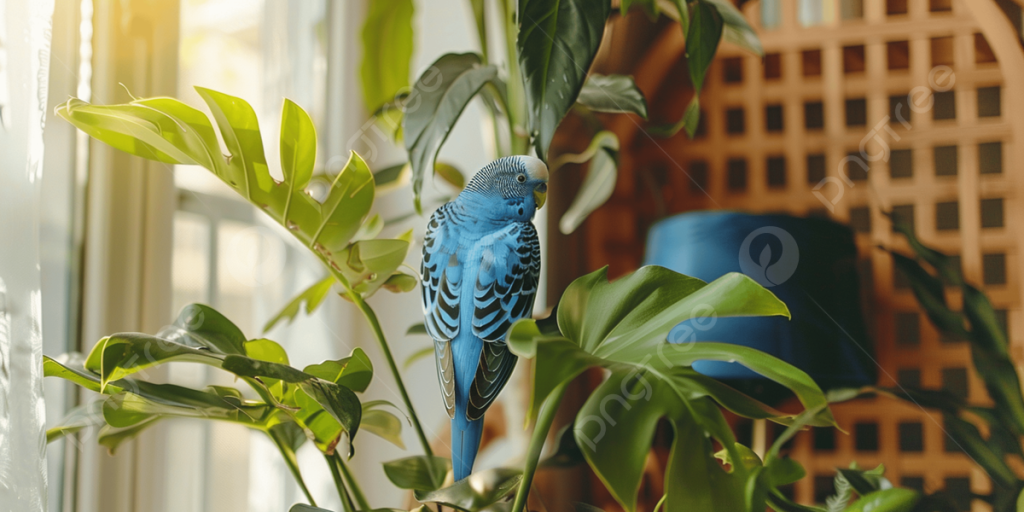

Keeping a bird entertained indoors is more than just giving it a few toys to peck at, it’s about enriching its world. Birds are naturally curious, active, and highly intelligent creatures that crave stimulation and social interaction. Left without enough mental and physical activity, they can easily become bored, frustrated, or even depressed. I’ve seen how quickly a lively, chirping companion can lose its spark when it doesn’t get enough engagement. Birds need fun, challenge, and companionship to stay happy and healthy, even within the four walls of your home.
The Importance of Mental and Physical Stimulation
Birds in the wild spend their days flying, foraging, calling out to their flock, and exploring new surroundings. This constant activity keeps their minds sharp and their bodies in motion. Indoor birds, however, live in a controlled environment with limited space and predictable routines. Without enough stimulation, they can develop destructive habits like feather plucking, screaming, or pacing.
Keeping your bird entertained indoors is about mimicking the natural challenges it would face in the wild. This means offering opportunities for exercise, exploration, and problem-solving. Every new object or sound becomes a chance for your bird to engage its senses and satisfy its natural curiosity.
Rotating Toys to Prevent Boredom
Toys are an obvious source of entertainment, but the trick lies in variety and rotation. Birds are intelligent enough to get bored of the same toy after just a few days. That’s why I like to keep a selection of toys and switch them out regularly. This keeps things fresh and exciting.
A mix of toy types works best. Chew toys satisfy a bird’s need to gnaw and prevent overgrown beaks. Puzzle toys engage their problem-solving instincts, while swings and climbing ropes encourage movement. Foraging toys, where treats are hidden inside small compartments, are particularly rewarding because they stimulate both mental and physical activity.
When I rotate toys, I like to introduce one or two “new” ones while removing others. After a few weeks, the older toys feel new again once reintroduced. This cycle keeps the bird interested without needing an endless supply of new purchases.
Creating a Stimulating Cage Environment
The cage should be more than a resting place, it should be a playground. The setup inside can make a big difference in how entertained your bird feels throughout the day.
I start by placing multiple perches at different heights and materials. Natural wood perches are ideal because they offer varied textures, which help exercise a bird’s feet. Adding ladders, bells, and hanging ropes turns the cage into a mini jungle gym. Birds love climbing and exploring vertical space, so keeping them moving between levels helps maintain both muscle tone and engagement.
Changing the arrangement inside the cage every few weeks can reignite curiosity. Just moving a perch or hanging toy to a new spot can encourage exploration and activity.
Encouraging Foraging Behavior
Foraging is one of the most natural and important behaviors for birds. In the wild, they spend hours searching for food. Indoors, food is usually served in a bowl, taking away that instinctive challenge. Reintroducing foraging helps satisfy their natural drive and keeps them occupied.
You can hide small treats in paper cups, cardboard boxes, or foraging toys. Even something as simple as wrapping a seed mix in a piece of paper and tucking it in a corner can turn mealtime into an adventure. Birds love tearing through layers to uncover what’s inside.
I’ve also found that scattering small pieces of food across the cage floor or placing them in hanging cups makes the process more engaging. It transforms feeding from a passive act into an activity that stimulates both mind and body.
Safe Out-of-Cage Time
No matter how elaborate the cage setup, birds need time outside of it. Flight or movement beyond the bars helps them stretch their wings, explore, and bond with their surroundings. The key is to make out-of-cage time safe and engaging.
Before letting your bird out, ensure all windows are closed, fans are off, and no toxic plants or open water sources are nearby. Once the environment is secure, you can encourage exploration by setting up perches, play stands, or even a designated bird gym area.
I’ve noticed that birds enjoy being part of household activity. Allowing them to perch near where you’re reading or working gives them a sense of companionship. They observe, vocalize, and sometimes even mimic your sounds. It’s interactive entertainment for both you and the bird.
Music, Sounds, and Visual Entertainment
Birds respond strongly to sound. In the wild, they communicate constantly, and silence can feel unnatural to them. Playing gentle background music, nature sounds, or recordings of bird calls can provide stimulation.
I like to leave soft instrumental or natural soundtracks on when I step out for a while. Some birds even develop preferences, they might chirp more to certain songs or mimic specific tones. Interactive sound toys, like bells or chimes, also let them create their own music.
Visual entertainment is another great option. Birds enjoy watching outside activity, so placing the cage near a window (without exposing them to direct sunlight all day) can be fascinating for them. They can watch other birds, trees swaying, or passing people. Just make sure the window area feels safe and not overwhelming.
Social Interaction and Communication
Birds are highly social animals, and most thrive on attention. Talking to your bird throughout the day keeps it engaged and reassured. Even if you’re not holding it, hearing your voice can comfort and entertain it.
I often talk to my bird while doing chores or working on my computer. It’s not just about mimicking speech, it’s about connection. Birds recognize tones, emotions, and patterns in your communication.
If your schedule keeps you busy, try leaving a recording of your voice or setting up an interactive bird-safe mirror. Some birds enjoy seeing their reflection, believing it’s another bird to interact with. However, mirrors should be used sparingly to avoid obsessive behavior.
Introducing New Experiences
Routine provides comfort, but novelty keeps life exciting. Introducing new experiences, even small ones, keeps your bird’s mind active. Rearranging the cage layout, offering new toys, or changing the play area setup can spark curiosity.
You can also offer new textures and materials for exploration. Paper, cardboard, or untreated wood blocks can become favorite playthings. Birds love tearing things apart, it’s a natural instinct that keeps their beaks healthy and their energy focused on something positive.
Seasonal changes can bring opportunities for enrichment too. During holidays, I like to hang bird-safe decorations or place branches from safe trees (like apple or willow) inside the cage for exploration.
Training Sessions for Bonding and Enrichment
Training your bird is not just about teaching tricks, it’s a form of mental stimulation. Birds love the interaction and problem-solving aspect of training sessions. Teaching simple commands like “step up,” “wave,” or “turn around” gives them structure and purpose.
Short, consistent sessions work best. I usually keep them under ten minutes and use positive reinforcement like treats and praise. Birds quickly learn to associate these sessions with fun and attention. It strengthens trust and provides valuable entertainment that challenges their intelligence.
Some birds even enjoy learning to mimic words or whistles. While not all species are natural talkers, many can learn to imitate sounds, which keeps them mentally sharp.
Creating a Safe Indoor Playground
Designating a specific area in your home for playtime can transform your bird’s indoor experience. This space can include a play stand, climbing ropes, swings, and toys that encourage movement.
I like to change the setup occasionally to introduce variety. One week, the stand might have ladders and a rope bridge; the next, I might hang new chew toys or puzzles. Birds appreciate novelty, and rearranging their play area prevents monotony.
You can also involve your bird in daily household activities. Let it sit nearby while you read, cook (safely away from fumes and heat), or watch television. The more it feels part of your daily life, the more fulfilled it becomes.
Using Natural Elements Indoors
Bringing nature indoors adds an enriching layer to your bird’s environment. Safe branches, leaves, and natural materials mimic what they’d experience outside. Birds love climbing on real wood, shredding leaves, and exploring textures.
I often introduce fresh herbs like basil or parsley for my bird to nibble on. They provide both stimulation and nutrition. Rotating these natural additions gives your bird something new to explore regularly.
Bird baths are another excellent feature. A shallow bowl or misting spray encourages preening and bathing, which are both physically and emotionally satisfying activities. Watching a bird splash and fluff its feathers is also a sign of happiness and comfort.
Avoiding Common Mistakes That Lead to Boredom
One of the biggest mistakes bird owners make is assuming a single toy or perch is enough. Birds thrive on change and challenge. Another mistake is isolating the cage in a quiet or unused room. Birds want to be part of the household energy, they enjoy noise, conversation, and activity.
Overcrowding the cage can also backfire. While you want to provide stimulation, too many toys or objects can make the space feel cramped and stressful. Striking a balance between enrichment and comfort is key.
Lastly, never underestimate the power of interaction. A bird’s happiest moments often come from simply spending time with its human companion. Ignoring them, even unintentionally, can lead to boredom and loneliness.
Signs Your Bird Is Well Entertained
A happy, well-stimulated bird is easy to spot. It’s active, curious, and vocal. You’ll see it exploring toys, moving between perches, and engaging with its environment. Preening is another good sign, it shows comfort and confidence.
Your bird may also sing, whistle, or mimic sounds throughout the day. Its feathers will look smooth and vibrant, and it will show excitement when you approach. These are all signs that it’s getting the stimulation and attention it needs.
If your bird is calm yet alert, eats well, and maintains regular routines, you’re providing the right level of entertainment and care.
Final Thoughts
Keeping a bird entertained indoors is an ongoing process of creativity and connection. It’s about building a dynamic environment that challenges the bird’s mind, fulfills its instincts, and strengthens your bond. Whether it’s rotating toys, offering new textures, playing music, or training together, every effort contributes to its happiness.
I’ve found that the more time and imagination I invest in enriching my bird’s world, the more responsive and joyful it becomes. Birds are remarkable companions with big personalities and even bigger hearts. They don’t just need space, they need interaction, stimulation, and love.
A bird that’s entertained and engaged is a bird that thrives. By turning your home into a safe, vibrant playground, you’re giving it the best life possible, one filled with curiosity, laughter, and the sweet sound of contented chirps echoing through your day.