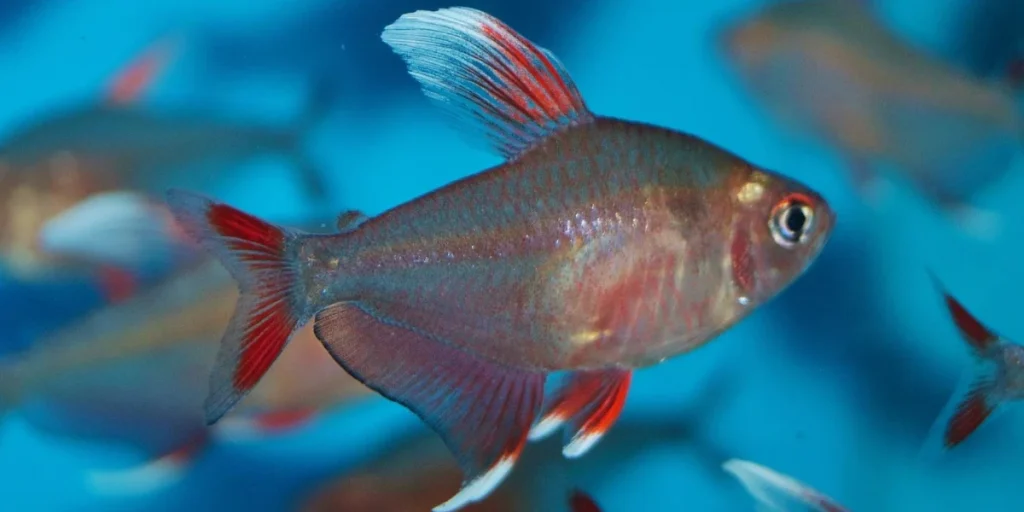

Bringing new fish into an aquarium is both exciting and delicate. It’s a process that requires patience and precision to ensure the safety of all your aquatic pets. Fish are sensitive creatures, and any sudden change to their environment can cause stress, disease, or even death. Over the years, I’ve realized that introducing new fish isn’t just about adding beauty to the tank, it’s about maintaining a balanced and healthy ecosystem. The steps you take before and during this process can make a world of difference in your aquarium’s long-term harmony.
Preparing the Aquarium for New Fish
Before introducing new fish, I always make sure the aquarium is ready to receive them. This means the tank should be fully cycled, the water parameters stable, and the environment calm. Cycling ensures that beneficial bacteria are present to break down harmful waste like ammonia and nitrite, which can be lethal to fish. Without a proper cycle, even the hardiest species might struggle to survive.
I start by testing the water to confirm that ammonia and nitrite levels are at zero, while nitrate levels remain below 20 parts per million. I also check the pH, temperature, and hardness to ensure they align with the needs of both the new and existing fish. Inconsistent conditions are one of the most common causes of stress, so getting this right is crucial.
Once I’m sure the tank is stable, I turn my attention to the layout. Fish need places to hide, especially during introductions. Caves, plants, driftwood, and rocks offer shelter and reduce aggression by giving fish their own territory. I sometimes rearrange decorations before adding newcomers so that established fish are less territorial. A changed layout creates a neutral ground, preventing older residents from seeing the tank as their exclusive domain.
Quarantining New Arrivals
No matter how healthy fish look at the store, I never skip quarantine. Pet shops often house fish from different suppliers, and even if one batch looks fine, it could carry parasites or bacterial infections that won’t be visible right away. I keep a separate quarantine tank, usually around ten to twenty gallons depending on the species I’m bringing home.
The quarantine period typically lasts two to four weeks. During this time, I observe the new fish closely for signs of illness like white spots, cloudy eyes, frayed fins, or unusual behavior. If I notice anything suspicious, I treat it before introducing them to the main tank. Quarantine tanks are simple setups, bare-bottomed for easy cleaning, equipped with a sponge filter, a heater, and some PVC pipes or fake plants for hiding. This setup makes it easy to monitor health and behavior without stressing the fish.
While quarantined, I also take the chance to get the new fish used to my feeding routine. Some fish refuse to eat right away, and this period gives me time to help them adjust before they join the larger community. Once they are eating well, active, and healthy, I know they’re ready for the main tank.
Matching Water Parameters
One mistake I used to make was assuming all freshwater fish could thrive under the same water conditions. Over time, I’ve learned how crucial it is to match the new fish’s preferred water parameters to those in my existing tank. Drastic differences in temperature, pH, or hardness can shock their systems, making them vulnerable to disease.
Before adding new fish, I research their ideal temperature range and pH level. For example, tetras and angelfish prefer slightly acidic water, while African cichlids thrive in more alkaline conditions. If the parameters are too different, I gradually adjust the quarantine tank’s water to resemble that of the main aquarium. This way, the fish have a smoother transition and don’t experience sudden stress when introduced.
Acclimating Fish to the Main Tank
Acclimation is perhaps the most important step in introducing new fish safely. Even if the water looks clear and the fish appear healthy, abrupt temperature or chemical changes can be fatal. I prefer the drip acclimation method because it’s gentle and minimizes stress.
After floating the sealed bag containing the new fish in the aquarium for about fifteen to twenty minutes to equalize temperature, I open it and pour the contents into a clean bucket. Using airline tubing, I start a slow siphon from the aquarium into the bucket, letting water drip in at about two to four drops per second. This process usually takes around forty-five minutes to an hour, allowing the fish to gradually adjust to the new water chemistry.
Once the bucket is about half full, I gently net the fish and release them into the tank. I never pour the bag or bucket water into my aquarium because it can contain contaminants or pathogens from the pet store. After introducing them, I dim the lights to help the new arrivals settle in peacefully.
Monitoring Behavior After Introduction
The first twenty-four to forty-eight hours after adding new fish are critical. I always observe closely for any signs of aggression or stress. Some fish, especially territorial species like cichlids or bettas, might chase or nip at the newcomers. This behavior is often temporary as they establish hierarchy, but prolonged aggression needs intervention.
If I notice persistent bullying, I separate the aggressor temporarily or add more hiding spots to break up sight lines. Sometimes, rearranging decorations again helps reset territories and reduces tension. I also watch for signs of stress in the new fish, such as rapid breathing, clamped fins, or hiding excessively.
Feeding is another good indicator of how well fish are settling in. I offer small portions of food and check if the newcomers are eating alongside the older residents. If they’re hesitant or seem frightened, I feed smaller amounts more frequently until they adapt.
Managing Compatibility and Social Dynamics
One of the most overlooked aspects of adding new fish is understanding social compatibility. Not all fish get along, and some species are natural bullies or loners. Before bringing new additions home, I research their temperament, preferred tank mates, and adult size. What starts as peaceful coexistence can quickly turn into aggression as fish grow.
For community tanks, I prioritize species known for mild temperaments such as tetras, rasboras, guppies, or corydoras. For semi-aggressive tanks, I ensure all fish are of similar size to prevent dominance issues. I’ve also learned that overcrowding leads to stress and territorial disputes, so I plan carefully to maintain a healthy stocking level. The general rule I follow is one inch of fish per gallon of water, but I adjust depending on species activity and filtration capacity.
Maintaining Water Quality During Introduction
Adding new fish increases the biological load on the filter, which can cause ammonia spikes if the system isn’t ready. Before introducing them, I always perform a partial water change, around twenty-five to thirty percent, to freshen the tank and stabilize parameters. I also clean the filter media if needed but avoid overdoing it to preserve beneficial bacteria.
After the introduction, I monitor the water daily for a week, testing ammonia, nitrite, and nitrate levels. If I notice a spike, I perform small, frequent water changes to keep toxins low. Consistent water quality not only helps new fish adjust but also keeps existing ones from becoming stressed by sudden changes.
Using Stress-Reducing Supplements
During transitions, I sometimes use water conditioners with stress-relief properties. These usually contain aloe vera or electrolytes that help protect the fish’s slime coat, which acts as their natural defense against infections. A few drops of such products can make the acclimation process less traumatic.
I also add beneficial bacteria supplements to help the biofilter adjust to the increased waste load. These products are especially useful when adding multiple fish at once, as they stabilize the tank faster.
Observing Long-Term Integration
Even after the initial excitement fades, I continue observing how the new fish interact over the next few weeks. Changes in behavior can reveal hidden issues like dominance struggles or disease outbreaks. I’ve found that most fish need at least two weeks to fully adapt to their new environment.
If the new additions remain healthy, active, and feed well, it’s a sign that the introduction was successful. Over time, they begin to form natural social bonds, swim confidently, and display their true colors. Watching this transformation reminds me that patience and care always pay off in fishkeeping.
Common Mistakes to Avoid
Many aquarium enthusiasts make mistakes during introductions that lead to unnecessary losses. One major error is skipping quarantine, which can expose the entire tank to disease. Another is adding too many fish at once, overwhelming the filtration system. It’s always better to introduce small groups gradually, allowing the tank to adjust.
Another common oversight is mixing incompatible species without researching their needs. Some fish are territorial, others prefer schools, and a few are nocturnal and require dim environments. Overlooking these factors often leads to conflict or stress. Lastly, rushing acclimation can shock the fish, so I always take my time during this stage.
Final Thoughts
Introducing new fish safely isn’t a complicated task, but it requires attention to detail and patience. Each step, from preparation and quarantine to acclimation and observation, plays an essential role in ensuring success. Fish thrive in stable environments where stress is minimal and conditions are consistent. By carefully planning introductions, I’ve managed to maintain peaceful, thriving aquariums that bring joy and tranquility to my home.
Watching new fish settle in, interact with others, and display their natural behaviors is one of the most rewarding aspects of the hobby. It reminds me that aquariums aren’t just decorations; they’re living ecosystems that demand respect and care. With the right approach, introducing new fish becomes a smooth, stress-free experience for both you and your aquatic pets, setting the stage for a vibrant and harmonious underwater world.