
Reptiles are fascinating pets with unique personalities and behaviors, but they’re also sensitive creatures that react strongly to their environment. Unlike dogs or cats, reptiles don’t express stress in obvious ways. Instead, their signs can be subtle, and missing them can lead to health problems or even behavioral changes that make handling difficult. Over the years, I’ve noticed that stress can creep up on reptiles quietly, often due to small issues in temperature, lighting, or enclosure setup. Recognizing the early signs is the key to keeping them healthy and content.
Physical Signs of Stress in Reptiles
One of the most immediate ways to identify stress in reptiles is through their physical condition. A reptile under stress might lose weight despite eating normally or, in some cases, stop eating altogether. I’ve seen snakes and lizards that once fed eagerly suddenly turn away from food for days or even weeks. Weight loss, especially when paired with lethargy, often signals that something is wrong in their environment or that they’re feeling insecure.
Abnormal shedding can also indicate stress. Shedding should happen smoothly, but if pieces of old skin remain stuck around the eyes, tail, or toes, it’s often a sign that the reptile’s humidity levels are off or that it’s feeling unwell. Inconsistent humidity is stressful for species like geckos and snakes, which rely on moisture to shed properly.
Another physical indicator is color change. Some reptiles, like bearded dragons and chameleons, visibly darken or pale depending on mood or temperature. If I notice my reptile turning darker more often than usual, it usually means it’s feeling anxious, cold, or threatened. Persistent dull coloration can also signal chronic stress rather than a temporary reaction.
Behavioral Signs of Stress
Behavioral changes are often the clearest indicators of stress. A reptile that hides constantly, even during normal active hours, may be feeling insecure. I always make sure my reptiles have secure hiding spots, but if they never emerge, that’s a sign they’re not comfortable in their environment. On the opposite side, excessive pacing or glass surfing , where reptiles repeatedly scratch or climb the enclosure walls , shows restlessness or an attempt to escape an uncomfortable situation.
Aggression is another behavior I pay close attention to. A normally calm reptile that starts hissing, biting, or tail whipping is likely reacting to stress. This is especially common in reptiles that have been handled too frequently or placed in enclosures with inadequate space or enrichment. Some reptiles even show defensive behaviors like puffing up, gaping their mouths, or flattening their bodies to appear larger.
Lethargy can also point to stress, though it can sometimes be confused with normal rest. If a usually active lizard stops moving for long periods, remains in one corner of the tank, or ignores stimulation, I consider it a red flag. Consistent inactivity can lead to poor digestion and weakened immunity if not addressed.
Appetite Changes
Appetite is one of the first things I monitor in all my reptiles. A healthy reptile eats regularly and responds to feeding times predictably. Stress disrupts this rhythm. I’ve seen snakes refuse prey, turtles ignore pellets, and lizards turn away from insects they usually chase down. Loss of appetite often points to stress caused by temperature fluctuations, improper lighting, or changes in the environment.
In some cases, overfeeding or offering food too frequently can also contribute to stress. Reptiles have slower metabolisms, and feeding them on a rigid schedule without considering their species’ needs can overwhelm their digestive system. I make sure feeding aligns with natural behaviors , for example, nocturnal reptiles eat best in the evening, while diurnal ones prefer daytime feeding.
Environmental Factors That Cause Stress
Stress often originates from the reptile’s habitat. Reptiles are highly dependent on their environment, and even small imbalances can affect their mood and health. Temperature gradients are vital because reptiles regulate body temperature externally. If the warm side is too cool or the cool side too warm, they can’t properly thermoregulate. I always use digital thermometers to ensure accurate readings and maintain ideal conditions.
Humidity also plays a major role. Species like ball pythons or chameleons require precise humidity levels to stay hydrated and shed properly. If humidity drops too low, they become dehydrated, stressed, and more prone to respiratory problems. On the other hand, overly high humidity can lead to mold growth or skin infections.
Lighting is another critical factor. Reptiles need proper UVB exposure to synthesize vitamin D3 and absorb calcium. Without it, they may experience both physical and mental stress. I keep a strict lighting schedule that mirrors natural daylight cycles. Sudden changes in lighting or inconsistent patterns often cause confusion and anxiety.
The Role of Enclosure Size and Setup
A cramped or poorly designed enclosure can cause chronic stress. Reptiles need space to move, explore, and exhibit natural behaviors. I’ve noticed that reptiles kept in small tanks often develop pacing habits or attempt to climb the glass. For active species like iguanas or monitors, insufficient space can lead to both mental and physical health problems.
Proper hides are equally important. Reptiles need places where they feel safe and secure. Without them, they become exposed and anxious. I provide multiple hiding spots , one on the warm side and another on the cool side , so my reptiles can regulate both temperature and comfort. Enclosure decor like rocks, branches, and plants also helps mimic natural habitats, giving reptiles mental stimulation and a sense of territory.
Substrate choice matters too. Some reptiles become stressed by rough or unnatural flooring that irritates their skin. I use substrates that replicate their natural environment , sand for desert species, soil or moss for tropical ones. A comfortable base makes a huge difference in reducing stress.
Handling and Human Interaction
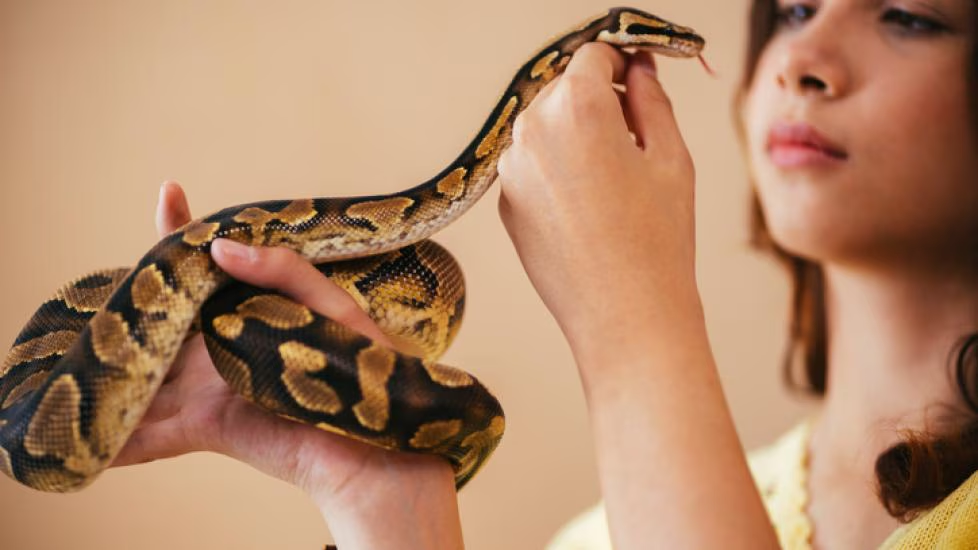
Reptiles vary greatly in how they tolerate handling. Some species, like bearded dragons, adapt well to human interaction, while others, such as chameleons or certain snakes, prefer minimal contact. Overhandling is one of the most common causes of reptile stress. I’ve learned to read body language carefully before picking up my reptiles. If they tense up, hiss, or move away, I give them space.
I also avoid sudden movements or loud noises around their enclosures. Reptiles are highly sensitive to vibrations and can interpret fast movements as threats. Establishing a calm, predictable routine helps them trust me over time. Gradual handling, gentle movements, and a quiet environment build confidence without overwhelming the animal.
The Impact of New Environments
Introducing a reptile to a new home or enclosure often leads to temporary stress. I’ve seen newly acquired reptiles hide for days or refuse food until they feel secure. This is normal, but I minimize stress by preparing the habitat beforehand with correct temperatures, humidity, and hiding spots.
I also avoid handling newly acquired reptiles for at least a week. During this period, I let them explore and adjust to their surroundings without interference. Stress often fades once they recognize familiar scents and develop a routine. For reptiles that continue to show signs of distress, I double-check the setup to ensure no environmental issues are contributing to the problem.
Signs of Chronic Stress
Short-term stress is manageable, but chronic stress can lead to severe health issues. Reptiles under prolonged stress often exhibit constant hiding, weight loss, frequent shedding problems, and even weakened immune systems. In some cases, they may develop behavioral disorders like repetitive movement patterns or self-injury, such as tail biting or scratching against enclosure walls.
I monitor my reptiles daily, looking for gradual changes in behavior rather than sudden shifts. Chronic stress rarely appears overnight; it builds up over time. Identifying these patterns early helps prevent long-term harm. Regular vet visits are also part of my care routine, especially for reptiles showing signs of ongoing distress.
Signs of Illness Triggered by Stress
Stress weakens a reptile’s immune system, making it more susceptible to infections. Respiratory illnesses, parasitic infestations, and skin conditions often develop when stress levels remain high. Common symptoms include open-mouth breathing, wheezing, discolored scales, or irregular shedding.
If I suspect stress-related illness, I never attempt to treat it on my own. Reptile veterinarians can identify underlying causes through examination and diagnostic tests. Addressing both the illness and its source of stress ensures a faster recovery.
Diet and Feeding Environment
The feeding environment itself can either calm or stress a reptile. Some reptiles prefer eating in solitude, while others don’t mind observation. Feeding in a noisy or brightly lit area can discourage eating and raise stress levels. I create a quiet feeding zone, reducing movement and distractions.
The diet itself also influences stress. Poor nutrition leads to lethargy, irritability, and vulnerability to disease. I make sure each reptile receives a diet suited to its species , insects for insectivores, greens for herbivores, and properly thawed rodents for carnivores. Overfeeding can also cause stress by straining digestion, while underfeeding leads to weakness and anxiety. Balanced feeding schedules help maintain both health and temperament.
Maintaining a Stable Routine
Reptiles thrive on routine. Consistency in feeding, lighting, and handling times makes them feel secure. Sudden changes, like moving their enclosure or altering the lighting schedule, can trigger stress responses. I maintain a steady pattern, turning lights on and off at the same times each day.
Cleaning and maintenance routines also affect stress. I clean enclosures gently and avoid strong-smelling cleaning products that could irritate their senses. Instead, I use reptile-safe disinfectants and make gradual changes rather than complete overhauls that might shock them.
How I Help My Reptiles Relax
Over time, I’ve developed strategies to calm stressed reptiles. I make sure their environment replicates their natural habitat as closely as possible, with appropriate heat, humidity, and space. Soft background sounds, like ambient nature tracks, sometimes help ease anxious reptiles, especially species sensitive to sudden noises.
I limit direct interaction during stressful periods and focus on observation. Once the reptile settles, I gradually reintroduce handling, allowing them to climb onto my hand voluntarily rather than being picked up suddenly. Patience is key , forcing interaction only worsens the problem.
Monitoring Long-Term Wellbeing
I track each reptile’s feeding habits, activity levels, and shedding cycles in a notebook. This record helps me detect patterns that suggest stress before it escalates. Even subtle changes, like eating a little less or hiding more than usual, can indicate discomfort.
Periodic veterinary checkups confirm that my reptiles are healthy internally, as some stress-related issues aren’t visible. Parasites, infections, and vitamin deficiencies can mimic stress symptoms, so professional input is always valuable.
Conclusion
Recognizing stress in reptiles takes time, observation, and patience. Unlike mammals, reptiles express discomfort through small changes in behavior, color, and appetite. By paying attention to these cues, I’ve learned to make adjustments that restore calm and confidence in my pets.
Most stress-related problems stem from environmental issues, improper handling, or sudden changes. Maintaining stable temperatures, humidity, lighting, and routines greatly reduces anxiety. Providing hiding spots, space, and proper nutrition also helps reptiles feel secure and thrive.
A reptile that’s relaxed will explore its surroundings, eat regularly, and display bright, healthy colors. By observing, adapting, and respecting their natural instincts, I can ensure my reptiles live long, peaceful lives. Stress may never be completely avoidable, but with the right care, it becomes manageable , and the bond between reptile and keeper only grows stronger because of it.