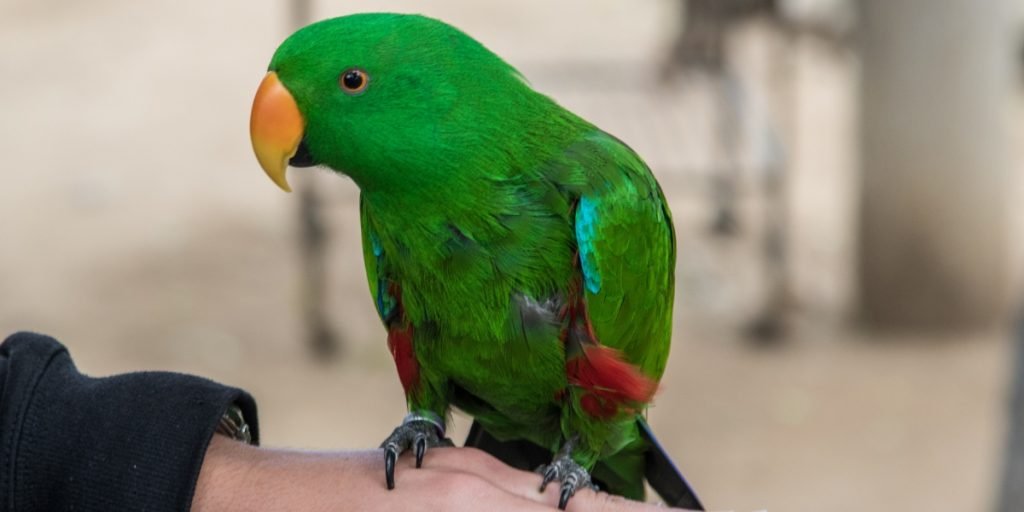

Teaching a bird to talk can be one of the most rewarding parts of living with a feathered companion. Hearing your parrot or parakeet mimic your words, call your name, or even carry on short conversations feels magical. Birds that talk well seem more connected to their humans, more curious, and more expressive. But talking isn’t just a trick, it’s a form of communication. Birds mimic speech because they are social creatures who want to interact with their flock, and in a home setting, that flock is you.
The process takes patience, repetition, and consistency. Some birds will pick up words quickly, while others might take months to form their first syllable. The secret lies not in forcing speech but in making your bird feel engaged, safe, and excited to connect with you through sound.
Let’s deep dive into How Can I Teach My Bird to Talk?
Why Some Birds Talk and Others Don’t
Not all birds are natural talkers. Certain species are more inclined to mimic human voices because of their strong social instincts and ability to interpret sound patterns. Parrots, African greys, Amazon parrots, cockatoos, and budgerigars (budgies) are among the most talented mimics. Their intelligence and curiosity make them eager to imitate the sounds they hear often.
Birds like finches, canaries, and doves, on the other hand, don’t usually develop speech. They can mimic tones or whistles but rarely form words. It doesn’t mean they are less intelligent, they simply express themselves differently.
Even within talking species, personalities vary. Some parrots are chatterboxes, while others remain quiet observers. Age also plays a role. Younger birds tend to learn faster because they’re still developing communication habits. That said, older birds can learn too; they just require more consistency and encouragement.
Building Trust Before Teaching Words
Before speech training begins, your bird needs to trust you. A bird that feels anxious or unsafe will focus on survival, not communication. I always start by spending calm, consistent time near my bird’s cage. Talking softly, offering treats, and moving slowly helps establish comfort.
Once a bird feels relaxed in your presence, it starts associating your voice with safety and attention. This foundation is crucial because birds mimic sounds from those they trust and bond with. The closer your relationship, the more likely your bird will try to “talk” back to you.
Training a scared or stressed bird to talk rarely works. Instead, build a strong emotional connection first. Simple things like feeding by hand, whistling softly, or responding gently to their chirps can build the confidence they need to mimic your words.
Setting the Right Environment for Learning
A bird’s environment influences its mood and concentration. Training should take place in a quiet, comfortable space without distractions. Background noise like television or other pets can confuse the bird and make it harder for them to focus on your words.
I like to train my bird in short sessions during the morning or late afternoon, when they’re alert but calm. Birds are most receptive at these times. The training area should be well-lit, free from sudden movements, and relaxed.
Repetition is key. Hearing the same words in a consistent tone helps the bird recognize them as distinct sounds worth mimicking. If the environment feels stable and safe, your bird will pay more attention to your voice and eventually try to replicate it.
Starting with Simple Words
The first words should be short and easy to pronounce. Birds respond best to clear, repetitive sounds. Words like “hello,” “hi,” “bye,” or their own name are great starting points. Say these words naturally, in the same tone, and at similar times of day.
I often greet my bird with “hello” each morning and say “bye-bye” before leaving the room. Over time, they begin to associate these words with specific actions. Parrots, especially, are observant, they start linking words to moments, not just sounds.
It’s important to avoid overwhelming them with too many words at once. Stick to one or two until they repeat them confidently. Once they’ve mastered those, you can expand their vocabulary gradually.
Using Tone and Emotion in Your Voice
Birds are highly attuned to tone. They mimic not only the sound of words but also the emotion behind them. Speaking in an enthusiastic, positive tone captures their attention far better than monotone repetition.
I always exaggerate my tone a little when teaching. If I say “hello,” I make it sound warm and welcoming. Birds notice emotional cues and will mimic the energy they sense. Over time, they can even learn to associate certain tones with moods, soft tones for calmness or excited tones for play.
Some birds also imitate laughter or expressions of affection because they notice the reactions these sounds create. That’s why consistency in both tone and reaction is essential for reinforcing the right behavior.
Repetition and Association
Birds learn through repetition, but not through forced repetition. Training should feel like interaction, not a drill. I repeat target words during everyday activities, feeding, greeting, or playing. This builds natural associations between words and experiences.
For example, saying “apple” each time you give them a slice helps them connect the sound with the fruit. Over time, they may say “apple” when they want it. Similarly, using their name often helps them recognize it as their personal identifier.
Consistency is what makes the difference. A few minutes of focused repetition several times a day is far more effective than one long, tedious session.
Rewarding Progress
Positive reinforcement makes learning enjoyable. Birds respond incredibly well to praise and rewards. I always offer a small treat or verbal praise when my bird makes an attempt to mimic a word, even if it’s not perfect.
Timing matters. The reward must come immediately after the attempt so the bird links the effort with the reward. Gradually, they’ll start repeating words intentionally because they’ve learned it gets them something pleasant.
Over time, as they master words, verbal praise alone can become a strong motivator. Some birds even puff up proudly after being praised, clearly aware they’ve done something special.
Mimicking Human Behavior
Birds often learn to talk by mimicking daily human interactions. If you frequently talk around your bird, they’ll pick up phrases naturally. Many parrots learn entire phrases not through direct training but simply by listening to regular household conversations.
I make a habit of including my bird in conversations. Saying things like “Do you want a snack?” or “Good morning!” during routines makes speech part of their day. They learn faster this way because they feel like part of the social circle.
Avoid teaching negative phrases or words said in frustration. Birds have excellent memories and can repeat words unexpectedly. Keeping speech positive and friendly prevents awkward surprises later.
Using Music and Sound as Teaching Tools
Birds are drawn to rhythm and melody. Playing short recordings of specific words or phrases can reinforce training, especially if the recordings are in your voice. I sometimes record myself saying “hello” or “pretty bird” and play it softly while I’m away.
Repetition through sound exposure helps strengthen memory. However, recordings should supplement, not replace, direct interaction. A bird learns to talk faster when speech is paired with visual cues and emotional connection.
Some parrots respond to music by whistling along or mimicking parts of songs. This shows their natural ability to interpret rhythm and tone, which can be used to teach them melodic phrases or even simple tunes.
The Role of Patience
Speech training requires patience. Some birds pick up words within weeks, while others may take months to utter their first one. Frustration or impatience only sets back progress.
I’ve found that birds sense your emotions. If you’re tense, they may feel uneasy and withdraw. Keeping training lighthearted and fun encourages curiosity and confidence. Even small improvements, like clearer chirps or partial sounds, should be celebrated as progress.
For many birds, the first attempt will sound garbled, almost like mumbling. With encouragement and repetition, those rough sounds eventually turn into clear words.
Building Vocabulary Gradually
Once your bird masters a few words, you can expand their vocabulary. Introduce new words in a familiar context. If they know “hello,” you can add “hello, pretty bird.” Linking new phrases to known ones makes the transition smoother.
I usually introduce one new word at a time and use it throughout the day. Birds retain new words better when they hear them repeatedly in short bursts rather than long sessions. Avoid adding too many at once, as this can confuse them.
Some birds naturally start combining words on their own. Parrots, especially, experiment with phrases they hear often, creating their own variations. Encouraging this creativity makes communication more dynamic.
Addressing Common Challenges
Not all birds will talk, no matter how much time you invest. Some prefer whistling or mimicking sounds like phone rings and doorbells instead of words. That’s perfectly normal. Talking doesn’t determine a bird’s intelligence or affection.
Another challenge is context confusion. Birds may say words randomly without understanding their meaning. Over time, repeating words in consistent situations helps them connect speech with real-life events.
If your bird becomes silent after making progress, don’t panic. They might be processing new sounds internally or feeling temporarily shy. Continue talking and reinforcing positive behavior without pressure.
Encouraging Natural Curiosity
Curiosity is a bird’s greatest learning tool. Birds are naturally inquisitive, they observe, listen, and imitate. I encourage curiosity by exposing my bird to new words, objects, and sounds regularly.
Interactive playtime, such as teaching them to associate a toy with a specific word like “ball,” stimulates both their mind and vocabulary. Allowing them to explore and express themselves builds confidence, which in turn supports speech development.
Social exposure also helps. Birds often learn from other talking birds. If you have more than one, they might start mimicking each other, which accelerates progress.
Creating a Daily Talking Routine
Routine strengthens memory. Consistent talking sessions at the same time each day help your bird anticipate and engage. I usually include training during feeding times or quiet morning hours.
The key is consistency without pressure. Some days your bird might be silent; other days, they’ll surprise you with progress. What matters is maintaining the connection and keeping communication enjoyable.
Including small talk throughout the day, simple greetings, names, or compliments, keeps their mind active. Talking shouldn’t feel like a chore; it should feel like bonding.
The Joy of Connection
Hearing a bird talk for the first time feels extraordinary, not because of the words themselves, but because it represents understanding and trust. The bird isn’t just mimicking, it’s communicating in the only human way it can.
Teaching speech deepens the relationship. It opens a two-way channel of affection and recognition. Your bird begins to see you not just as a caretaker but as a companion worth talking to.
Over time, these exchanges become a language unique to both of you. The sound of a cheerful “hello” or a spontaneous “I love you” becomes a reminder that patience and connection can bridge even the gap between species.
Conclusion
Teaching a bird to talk isn’t about showing off a clever trick, it’s about building a bridge of communication. The process takes time, trust, and genuine affection. Through repetition, consistency, and positive reinforcement, your bird learns not only to mimic but also to engage.
The key is to make speech training a joyful part of daily life. Talk often, stay patient, and celebrate every small milestone. With time, you’ll realize that each word your bird learns carries more than sound, it carries trust, companionship, and the purest expression of a bond between you and your feathered friend.