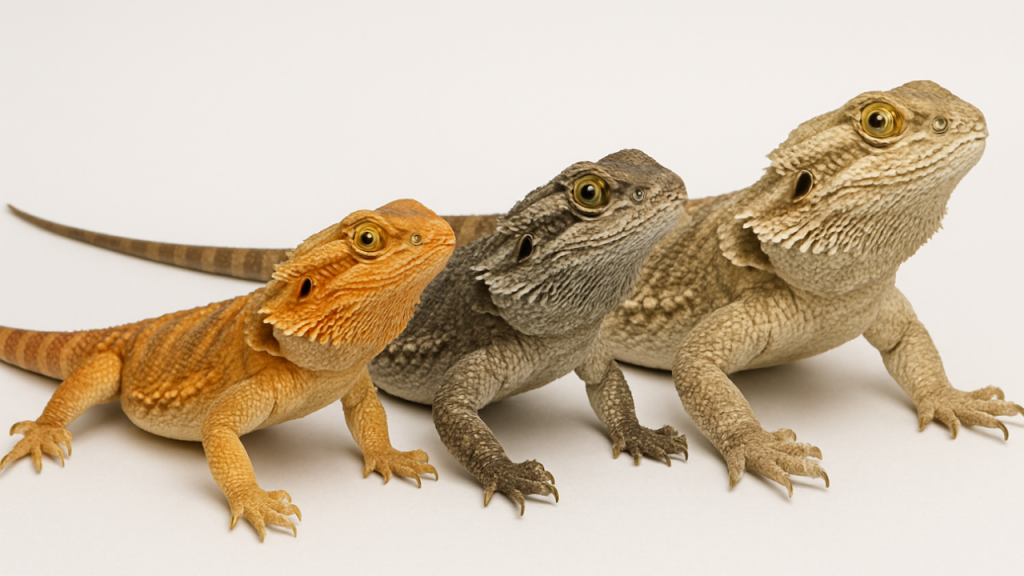

Handling reptiles is one of the most fascinating parts of owning them. Watching their slow movements, feeling the texture of their scales, and gaining their trust is deeply rewarding. Yet, as much as I enjoy holding my reptiles, I’ve realized that not all of them feel the same way about being handled. Some species tolerate it quite well, while others see it as a potential threat. The key to successful interaction is reading their behavior, knowing their limits, and understanding that comfort with handling depends on species, personality, and how they are introduced to human contact.
The Nature of Reptiles and Human Interaction
Reptiles are instinct-driven animals. Unlike dogs or cats, they don’t naturally seek companionship or affection. In the wild, most reptiles are solitary creatures that spend much of their time focused on survival , eating, basking, hiding, and reproducing. Handling is not a natural experience for them. It’s something they must learn to tolerate through consistent, gentle, and respectful interaction.
From my experience, reptiles interpret touch differently from mammals. They don’t associate it with affection but rather as a neutral or potentially threatening action depending on the situation. Over time, however, many reptiles can grow accustomed to handling if it’s introduced in a calm, predictable manner. Some even appear to enjoy being out of their enclosure because it allows exploration or exposure to warmth from human hands.
Species That Tolerate Handling Well
Not all reptiles respond the same way to handling. Some species are naturally more docile and adapt to human contact with ease. Bearded dragons, for instance, are among the friendliest reptiles kept as pets. They often sit calmly on their owner’s hand or shoulder, showing curiosity instead of fear. Ball pythons are another great example. Despite their size, they are generally gentle and slow-moving, which makes them ideal for handling once they feel secure.
Leopard geckos also tend to tolerate gentle handling, though they prefer shorter sessions. Corn snakes, known for their curious yet calm demeanor, often adapt quickly to being picked up. Turtles and tortoises can also tolerate light handling, though most prefer to explore rather than be held for long periods.
On the other hand, species like tokay geckos, green iguanas, and monitor lizards can be far less comfortable with handling, especially if not socialized early. They may display defensive behaviors such as biting, tail whipping, or hissing if they feel restrained or threatened.
Individual Personalities Matter
Even within the same species, personalities can vary widely. I’ve had two bearded dragons that behaved completely differently when handled. One would sit calmly for hours, occasionally climbing up my arm, while the other would puff up and attempt to flee after just a few minutes. This taught me that, like people, reptiles have unique temperaments.
Some reptiles simply tolerate handling rather than enjoy it. You can usually tell by their body language. A relaxed reptile will appear calm, with smooth, steady breathing, and may explore your hands or arms slowly. A stressed one might attempt to escape, flatten its body, gape its mouth, or even hiss. Recognizing these cues is crucial because pushing a reptile beyond its comfort zone can lead to long-term stress or fear of human contact.
Building Trust Gradually
Handling should never be rushed. The first step is allowing your reptile to get used to your presence. I often start by sitting near the enclosure and letting my reptile watch me. This helps them understand that I’m not a predator. Once they appear relaxed during feeding or regular activity, I start by placing my hand inside the enclosure without touching them, letting them sniff or observe.
Eventually, I gently scoop them up from below rather than grabbing from above, which can feel like an attack. Supporting the body fully and moving slowly helps the reptile feel secure. Short, calm sessions repeated regularly build familiarity and trust. Over time, the reptile begins to associate being handled with safety instead of fear.
Reading Behavioral Cues
Understanding a reptile’s behavior is essential in knowing whether they like being handled. Most reptiles express their comfort or discomfort through subtle movements and body language.
If a reptile is comfortable, it may move slowly, explore your hands, or even rest calmly without trying to flee. Their breathing remains steady, and they don’t puff up, hiss, or flatten their bodies. Some may even approach your hand willingly once they associate you with positive experiences like feeding.
Signs of stress, on the other hand, include rapid movements, tail twitching, open-mouth displays, hissing, or attempts to bite. Lizards may change color slightly, while snakes might coil tightly or move defensively. If you notice these signs, it’s best to return the reptile to its enclosure and try again later. Pushing through resistance can create fear that’s difficult to undo.
Time and Temperature
Reptiles are ectothermic, meaning they rely on external heat sources to regulate their body temperature. A reptile that’s too cold may be sluggish, while one that’s too warm may become agitated. The ideal time to handle them is usually after they’ve basked and warmed up but before they become too active.
I’ve found that handling reptiles in the morning or early afternoon works best because they are alert but calm. It’s also important to make sure the room temperature is comfortable, so they don’t experience sudden drops in body heat while being handled outside their enclosure.
The Benefits of Gentle Handling
Handled properly, reptiles can become more confident and accustomed to human presence. Regular handling helps reduce fear and makes routine care easier, such as cleaning the enclosure, feeding, or health checks. A reptile that trusts its owner is less likely to become defensive or stressed during these activities.
For reptiles that tolerate handling, the interaction can provide mild mental stimulation. Being out of the tank gives them a chance to explore new scents and textures safely. For owners, it deepens the bond and makes observing their pet’s personality more enjoyable.
However, it’s important to remember that handling should always serve the reptile’s comfort first, not just the owner’s desire for contact. Overhandling or handling too frequently can cause exhaustion or irritation, especially in young or newly acquired reptiles.
Handling Different Types of Reptiles
Each type of reptile requires a slightly different approach to handling.
For lizards like bearded dragons or leopard geckos, supporting the entire body and avoiding sudden movements is key. They tend to feel safer when they can rest all four feet on a solid surface, such as your hand or arm. Avoid gripping them tightly around the torso, as this can make them panic.
Snakes generally prefer being supported along their entire length. I let the snake move through my hands freely, allowing it to feel secure without restraint. Avoid grabbing the snake’s head or tail suddenly, as that can trigger defensive reactions.
Turtles and tortoises, though less expressive, can still experience stress from excessive handling. I usually hold them low over a soft surface and for short periods, since being off the ground can feel unnatural to them.
Chameleons are particularly sensitive and generally dislike being handled. Their skin and grip are delicate, and stress can affect their coloration and health. For these species, it’s better to admire them visually rather than try to handle them often.
Avoiding Common Handling Mistakes
Many handling issues arise from simple mistakes. Picking a reptile up from above mimics a predator’s attack, triggering fear. Grabbing too tightly can cause injury or stress. Handling immediately after feeding can also lead to regurgitation, especially in snakes. It’s best to wait at least 24 hours after a meal before handling.
Another common error is handling during shedding or illness. During these times, reptiles are more sensitive and may react defensively. If your reptile is shedding or seems lethargic, it’s best to let them rest.
Always wash your hands before and after handling. This prevents the transfer of bacteria like Salmonella and keeps harmful residues such as soap or lotion away from your reptile’s sensitive skin.
Building Positive Associations
Reptiles can form associations through repetition. I’ve noticed that handling sessions following feeding tend to go more smoothly because the reptile connects my presence with something positive. You can also use a soft tone or gentle movements to reinforce calm behavior.
Never chase or corner a reptile to pick it up, as this builds fear. Instead, allow it to approach your hand voluntarily over time. Some reptiles may even climb onto your hand willingly once they recognize it as safe. Patience always leads to better long-term results.
Recognizing Limits
Even the most tolerant reptiles have limits to how much handling they can comfortably tolerate. Over time, you’ll learn your reptile’s threshold , how long it enjoys being out and how often it likes to be handled. Some may be content with daily handling, while others prefer shorter, less frequent interactions.
Respecting these limits is crucial. I’ve noticed that after about fifteen to twenty minutes, most reptiles begin to show subtle signs of wanting to return to their enclosure. Their movements become more restless, or they try to move away from my hands. This is my cue to stop before they become stressed.
Long-Term Effects of Consistent Handling
Consistent, gentle handling builds confidence and trust over time. Reptiles that are regularly handled often become calmer and easier to care for. They learn that human interaction isn’t dangerous, which can make veterinary visits and routine maintenance far less stressful.
For reptiles that are less social by nature, handling may not lead to affection in the traditional sense, but it can help them remain calm and adaptable to new situations. A well-socialized reptile tends to eat better, show fewer signs of stress, and exhibit more natural behaviors even outside the enclosure.
Conclusion
Reptiles don’t experience affection the same way mammals do, but they can learn to feel comfortable and secure in your hands. Whether they enjoy handling depends on species, individual temperament, and how the process is introduced. Patience, respect, and consistency are the foundation of building trust.
I’ve come to appreciate that handling is not just about physical interaction but about communication. It’s a way of showing your reptile that you mean no harm and that the world outside its enclosure is safe. The goal isn’t to force affection but to create comfort. Some reptiles may never love handling, but they can learn to tolerate and even look forward to gentle interaction.
By paying attention to your reptile’s signals, maintaining the right conditions, and respecting their boundaries, you can build a relationship based on trust. Over time, those quiet moments of calm in your hands become a shared language , one that proves even the most ancient of creatures can learn to trust the people who care for them.