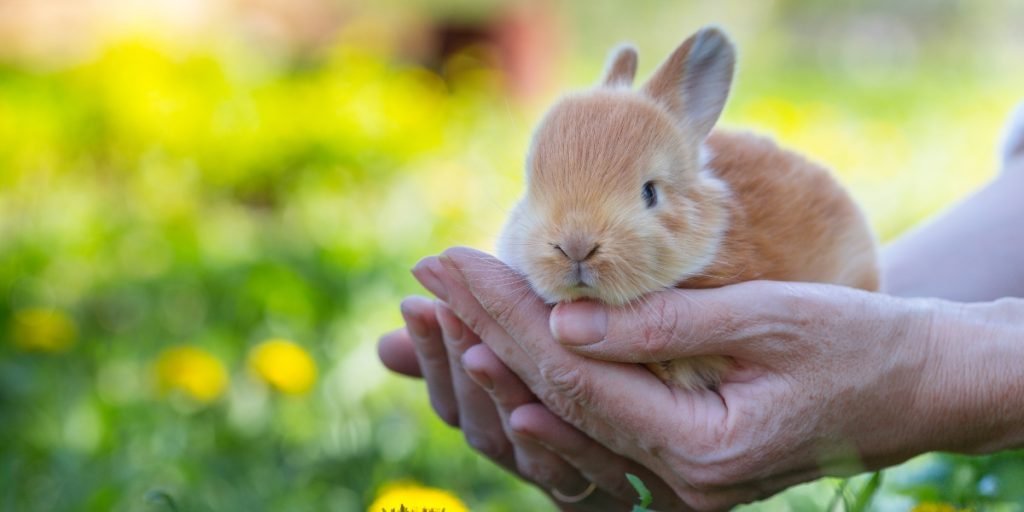

Rabbits are hardy, adaptable animals that can thrive in different environments, but caring for them outdoors requires more thought than simply placing a hutch in the backyard. While they are well equipped to handle moderate temperature changes, long-term outdoor living presents challenges that affect their health, safety, and overall quality of life. Over time, I’ve learned that outdoor housing can be both rewarding and risky depending on how well you manage the rabbit’s living conditions. The key is providing an environment that protects them from extreme weather, predators, and stress while still allowing them the space and stimulation they need to thrive.
The Natural Resilience of Rabbits
Rabbits are built to withstand a wide range of temperatures thanks to their dense fur and natural instincts. In the wild, they live in burrows that help regulate temperature, keeping them cool in the summer and insulated in the winter. Domestic rabbits share these instincts but rely on us to replicate that protective environment. I’ve found that outdoor rabbits can handle mild cold far better than heat, but they need adequate shelter, bedding, and ventilation to stay healthy.
Cold weather isn’t usually the biggest threat. Rabbits can adapt to chilly conditions by growing thicker coats in winter. The real danger comes from dampness, drafts, and extreme temperature fluctuations. If their bedding becomes wet or their hutch isn’t properly insulated, hypothermia can set in quickly.
Setting Up a Safe Outdoor Living Space
The hutch or enclosure is the foundation of outdoor rabbit care. A poorly designed hutch can undo all your best efforts, no matter how much attention you give. The structure should be sturdy, raised off the ground, and protected from rain and wind. I prefer hutches with solid roofs and sides that block drafts, paired with a secure wire front that allows ventilation.
Rabbits also need a separate sleeping compartment filled with thick, dry bedding. Straw works best in cold weather because it traps warmth, while hay or paper-based bedding helps in milder conditions. The sleeping area should be enclosed enough to keep heat in but still ventilated to prevent moisture buildup.
Predator protection is another critical consideration. Foxes, raccoons, dogs, and even birds of prey can pose threats to rabbits kept outdoors. I always double-check that wire mesh is predator-proof and that doors have secure latches that can’t be pried open. Rabbits are easily frightened, and constant exposure to predators, even if they can’t reach them, can cause chronic stress, which impacts their health.
Adjusting for Seasonal Changes
Seasonal adjustments are essential if you plan to keep rabbits outside year-round. Each season brings its own challenges, and preparation helps minimize risks.
In the winter, insulation becomes your top priority. I add extra straw and place blankets or tarps over the hutch at night to help retain warmth. However, the cover should still allow for airflow to prevent condensation. I also ensure water bottles don’t freeze by using insulated covers or switching to bowls during particularly cold nights.
In summer, overheating becomes the main concern. Rabbits tolerate cold better than heat, so I always provide shade and proper ventilation. I place the hutch in a shaded area and ensure it’s never directly exposed to the afternoon sun. Frozen water bottles or ceramic tiles can be placed inside to help keep them cool.
Spring and autumn tend to be easier, but I still watch out for sudden temperature drops or heavy rains. Rabbits need time to adjust to changing conditions, so it’s important to transition them gradually rather than expose them to abrupt weather shifts.
Social Needs and Stimulation
Outdoor rabbits can live happy, fulfilling lives if they receive enough stimulation and social interaction. They’re intelligent, curious animals that get bored easily without companionship or enrichment. I’ve learned that boredom can lead to destructive behaviors like digging or chewing excessively.
Providing toys, tunnels, and hiding spots keeps them engaged. Even something as simple as cardboard boxes or untreated wood blocks can make a big difference. Daily human interaction also matters. Spending time talking to or gently petting your rabbit helps them stay socialized and reassured.
If possible, keeping rabbits in pairs is ideal. They’re naturally social animals, and having a bonded companion provides comfort, especially during cold nights. However, introductions must be handled carefully, as not all rabbits bond easily. Once bonded, though, they become inseparable and rely on each other for warmth and emotional support.
Food and Water Considerations
Outdoor rabbits need a consistent supply of fresh food and water regardless of the season. In winter, water can freeze quickly, so I check it multiple times a day. Heated bowls or bottle covers designed for cold weather help prevent freezing. In summer, the opposite problem arises, water evaporates faster, so refilling it frequently is necessary.
A balanced diet of hay, pellets, and fresh vegetables keeps them healthy year-round. I store hay in a dry, sealed container to prevent mold, which can be deadly for rabbits. Placing hay in racks or elevated holders inside the hutch keeps it off damp ground.
During colder months, rabbits burn more energy to stay warm, so I increase their food portions slightly. Extra hay helps them regulate body temperature naturally through digestion. I also like to add a few root vegetables as occasional treats since they’re more calorie-dense.
Hygiene and Cleaning
A clean environment is just as important outdoors as indoors. Dirty bedding attracts flies, parasites, and bacteria, all of which can cause serious health issues. I remove soiled bedding daily and replace it with fresh material. Every week, I do a deeper clean by emptying the hutch completely, washing it with mild soap and water, and allowing it to dry thoroughly before adding new bedding.
Flystrike is one of the biggest risks for outdoor rabbits, especially in warm months. It happens when flies lay eggs on damp fur or soiled bedding, and the resulting maggots burrow into the rabbit’s skin. Keeping the living area dry and clean greatly reduces this risk. I also inspect my rabbit’s fur daily during summer to catch any early signs of trouble.
Health Monitoring
Outdoor rabbits are exposed to more environmental risks than those kept indoors, so regular health checks are crucial. I look out for changes in appetite, behavior, or posture, as these often signal illness long before visible symptoms appear. Runny eyes, nasal discharge, and lethargy can indicate respiratory infections caused by drafts or damp conditions.
Checking their fur and skin for parasites like mites or fleas is also important. These pests can thrive in outdoor settings and cause irritation or more serious health issues if left untreated. A balanced diet, clean environment, and plenty of exercise help boost their immunity and keep them strong throughout the year.
Vaccinations and regular veterinary checkups are non-negotiable for outdoor rabbits. Diseases like myxomatosis and rabbit hemorrhagic disease (RHD) spread through insect bites and contact with wild rabbits, both of which are more likely outdoors. Keeping vaccinations up to date provides critical protection.
Managing Heat in Summer
Hot weather can be more dangerous to rabbits than cold temperatures. Rabbits don’t sweat, and their ability to cool themselves is limited. Signs of heat stress include panting, drooling, lethargy, and warm ears. Once, during a particularly hot summer, I learned how quickly heat can affect them, even with shade. Since then, I’ve been more proactive in managing their environment.
I make sure they always have access to cool, shaded spots and plenty of ventilation. I sometimes place frozen water bottles wrapped in cloth inside the hutch for them to lie against. Ceramic tiles also help since they stay cool naturally. Spraying the ground around the hutch with water can lower the surrounding temperature slightly, but I avoid wetting the rabbits themselves.
Hydration is vital. I keep multiple water sources available in case one gets knocked over. Fresh greens with high water content, like romaine lettuce or cucumber, also help keep them hydrated.
Staying Warm in Winter
Winter brings its own set of challenges, but with preparation, outdoor rabbits can stay safe and cozy. The main goal is keeping them dry and protected from wind. I use tarps or hutch covers made of breathable materials that block drafts without trapping moisture inside.
Extra bedding is essential. Straw is my go-to because it insulates better than hay. I pile it thickly in the sleeping area, ensuring it stays dry and fluffy. If the temperature drops extremely low, I move the hutch into a sheltered area like a garage or shed, as long as it still gets natural light and ventilation.
I also check water frequently to make sure it doesn’t freeze. Some owners use heated bowls, but I prefer changing water several times a day to ensure it’s always fresh. Rabbits naturally huddle together for warmth if they have companions, so bonded pairs handle winter far better than solitary rabbits.
Protecting Against Predators
Predator safety cannot be overstated for outdoor rabbits. Even if a predator can’t physically reach them, the mere presence of one nearby can cause a rabbit to go into shock. I always position the hutch against a solid wall or fence and ensure the base is raised so no animal can dig underneath.
The wire used on the hutch should be heavy-duty and securely attached, not flimsy chicken wire that can be chewed through. I also lock the doors with metal latches that can’t be opened easily by raccoons or dogs. Motion-activated lights around the area can deter nocturnal predators.
If you live in an area with many wild animals, consider building a secure run attached to the hutch. This allows rabbits to exercise safely without risk of attack. I cover the top of the run as well, since hawks or owls can swoop down silently.
Transitioning from Indoors to Outdoors
If your rabbit has been living indoors, moving them outside suddenly can shock their system. Gradual acclimation helps them adjust safely. I start by letting them spend a few hours outdoors each day, gradually increasing the time over several weeks. This gives their fur and metabolism time to adapt to the changing temperature.
Spring or early autumn is the best time for such transitions because the weather is mild. Moving a rabbit outdoors in extreme heat or cold can cause stress or illness. Once they’re fully acclimated, I make sure they have consistent shelter and a familiar environment to minimize anxiety.
The Role of Exercise and Exploration
Outdoor living offers a huge advantage in terms of space. Rabbits love to run, dig, and explore, and these natural behaviors keep them physically fit and mentally stimulated. I provide a secure run connected to the hutch so they can roam freely during the day.
Letting them dig a designated area with soil or sand satisfies their instincts and helps prevent boredom. However, I make sure the run’s edges are buried deep enough to prevent escape or intrusion. Rotating toys and tunnels occasionally adds variety to their environment.
Signs Your Rabbit Is Struggling Outdoors
Not all rabbits adapt well to outdoor living. Some may show signs of stress or discomfort, such as excessive hiding, loss of appetite, or chewing the hutch bars. If I notice these behaviors persist despite adjustments, I consider bringing the rabbit indoors permanently.
Health issues like frequent colds or respiratory infections also signal that the outdoor setup might not be ideal. Each rabbit has a different tolerance, and it’s our job to recognize when they’re not coping.
Conclusion
Rabbits can live outdoors all year round, but it takes careful planning, observation, and commitment to keep them safe and happy. With proper shelter, predator protection, and seasonal adjustments, outdoor living can offer a healthy, natural lifestyle for your rabbits. The key is to monitor them closely, provide companionship and stimulation, and adapt their care to changing weather conditions.
Through patience and attention to detail, outdoor rabbits can thrive in every season, enjoying the fresh air and freedom of nature while remaining safe under your watchful care.