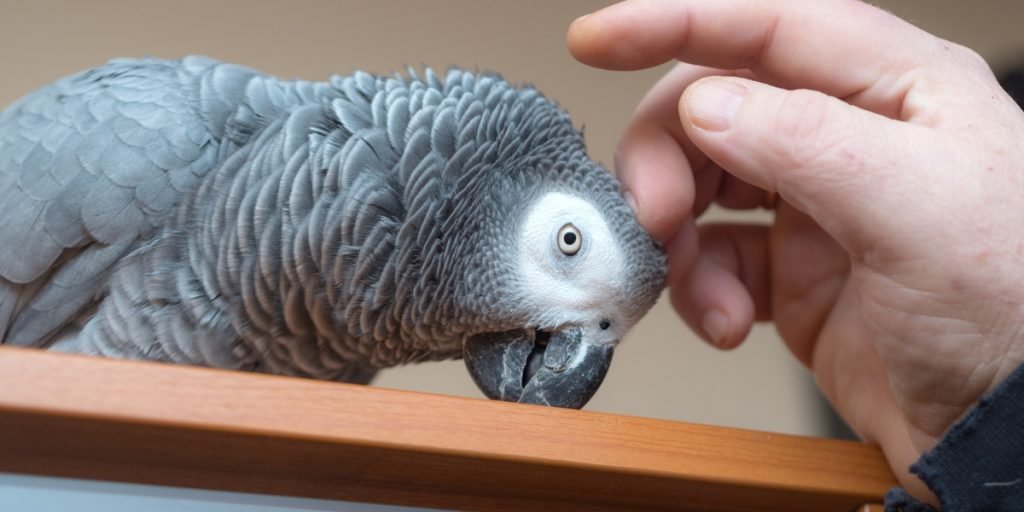

Birds are far more intelligent than most people realize. Over the years, I’ve discovered that they not only respond to voices and routines but also form genuine emotional connections. Many pet owners wonder if their feathered companions truly recognize them or if they simply react to familiar sounds and gestures. The truth is, birds can and do recognize their owners in ways that go beyond simple conditioning. Their ability to remember faces, voices, and emotional energy makes them remarkably perceptive animals capable of forming strong bonds with humans.
Recognition Through Sight
One of the most fascinating things about birds is their keen vision. Most birds have exceptional eyesight, often much sharper than that of humans. I’ve noticed that my bird reacts differently when I enter a room compared to when a stranger walks in. The head tilts, feathers perk up, and the eyes seem to brighten as if acknowledging my presence specifically.
Parrots, crows, and even pigeons are known to recognize faces with precision. Studies have shown that some bird species can remember human faces for years. I’ve seen how my parrot distinguishes between different family members. He greets me with a particular chirp but stays quiet around others until he grows familiar with them. This behavior isn’t random , it’s a form of visual memory tied to recognition and trust.
Even birds like finches and canaries, which are not considered as cognitively advanced as parrots, can still identify their owners over time. They may not mimic words, but they respond to visual cues, body language, and expressions. The more time I spend around my bird, the more responsive and relaxed it becomes in my presence, showing that recognition is indeed happening at a visual level.
Voice Recognition And Familiar Sounds
Birds have an incredible capacity for auditory memory. I’ve always found it amazing how my bird responds specifically to my voice, even if I’m in another room. He can ignore background noise, television sounds, or other voices, yet perk up the moment I speak.
Research supports this observation. Many birds, especially parrots, mimic voices and sounds they hear most often, showing that they not only recognize voices but also store them in memory. A bird that repeats your laughter or calls your name isn’t just mimicking for fun; it’s demonstrating recognition and emotional association.
Even non-talking birds like cockatiels or doves respond differently to familiar tones. My cockatiel chirps back enthusiastically when I use a certain phrase, but remains silent when others say it. It’s as if the bird connects that sound to me alone. This voice recognition helps strengthen the bond between bird and owner, creating a sense of comfort and familiarity that birds thrive on.
Emotional Connection And Bonding
Recognition in birds isn’t just about sight and sound; it’s emotional too. Birds are incredibly sensitive to energy, mood, and body language. I’ve noticed that my bird becomes more affectionate and talkative when I’m happy, but retreats or stays quiet if I’m stressed or upset. They pick up on emotional cues far better than most people realize.
Over time, a bird begins to associate its owner with safety and affection. This emotional bond deepens through daily interactions , gentle talking, hand-feeding, and play. The more consistent and positive the experiences, the stronger the recognition becomes. My parrot, for example, will only allow me to touch his head, even if he’s comfortable around other people. That level of trust doesn’t happen overnight; it develops from emotional familiarity that confirms I’m a trusted presence.
Some birds even show distress when separated from their favorite human. They may call out repeatedly, pluck feathers, or refuse to eat. These behaviors reveal just how much emotional recognition is tied to their overall well-being. A bird that feels bonded to its owner doesn’t just know who they are , it feels a deep attachment that resembles loyalty and love.
Behavioral Signs That Show Recognition
Over time, I’ve learned to interpret the many subtle ways birds show recognition. The signs differ depending on the bird’s personality and species, but some behaviors are common across many types.
One sign is how the bird reacts to your presence. If your bird becomes excited, fluffs its feathers, or starts vocalizing when you enter the room, that’s a clear indication it recognizes you. Birds that enjoy their owner’s company may also preen themselves more when they see them, as grooming is a comfort behavior.
Some birds go further by mimicking sounds or words associated with their owner. I’ve had birds that greet me every morning with a unique whistle or word. They never do this with anyone else, which makes it obvious that their behavior is selective and based on recognition.
Another clear indicator is physical comfort. A bird that willingly steps onto your hand or shoulder, nibbles gently, or lowers its head for scratches is showing deep trust. Birds are naturally cautious, so they only behave this way with people they recognize and feel safe around.
How Birds Build Recognition Over Time
Birds don’t instantly recognize new owners. The process takes time and patience. I’ve found that consistency plays a major role. Daily routines, repeated interactions, and a calm demeanor help a bird learn that you’re not a threat but a source of care and companionship.
At first, a new bird may seem distant or fearful. It may retreat, avoid eye contact, or hiss if approached too quickly. With patience, gentle talking, and regular feeding, the bird begins to link your presence with safety. Gradually, it starts associating your face and voice with comfort, leading to trust and eventual recognition.
Repetition also strengthens recognition. Birds remember patterns, so maintaining consistent feeding times, using familiar tones, and interacting at similar times each day helps the bird form clear associations. Once those patterns become part of its memory, recognition follows naturally.
Species Differences In Recognition
Not all birds recognize their owners in the same way. Parrots are well-known for their intelligence and emotional depth, so they often develop strong attachments. African Greys, Amazons, and Cockatoos can remember specific people even after long absences. I’ve seen parrots that haven’t seen their owners for months immediately resume familiar behaviors upon reunion , proof that their memory is long-lasting.
Smaller birds, like budgies and cockatiels, may not demonstrate recognition as dramatically, but they still bond closely. A budgie might chirp excitedly when it hears your voice or hop around the cage when you approach. Doves and finches, though less interactive, still respond positively to their caretaker’s presence and routines.
Crows and ravens, though not common pets, are incredibly intelligent. They can distinguish individual human faces and even remember acts of kindness or threat for years. Their recognition isn’t just associative but emotional and evaluative, much like that of higher mammals.
The Role Of Routine And Consistency
Routine is essential in helping birds recognize and feel secure with their owners. Birds thrive on predictability. Inconsistent behavior or sudden changes in routine can make them anxious and disrupt their trust.
I try to feed, talk, and interact with my bird around the same times each day. Even the sound of footsteps or the jingling of keys can become familiar cues that signal my arrival. Over time, the bird starts to anticipate my presence and reacts warmly when I appear.
Consistency in tone and behavior also helps. Birds are sensitive to emotional energy, so staying calm and gentle encourages positive associations. If interactions are rushed or aggressive, the bird may develop fear instead of recognition. The key is to build a stable environment where recognition can grow naturally.
Visual And Auditory Memory In Birds
One of the reasons birds can recognize their owners so effectively is their advanced memory systems. Birds have excellent long-term memory, which helps them remember both visual and auditory details. I’ve seen my parrot recall not only my face but even specific items I wear, like a hat or watch.
Auditory memory is equally strong. Birds can differentiate between tones of voice, emotional inflections, and even the way certain words are pronounced. This allows them to form specific memories tied to their owner’s speech patterns. I once noticed that my bird responded differently to me calling its name in a playful tone versus a serious one. The way it adjusted its response proved that it understood emotional context, not just sound.
The Role Of Positive Reinforcement
Recognition deepens through positive reinforcement. Birds remember how interactions make them feel. When I reward my bird with treats, praise, or affection after a pleasant encounter, it strengthens our bond. These moments create a memory that links me to safety and happiness.
Even simple acts like gentle talking or offering favorite snacks help. Over time, the bird associates me with comfort and positive energy. This emotional memory becomes so strong that it can override fear or hesitation in new situations. Birds that are treated kindly by their owners tend to be more affectionate and responsive, showing just how much recognition is tied to emotional reward.
Misinterpretations Of Recognition
Some people believe their bird doesn’t recognize them because it bites or screams occasionally. I’ve learned that these behaviors don’t necessarily mean the bird doesn’t know you. Birds, like people, have moods and may act out from fear, stress, or hormonal changes. Recognition doesn’t always mean constant affection; it means familiarity and awareness.
A bird that bites may still prefer you over others. In fact, territorial or hormonal aggression often happens because the bird recognizes its owner as part of its flock. The key is to interpret behavior carefully rather than assume the bird doesn’t remember you. Recognition in birds is complex and layered, blending familiarity with emotion and instinct.
How Long Birds Remember Their Owners
Memory retention in birds varies by species, but many can remember their owners for years. Parrots are especially remarkable in this regard. I’ve heard stories of parrots greeting their previous owners with joy after years apart, recognizing their voices instantly.
Even smaller birds maintain long-term associations. My budgie once recognized me after months away, responding to my voice before even seeing me. This shows that recognition isn’t fleeting but rooted deeply in their memory systems. Consistent interaction, trust, and affection can create a lasting imprint that birds never truly forget.
Strengthening The Bond With Your Bird
Recognition grows stronger through shared experiences. Spending time with your bird daily, speaking softly, and offering gentle touch helps build trust. I often play music softly while interacting with my bird or let it perch near me as I read or work. These simple habits reinforce familiarity and comfort.
Hand-feeding also plays a role in deepening recognition. When a bird accepts food directly from your hand, it’s an act of trust that solidifies your place in its world. Birds view feeding as a bonding ritual, and consistent, gentle interactions during feeding strengthen emotional ties.
Conclusion
Birds are capable of far more than mechanical responses to stimuli. They recognize their owners through sight, sound, and emotional connection. Their memories are long, their observations sharp, and their ability to bond deeply is undeniable.
Through consistent care, patience, and affection, I’ve seen firsthand how birds not only recognize but also genuinely love their human companions. They greet us with enthusiasm, respond to our voices, and mirror our moods , all signs of awareness and connection.
Recognizing an owner isn’t just about identification for a bird; it’s about trust, emotion, and familiarity. The more effort we put into nurturing that bond, the more profound the recognition becomes. It’s a reminder that birds, though small and fragile, possess hearts and minds capable of forming connections as meaningful as any pet we could ever hope to love.